
America’s immigration policy is driving away future AI leaders
Rest of World Lex Zhao
Opinion — commentary, not a factual news event.
Trump wants new fees on student work visas. That could push AI talent out of the U.S. just as other countries are courting it.
Based on reporting by Rest of World, Lex Zhao — read the original for the full story.
Summary, retelling and take written by AI under human oversight; images are AI-generated illustrations. How we work · Report an error
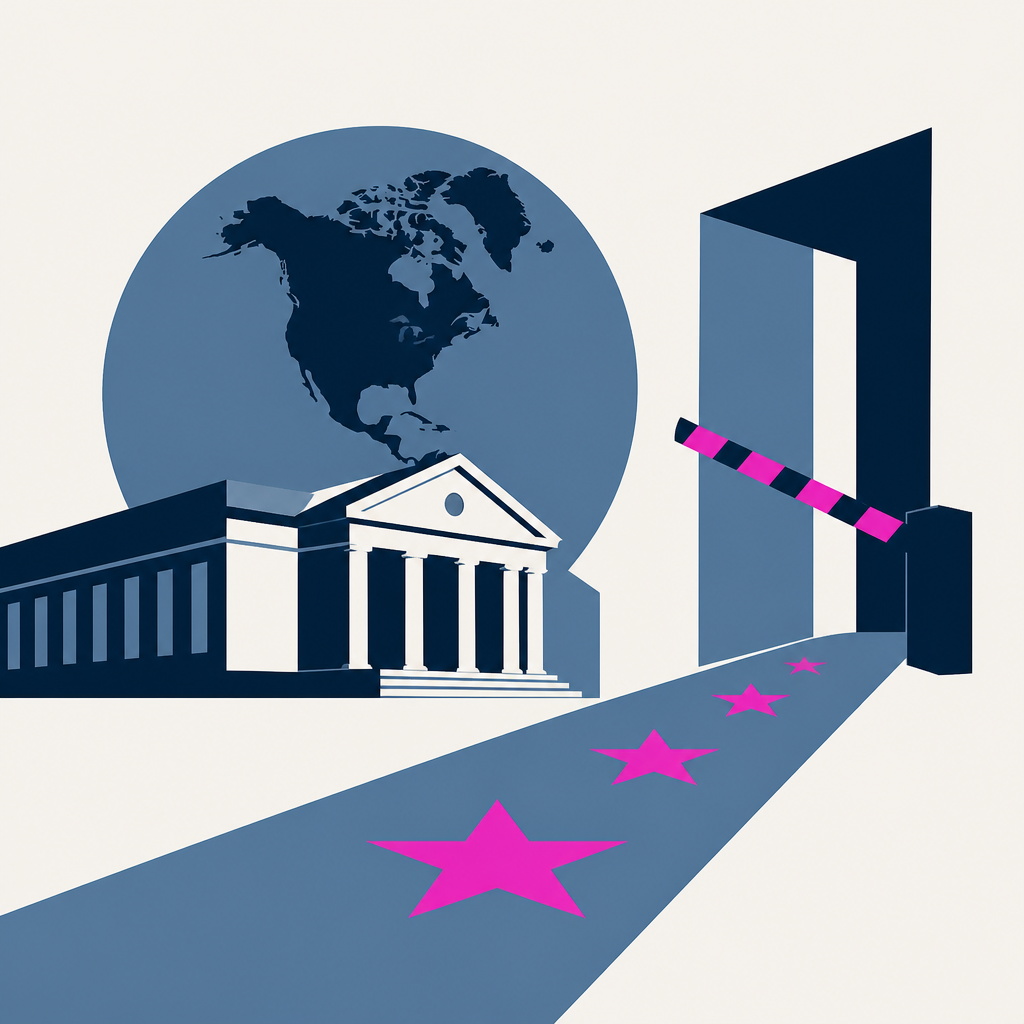
The Trump administration is moving to make the U.S. more expensive and less welcoming for international students and graduates. It has proposed a new fee for H-1B visas and is weighing a $100,000 charge on Optional Practical Training, the post-degree program that lets foreign graduates work in the U.S. for one to three years. About 419,000 people were on OPT in 2024.
That matters because OPT is often the thing that makes an American degree feel like a real path, not just a diploma with a plane ticket home attached. The article points to Yang Zhilin as the kind of person the U.S. keeps talking about losing. He studied at Carnegie Mellon, interned at Google and Meta, got an offer from Apple, and still went back to China to start Moonshot AI, whose Kimi K3 open model has been compared with work from OpenAI and Anthropic.
The old logic was simple: bring in smart people, let them work for a giant for a few years, then maybe they stay and build something. But the piece argues that AI has broken that bargain. Founders are starting companies in their mid-20s, sometimes before finishing a Ph.D., and more than two-thirds of the people able to build a frontier AI company are foreign. Waiting five years for a green card is not exactly a founder-friendly product roadmap.
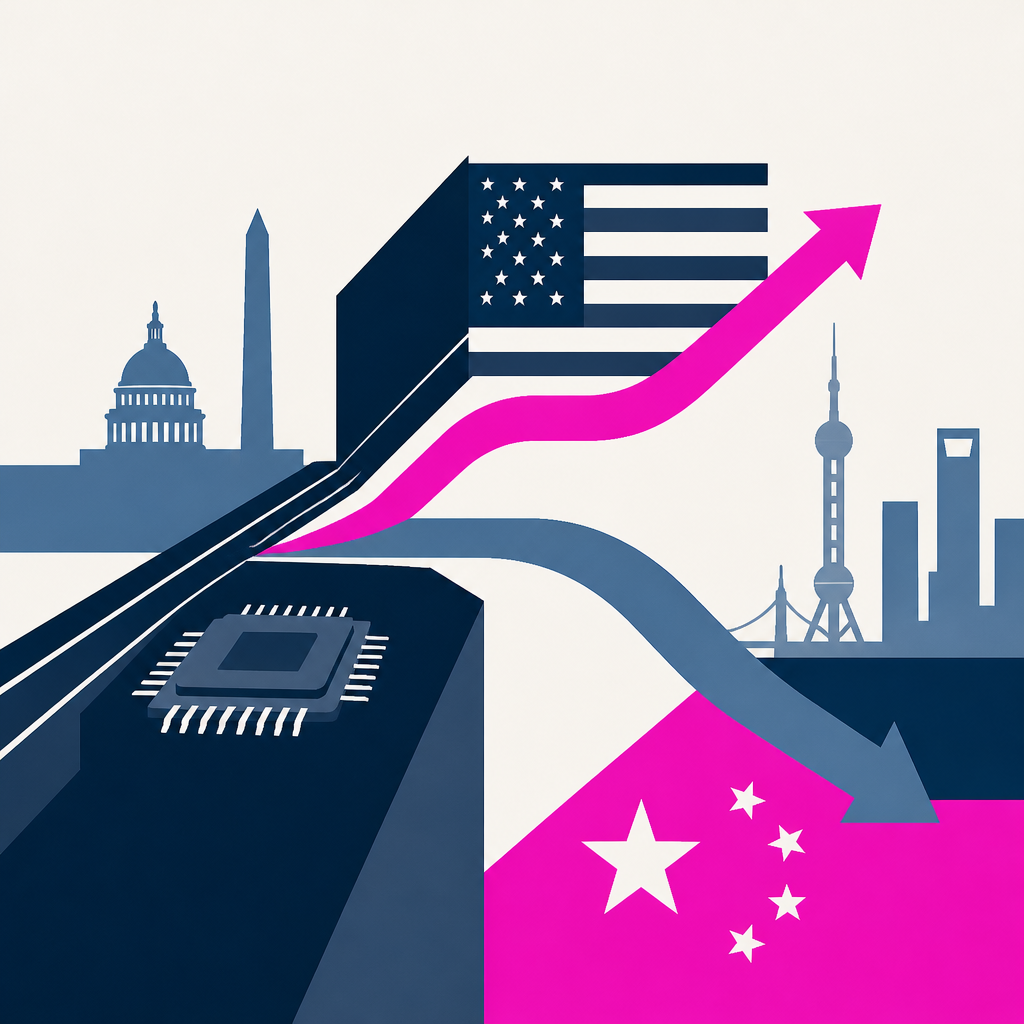
The U.S. is also squeezing other parts of the pipeline. The window for students to stay after graduation has been cut from 60 days to 30, officials have floated restricting foreign lab employees from frontier-model access, and the administration is still trying to end birthright citizenship. Meanwhile, Canada, Australia, France, and China are all actively trying to pull researchers in. Canada’s new program for U.S. H-1B holders filled up in a day.
There is a bigger warning here than one visa fee. Immigrants have won 40% of the Nobel Prizes in chemistry, medicine, and physics earned by Americans since 2000, according to the National Foundation for American Policy. If the U.S. keeps making the front door narrower while other countries throw the welcome mat over the fence, the talent will do what talent always does: leave.
My take — AI-written commentary, not fact-checked reporting
This is the kind of self-sabotage that looks cheap in a press release and expensive everywhere else. The U.S. keeps talking about beating China in AI while making it harder for the people who actually build the field to stay. Borders don’t stop ideas; they just decide where the next lab gets opened.
Read more about this at: Rest of World
Related stories
 The U.S. built its brand by attracting the world’s best and brightest. It must not lose that advantage
Fortune ·
37
Trump administration’s AI crackdown opens door for China to close gap
CSET Georgetown · 3 months ago ·
46
The U.S. built its brand by attracting the world’s best and brightest. It must not lose that advantage
Fortune ·
37
Trump administration’s AI crackdown opens door for China to close gap
CSET Georgetown · 3 months ago ·
46
 How America’s Dizzying AI Strategy Plays Into China’s Hands
CSET Georgetown · 2 months ago ·
25
How America’s Dizzying AI Strategy Plays Into China’s Hands
CSET Georgetown · 2 months ago ·
25