The U.S. built its brand by attracting the world’s best and brightest. It must not lose that advantage
Fortune John A. Quelch
Opinion — commentary, not a factual news event.
Global opinion of the US is sliding, per new Pew and Gallup polls. Meanwhile, new international student enrollment fell 17%, threatening America's talent edge.
Based on reporting by Fortune, John A. Quelch — read the original for the full story.
Summary, retelling and take written by AI under human oversight; images are AI-generated illustrations. How we work · Report an error
Brand equity, the old CEOs like to say, is the asset that never shows up on a balance sheet until you lose it. Nations work the same way, and as the United States hits its 250th birthday, the harder question isn't whether it's still powerful, it's whether the habits that made it powerful are still intact.
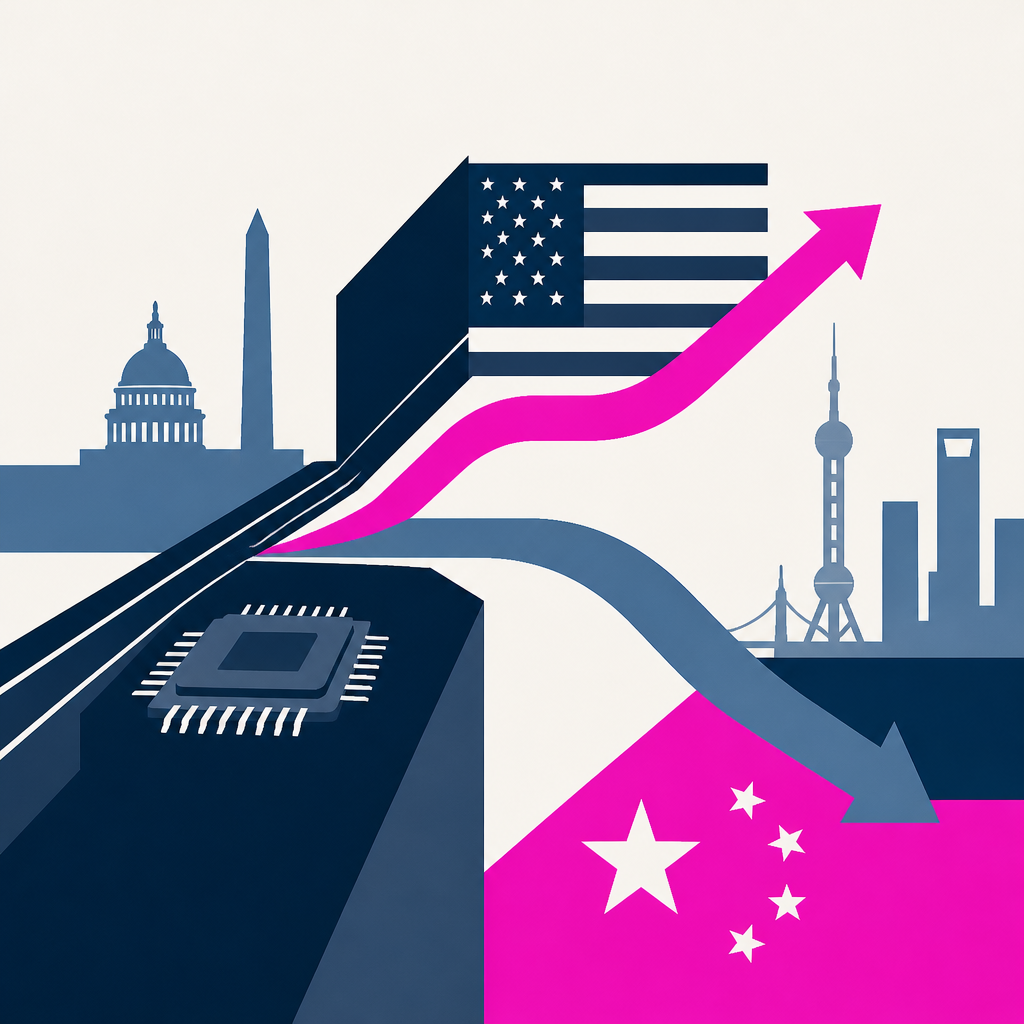
The polling numbers are not flattering. Pew Research Center surveyed 36 countries in 2026 and found a median of just 37% held a favorable view of the U.S., against 57% unfavorable, with China rated more positively than America in most of those countries. Gallup found something similar in leadership approval: the U.S. dropped from 39% in 2024 to 31% in 2025, while China climbed from 32% to 36% over the same stretch. Among NATO allies specifically, approval of U.S. leadership fell 14 points to just 21%.
But the deeper story isn't about likability, it's about magnetism. America's real edge was never sheer size, it was the pull of world-class universities, deep capital markets, and research institutions that drew in talent and let it build things. Sergey Brin arrived as a child from the Soviet Union and cofounded Google. This year, Hong Wang and Yu Deng, who earned their doctorates at MIT and Princeton, won Fields Medals and now teach at American universities. NAFSA puts a number on what that pull is worth: international students added $43.8 billion to the U.S. economy and supported almost 380,000 jobs in the 2023–2024 academic year. The National Foundation for American Policy found that almost a quarter of all billion-dollar U.S. startups had a founder who first arrived as an international student, and nearly 60% had an immigrant founder.
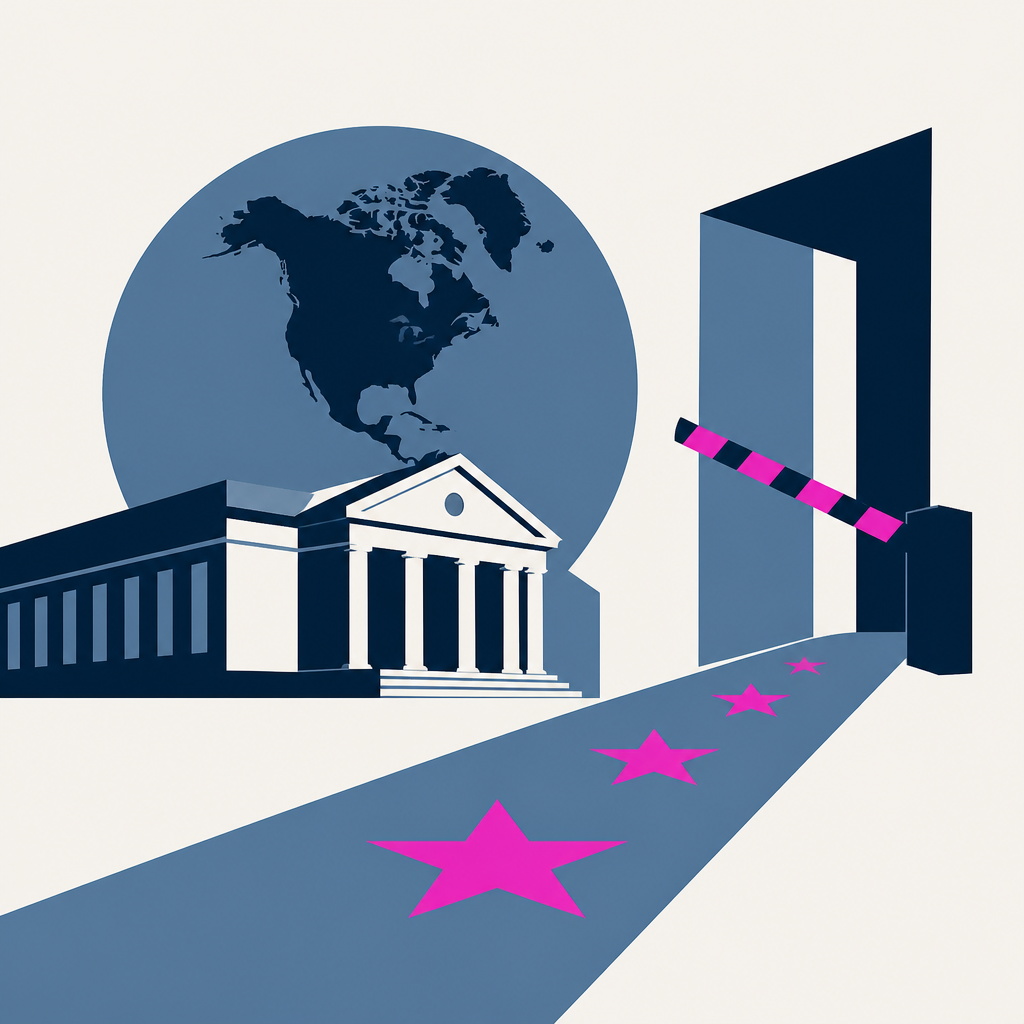
And that's exactly the machinery current policy is straining. Expanded visa vetting, restrictions tied to certain countries, heavier scrutiny of university funding and research partnerships, and shaky federal research budgets are making the calculus less appealing for the students and researchers America used to win by default. New international student enrollment at U.S. colleges dropped 17% in fall 2025, according to the Institute of International Education. These moves may come from legitimate security or fiscal worries, but they carry a cost that doesn't show up right away.
Competition with China complicates the picture without making broad closure the right answer. Some technology genuinely needs protecting, some research ties deserve scrutiny, some investment should be restricted. But scientific problems like pandemics, climate change, and energy security don't respect borders, and shutting out collaboration means giving up the ability to shape global research agendas rather than just react to them. The fix isn't picking between security and openness, it's building policy precise enough to hold both at once, targeted controls paired with real, sustained recruitment of the world's best people.
Companies that feel competitive heat don't respond by making themselves less appealing to talent, they double down on culture and opportunity. If the U.S. wants students and researchers choosing Boston or Austin over Beijing, London, or Singapore, it needs to act like an employer trying to win, not a gatekeeper trying to screen everyone out.
My take — AI-written commentary, not fact-checked reporting
A country that built a quarter of its billion-dollar startups on the backs of international students doesn't get to tighten the visa pipeline and then act shocked when enrollment craters 17%. That's not caution, that's self-sabotage dressed up as vigilance. Real confidence looks like setting narrow, sensible boundaries around what actually needs protecting while still fighting hard for the talent everyone else wants too, and right now the instinct on display looks a lot more like anxiety than strength. Beijing, London, and Singapore are not going to sit around waiting for Washington to figure out whether it still believes in its own pitch.
Read more about this at: Fortune