The biggest thread today is size with intent: Reflection AI’s open-source Beam, a 501B-parameter large language model, is arriving with unusually crisp details for a rollout that still promises more. Beam Base was trained on 23.8 trillion tokens pulled from public web and commercial sources. Reflection AI says early access is live now, with model weights, documentation, and fine-tuning tools slated for later this month—an acknowledgment that “open” is only as useful as what practitioners can actually run, modify, and measure.
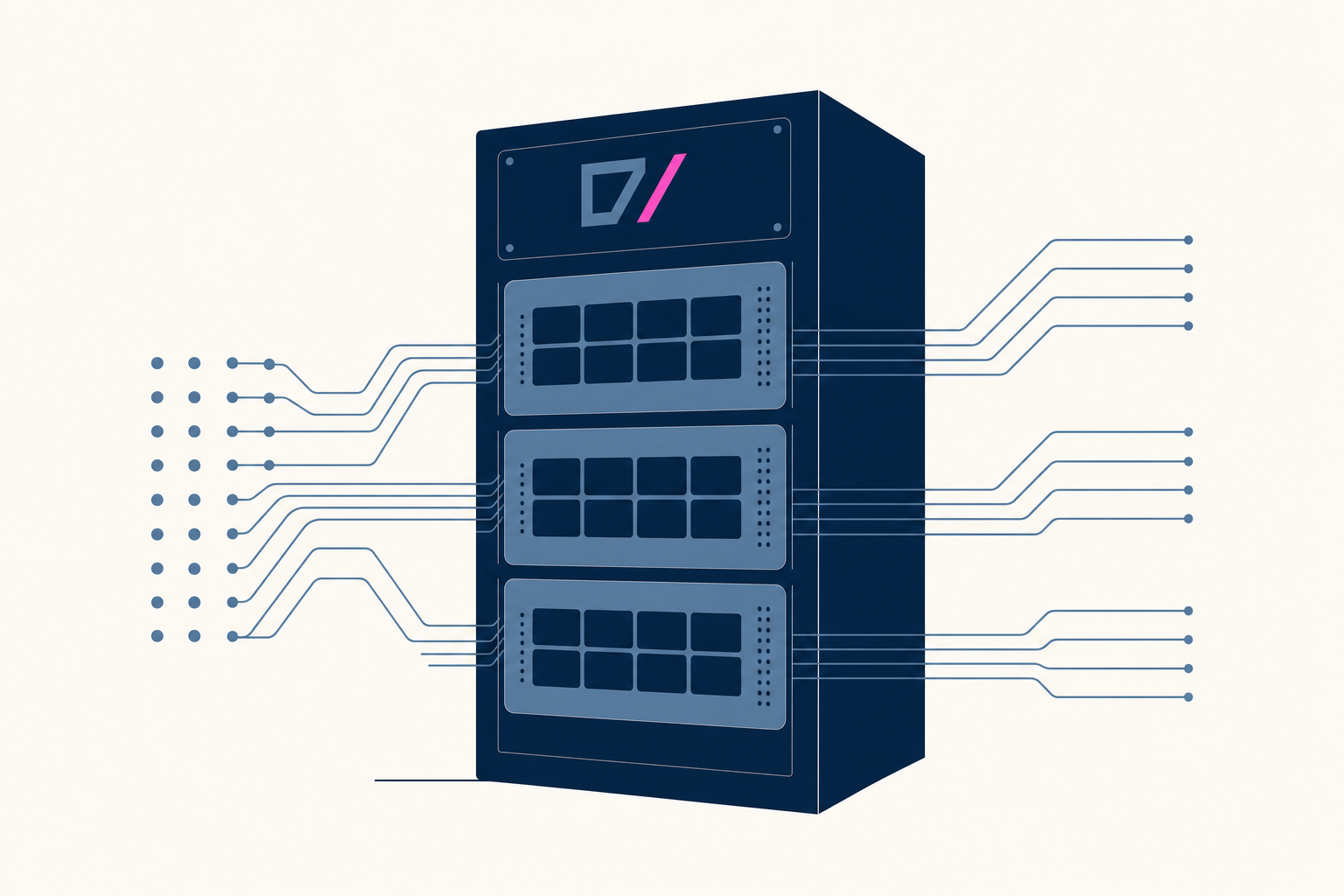
That push toward usable access is landing in the same moment as Ghost’s push toward usable locality. Ghost raised $11M for its Core hardware, a continuously running personal AI agent device designed to keep the “brain in a box” on-device. Its first batch sold out at $3,499 each, suggesting demand for agents that don’t have to negotiate every thought through the cloud.
Taken together, Beam and Core map a practical divide in where AI power should live: big models get easier to inspect and customize, while agent hardware aims to make daily interaction reliable and always-on. More transparency in the model stack; more control in the deployment stack—both, in their own ways, about turning demos into daily utilities.