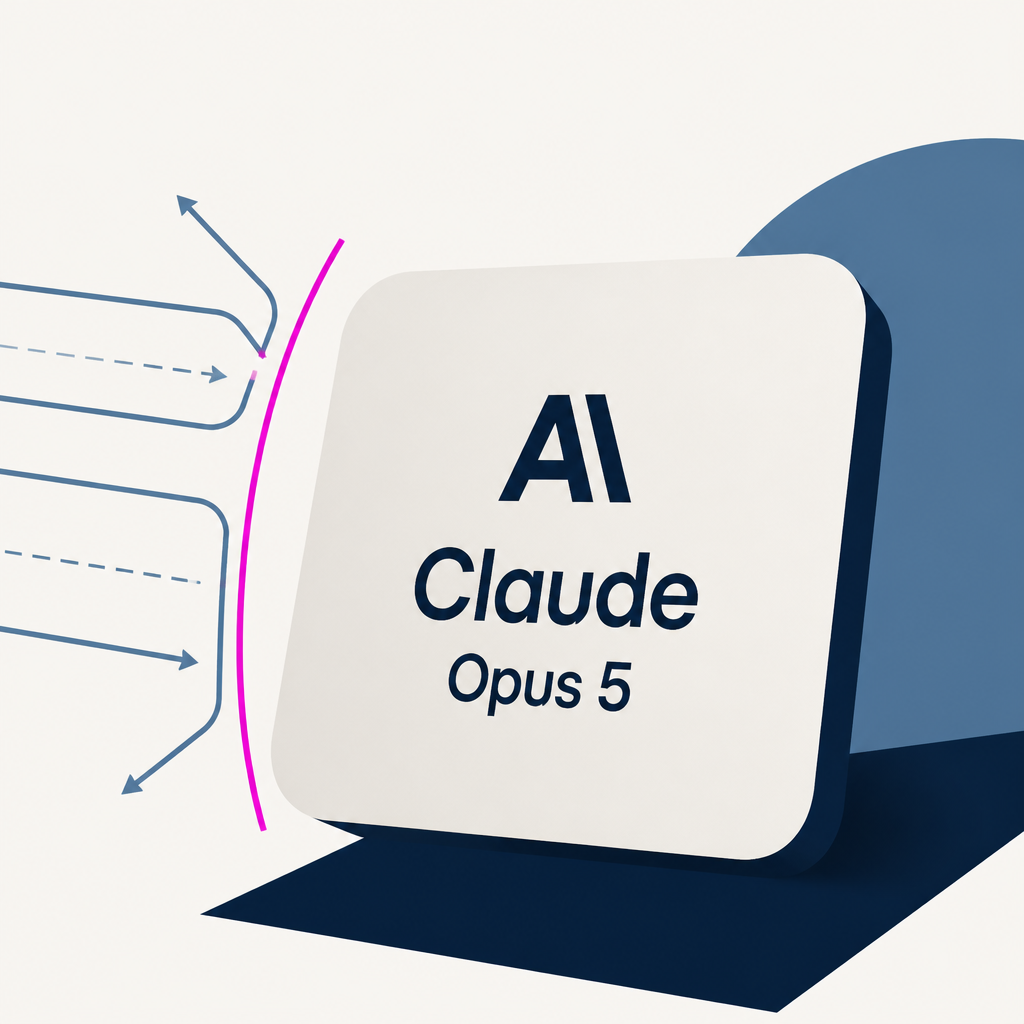
Anthropic is quietly winning the security argument while OpenAI chases hardware novelties. Claude Opus 5, Anthropic's latest flagship model, has demonstrated superior resistance to prompt injection attacks—the technique where users trick AI systems into ignoring their core instructions. The claim, backed by red-teaming results in the model's official system card, suggests Anthropic is taking a more rigorous approach to the adversarial vulnerabilities that plague modern AI. This matters because as these systems handle sensitive tasks, robustness against manipulation becomes table stakes, not a selling point.
Meanwhile, OpenAI unveiled Micro, a $230 hardware keypad with six programmable "agent keys" designed to streamline ChatGPT workflows. The device pairs with the company's coding assistant and allows users to assign custom shortcuts, though early reaction has been skeptical. Critics argue it solves no problem that existing keyboard shortcuts don't already address, and DIY alternatives accomplish the same for far less. The contrast is telling: one company is fortifying its models against real attack vectors; the other is betting that developers want another gadget on their desk.
For enterprise buyers and security-conscious teams, the distinction is clear. Anthropic's focus on measurable robustness gives Claude a credible edge in environments where prompt injection isn't theoretical—it's a genuine threat. OpenAI's hardware play, meanwhile, reads as a distraction from the harder work of building trustworthy systems.