
IEEE Spectrum AI
·
1 month ago
Researchers developed an acoustic synapse using sound waves and phase bits to create neuromorphic hardware that mimics biological neurons more closely than electronic alternatives. The device achieved 96.7 percent accuracy on iris flower classification using 39 parameters and 20 percent faster than conventional neural networks while consuming one-tenth the power of current electronic neuromorphic hardware. This approach enables more compact and energy-efficient neuromorphic systems capable of mimicking neuromodulation and handling complex pattern recognition tasks with simpler designs.
ChinaTalk
·
1 month ago
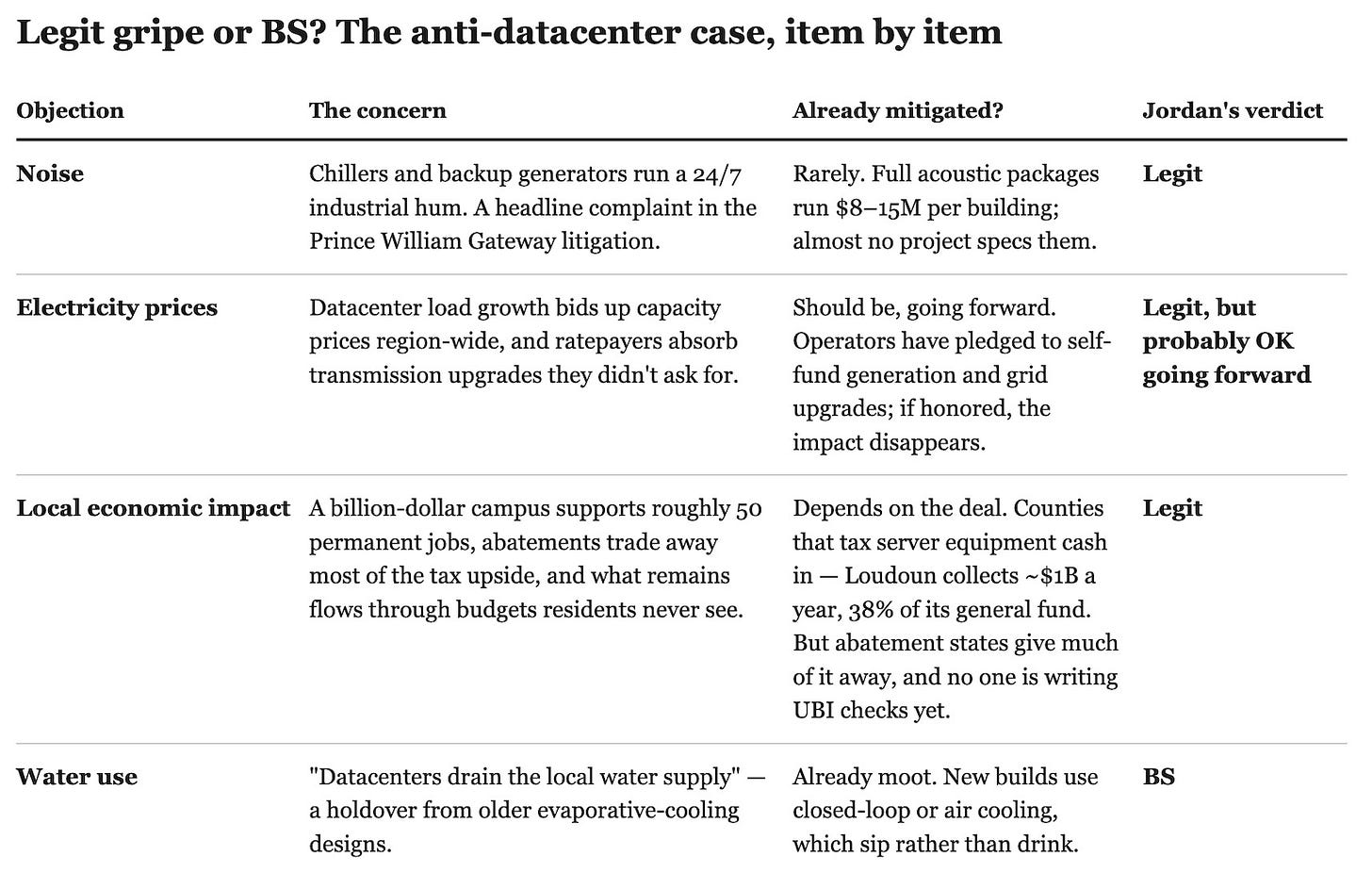
The article argues that while China has conducted influence operations against U.S. datacenters, blaming foreign propaganda for community opposition is misleading and ignores legitimate local concerns that can be addressed through financial incentives. Major AI companies like Microsoft, Google, Amazon, and Meta plan to spend $725 billion on capex in 2026, with $500 billion domestically, giving them substantial resources to compensate communities. The author proposes datacenter operators could resolve resistance by offering annual payments to residents (such as $10,000 per person for 3.8% of revenue), investing in local schools, or building community amenities like pickleball courts, rather than the token $10 million commitment OpenAI announced for Stargate.
