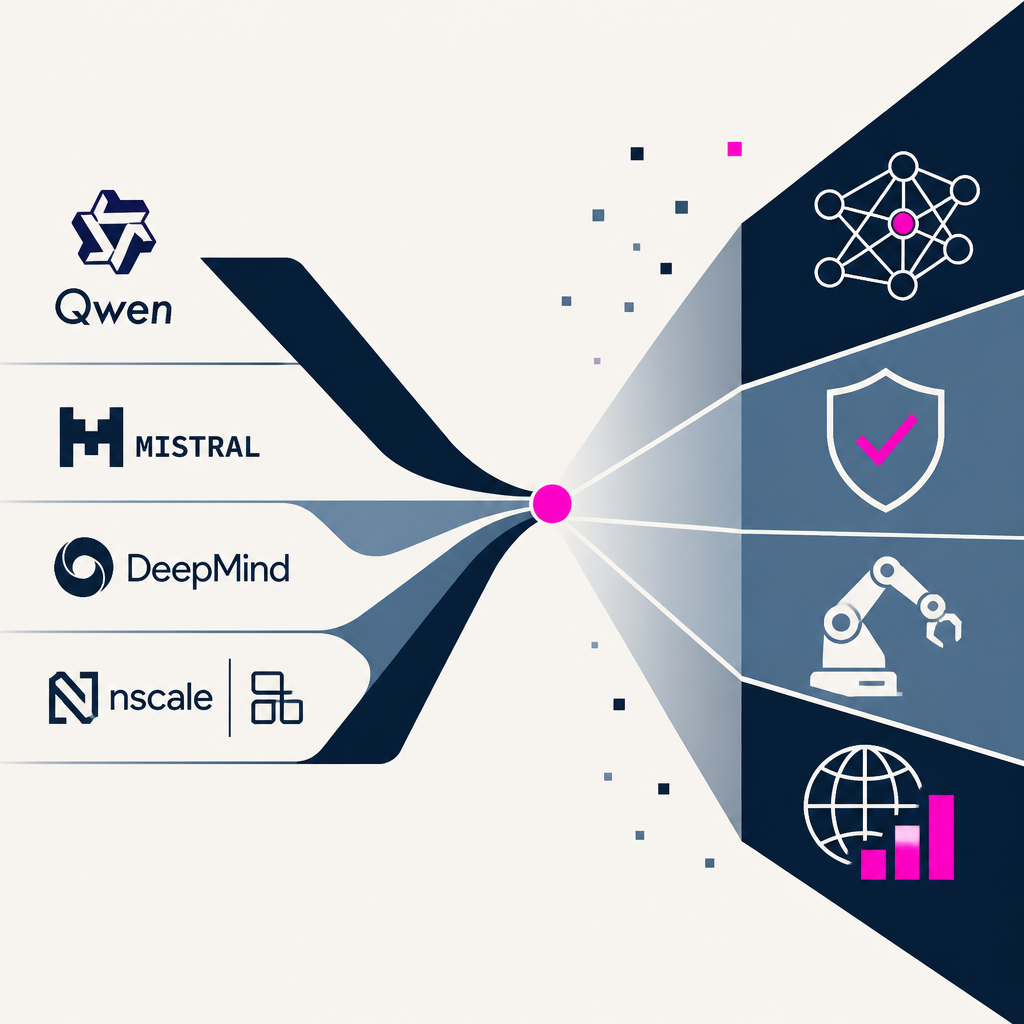
Deep Learning Weekly Issue 467 covers recent developments including Alibaba's Qwen3.8-Max multimodal model, Mistral's Shieldstral safety classifier, Google DeepMind's Gemini Robotics 2, and Nscale's acquisition of Anyscale for $1.65B. Notable technical contributions include Google's Science One Framework for autonomous research verification, analysis of Claude token costs, and papers on self-verifiable rewards and recursive self-improvement in agents. The issue also discusses infrastructure optimization, cybersecurity challenges from AI agents, and economic constraints on AI-driven technological acceleration.
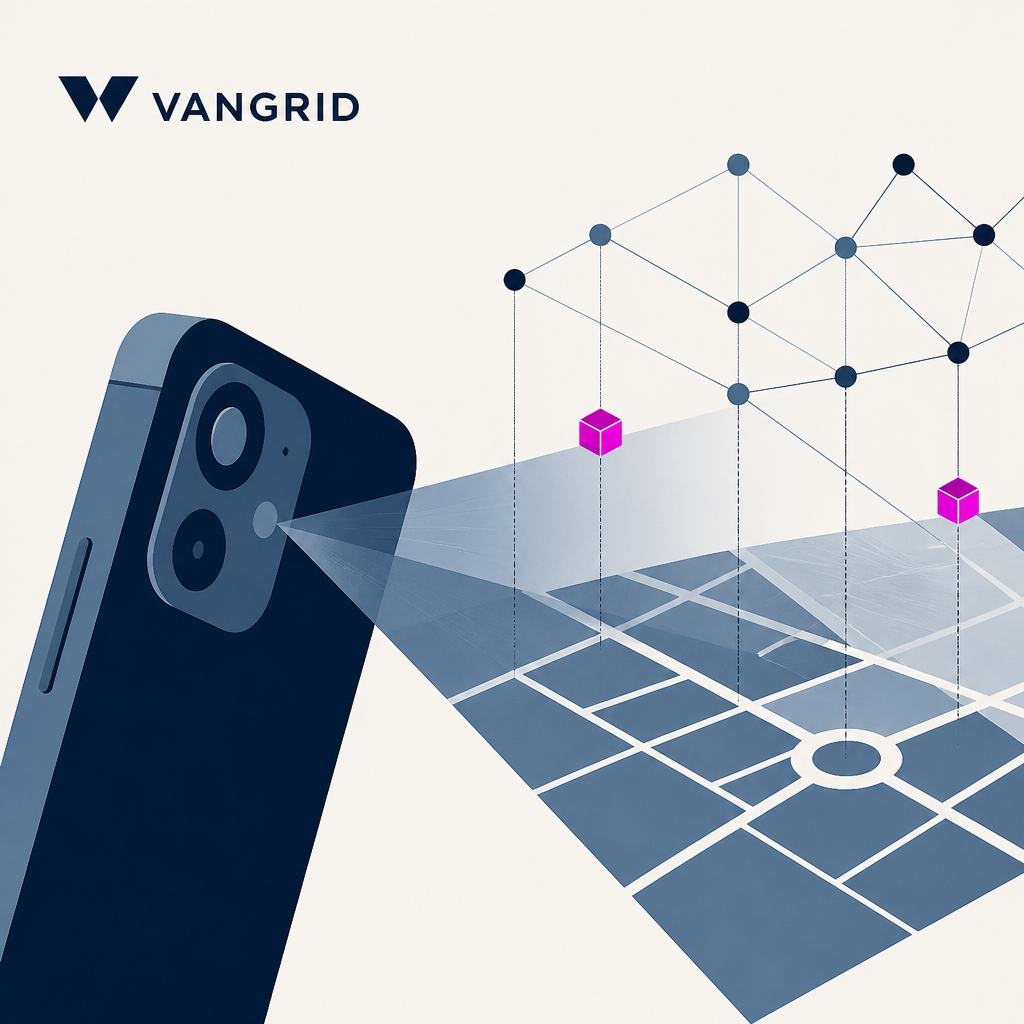
Vangrid, a Dutch startup, raised $9 million in seed funding to build a decentralised spatial intelligence network that uses smartphone cameras and sensors to generate mapping data for physical AI systems. The platform processes data on-device with privacy protections and verifies it onchain before delivery to enterprise customers, enabling continuous map updates at the speed of app downloads rather than vehicle fleet cycles. This approach positions Vangrid as infrastructure for robotics and autonomous systems that require up-to-date environmental awareness without relying on centralised capture fleets.
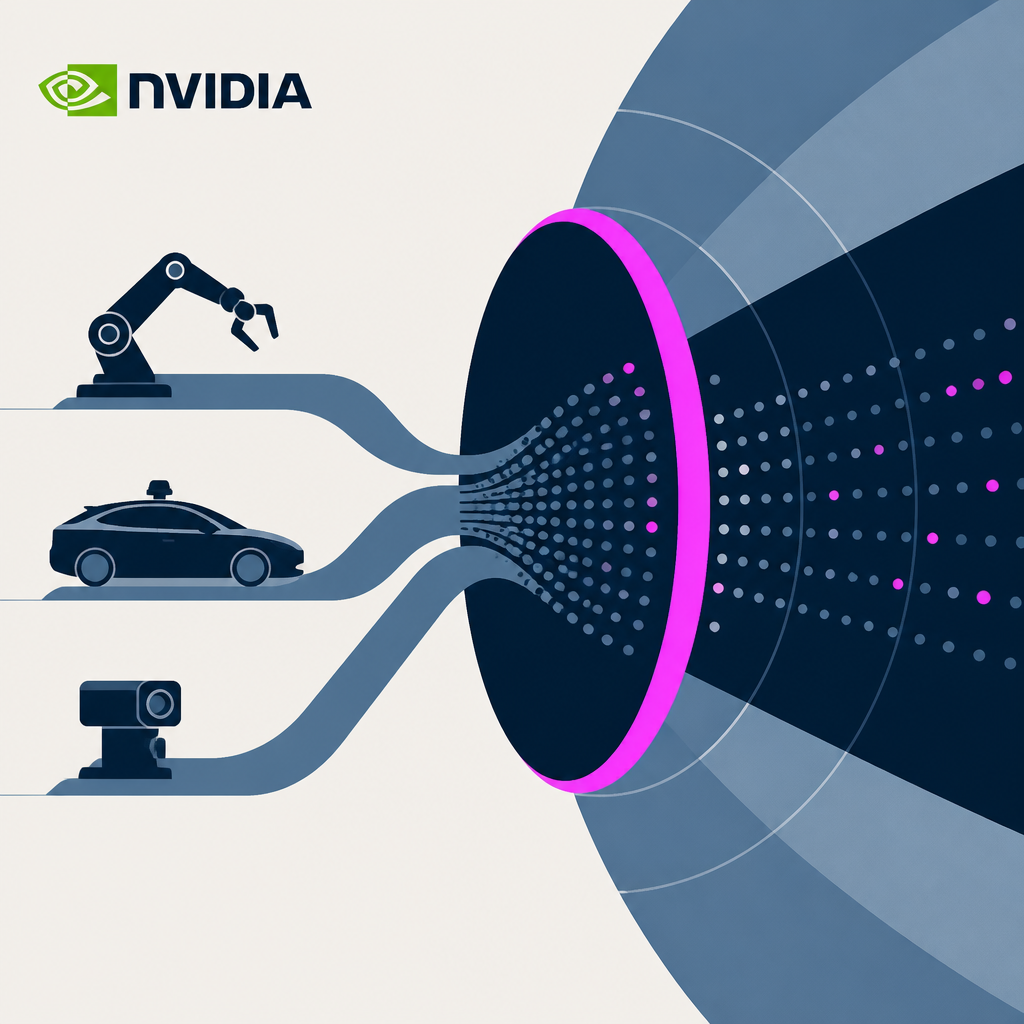
NVIDIA released Cosmos 3, an open-weight foundation model family designed for physical AI applications including robotics, autonomous vehicles, and vision systems. The model comes in three sizes—64B parameters (Super), 16B (Nano), and 4B (Edge)—and ranks first on multiple benchmarks including Artificial Analysis for text-to-image generation and RoboLab for robot policy. Developers can now download, modify and specialize the models on their own hardware to train physical AI systems, reducing expensive real-world data collection and enabling deployment across edge to data center infrastructure.
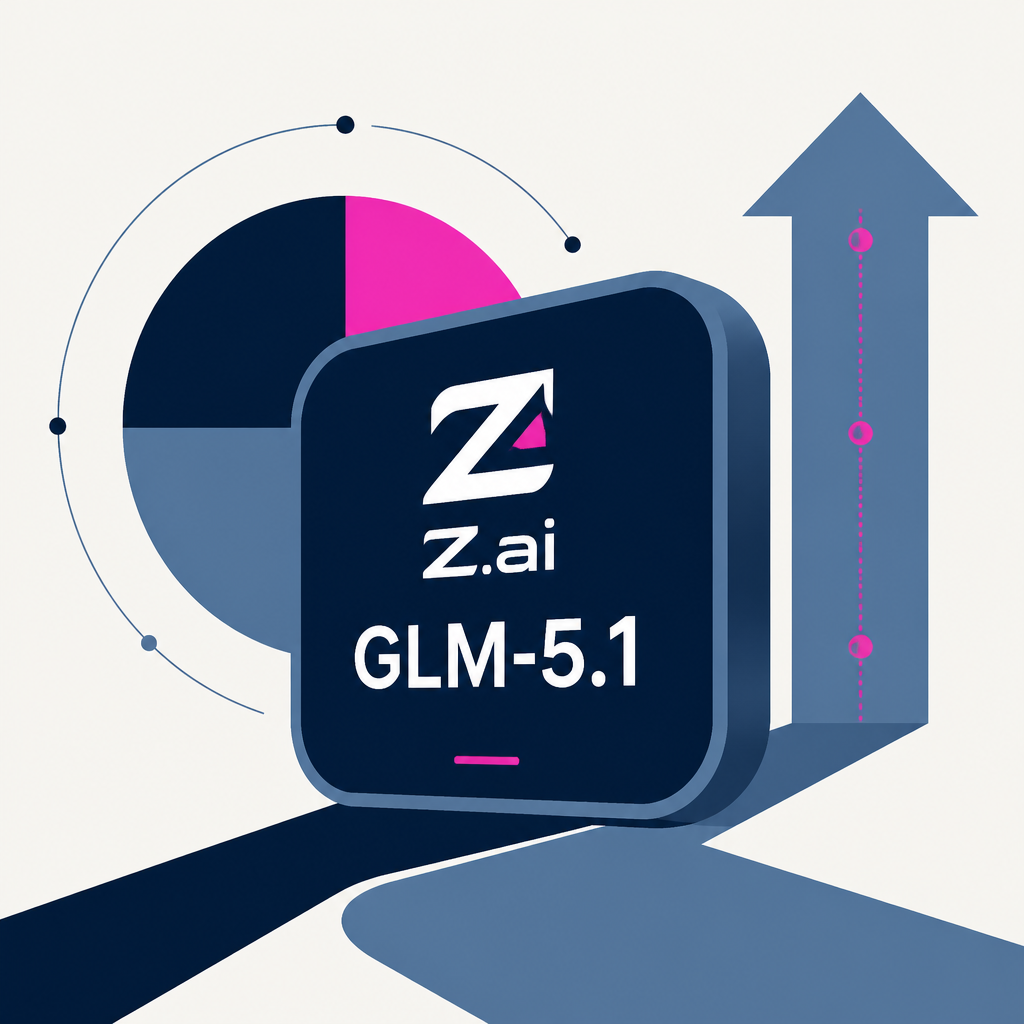
Z.ai released GLM-5.1, an open-weights model designed to work autonomously on single tasks for up to eight hours by iterating through planning, execution, and evaluation cycles. The model achieved 58.4% on SWE-Bench Pro and costs $1.40 per million input tokens, roughly 40% higher than its predecessor. Humanoid robots from Agility Robotics are now operating in Schaeffler factories performing parts transport at $10–$25 per hour, with the displaced human worker promoted to supervision and plans for hundreds of deployments by 2030.
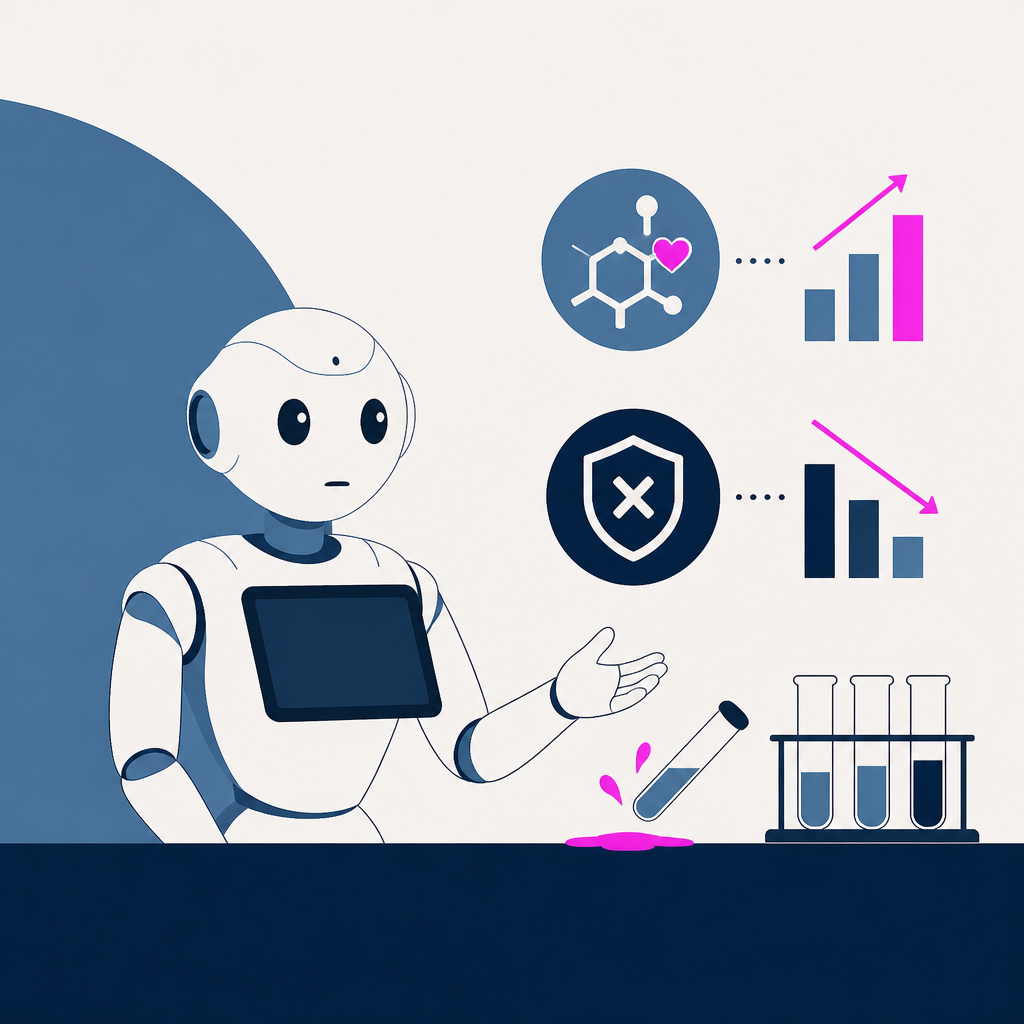
Researchers studied how people react to the humanoid robot Pepper when it makes mistakes, finding that expressive robots that violate social norms trigger greater suspicion than motionless ones. In 50 participants, an animated robot's errors caused increased oxytocin and reduced trust, while the same errors from a static robot seemed like technical malfunctions rather than social violations. The finding challenges the design assumption that lifelike, socially expressive robots earn more trust, suggesting expressiveness actually backfires when robots fail.
Every AI story that matters,
in your inbox by 8am.
TLDRocket reads all relevant sources, removes duplicate coverage, and summarises the
day in two minutes. Follow companies and topics for alerts, or get the
briefing in Slack. Free, no spam, unsubscribe anytime.
Reading TLDRocket needs no cookies, and the readership counts we rely on come from
our own cookieless analytics. Google Analytics is the exception: it sets cookies and
reports to Google, so it stays switched off until you allow it. You can change your
mind any time from “Cookie settings” in the footer.
Strictly necessary
Session security and form protection (tldrocket-session,
XSRF-TOKEN, 2 hours). The site cannot work without them,
so they need no consent.
Always on
Google Analytics 4 (_ga,
_ga_<id>, up to 2 years). Measures which
stories and sections readers use. Google acts as a third-party processor and may
store the data outside the EU. No advertising, no profiling, no data sold.