Xiaomi released MiMo-V2.6, a trillion-parameter open-weight multimodal model, alongside a public record of its reinforcement-learning (RL) training runs. The RL run dashboard showed costs of $854,044 for MiMo-V2.6-Flash and $2,620,670 for MiMo-V2.6-Pro over a five-day period starting September 15. As a result, the model weights plus planned RL training environments and an end-to-end training framework are positioned to let other researchers inspect and build on the post-training process, not just download the weights.
OpenCode, an open-source terminal-native AI coding agent, was set up to run with open weight models via Amazon Bedrock so inference stays in an AWS account. The setup supports three specific models on Bedrock, including Moonshot AI Kimi K3 with a 1M-token context window. As a result, developers can switch models per coding task without per-seat fees or sending proprietary data to third-party APIs.
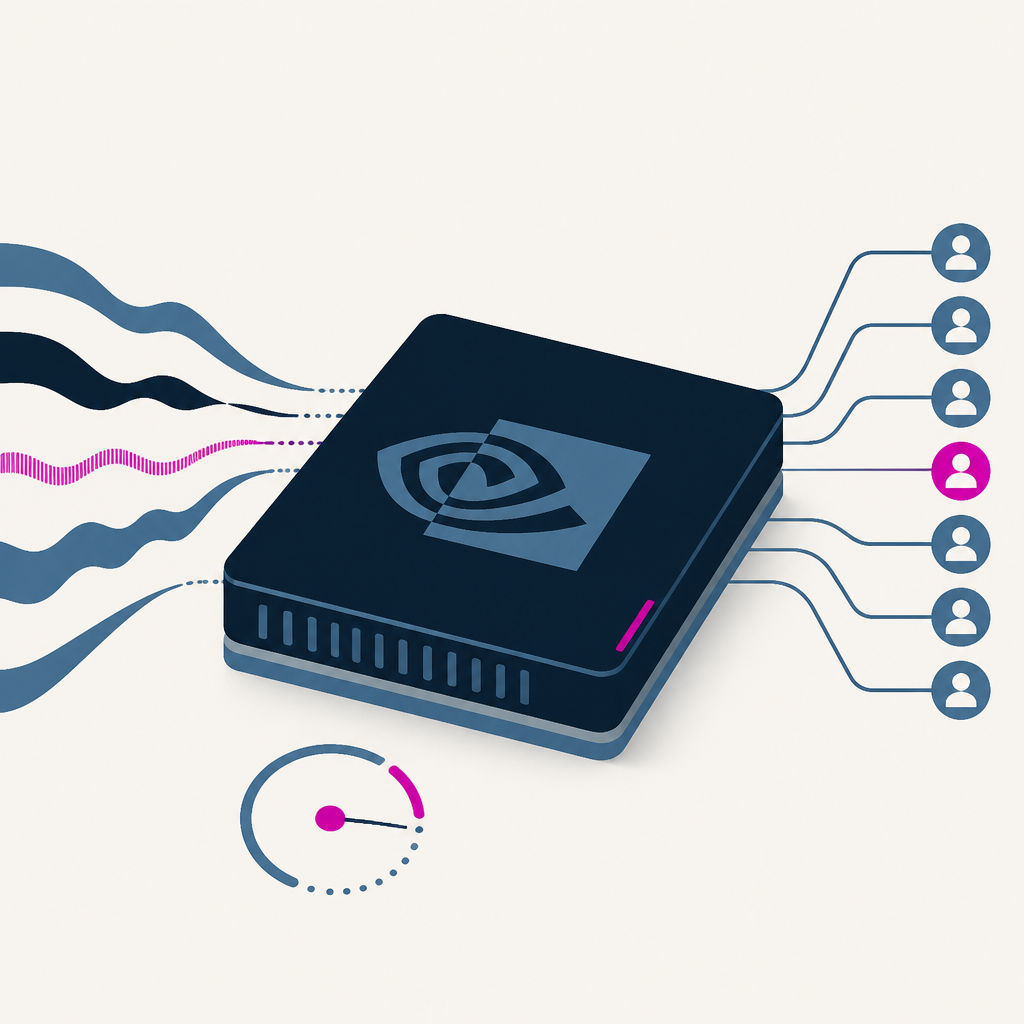
NVIDIA released Nemotron 3 Diarization, an open-weight speaker diarization model on Hugging Face for attributing who spoke when in conversations. It tracks up to 8 speakers with one checkpoint spanning offline to real-time streaming, including a recommended 0.32 s buffer latency. Compared with its prior 4-speaker Streaming Sortformer, the diarization capacity doubles and benchmarks report a 14.72% DER (and about a 41.0% mean relative DER reduction at 1.04 s) along with higher throughput.
NVIDIA released Nemotron 3 Diarization, a single open-weight 100M-parameter model for real-time and offline multi-speaker diarization, including overlapping speech and up to eight speakers. It achieved a 14.72% diarization error rate (DER) on VoiceArena’s Diarization-Bench v1, beating the next-ranked system’s 19.3%. The model expands streaming diarization capacity from four speakers to eight and adds lower-latency operating points while improving DER across benchmark conditions.
Xiaomi released MiMo-V2.6 Pro as an MIT-licensed open-weight model aimed at multimodal, coding, and multi-agent experiments with Flash variants. The model is identified as V2.6 Pro. The release expands the availability of Xiaomi’s open-weight tooling for researchers to run and test these experiment types.
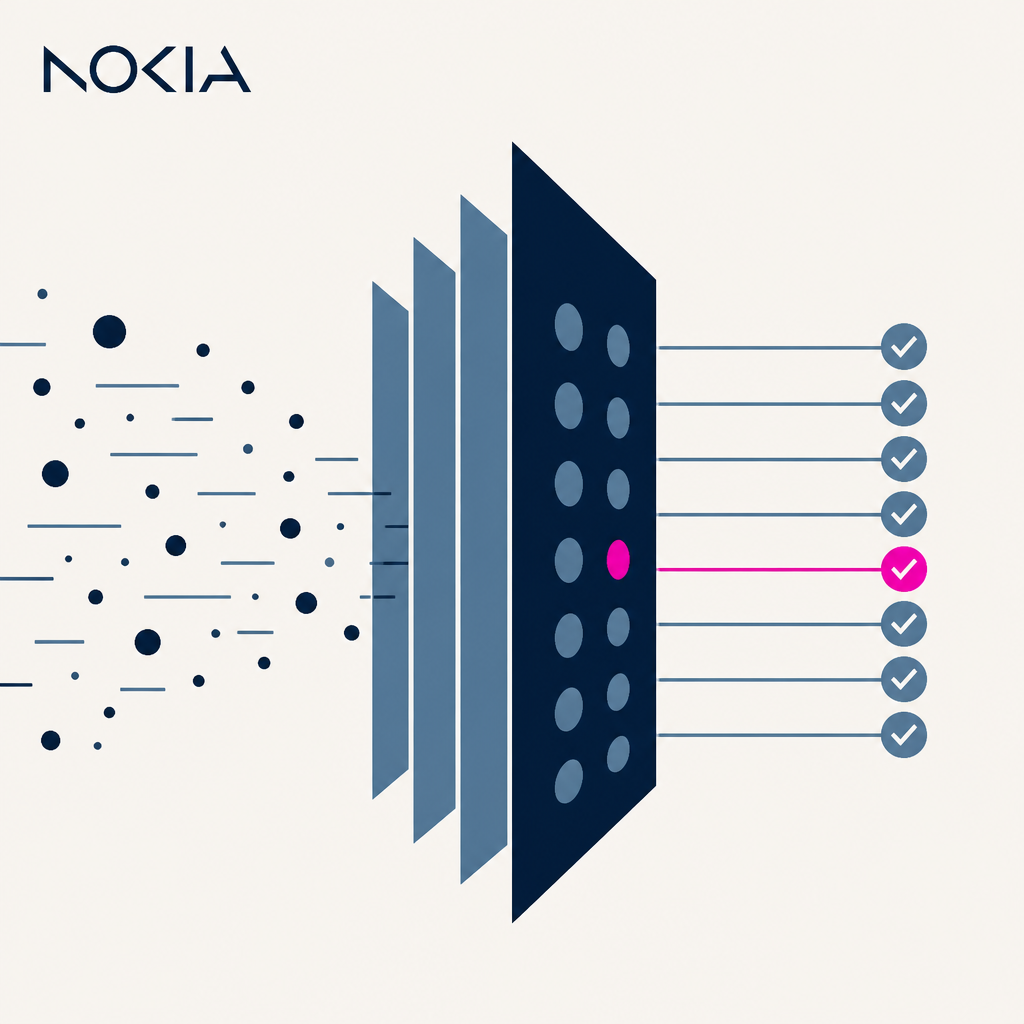
Nokia’s applied research team open-sourced AnyJev, a Python library that converts an open LLM into a typed multiple-choice/yes-no/bin decision model without training. On Qwen3-8B using BANKING77 (20-way, 300 test items), the option order-flip rate dropped from 0.230 to 0.073 with L0 and reached 0.077 with L1. The library adds cyclic-shift and calibration layers (plus optional temperature scaling) to improve probability calibration and reduce sensitivity to option ordering when serving models via PyPI backends like Hugging Face and vLLM.
Kyutai released Voice of Reason, two open-weight speech-to-speech models that solve spoken math without transcription, using supervised fine-tuning and reinforcement learning on top of GLM-4-Voice-9B.
Every AI story that matters,
in your inbox by 8am.
TLDRocket reads all relevant sources, removes duplicate coverage, and summarises the
day in two minutes. Follow companies and topics for alerts, or get the
briefing in Slack. Free, no spam, unsubscribe anytime.
Reading TLDRocket needs no cookies, and the readership counts we rely on come from
our own cookieless analytics. Google Analytics is the exception: it sets cookies and
reports to Google, so it stays switched off until you allow it. You can change your
mind any time from “Cookie settings” in the footer.
Strictly necessary
Session security and form protection (tldrocket-session,
XSRF-TOKEN, 2 hours). The site cannot work without them,
so they need no consent.
Always on
Google Analytics 4 (_ga,
_ga_<id>, up to 2 years). Measures which
stories and sections readers use. Google acts as a third-party processor and may
store the data outside the EU. No advertising, no profiling, no data sold.