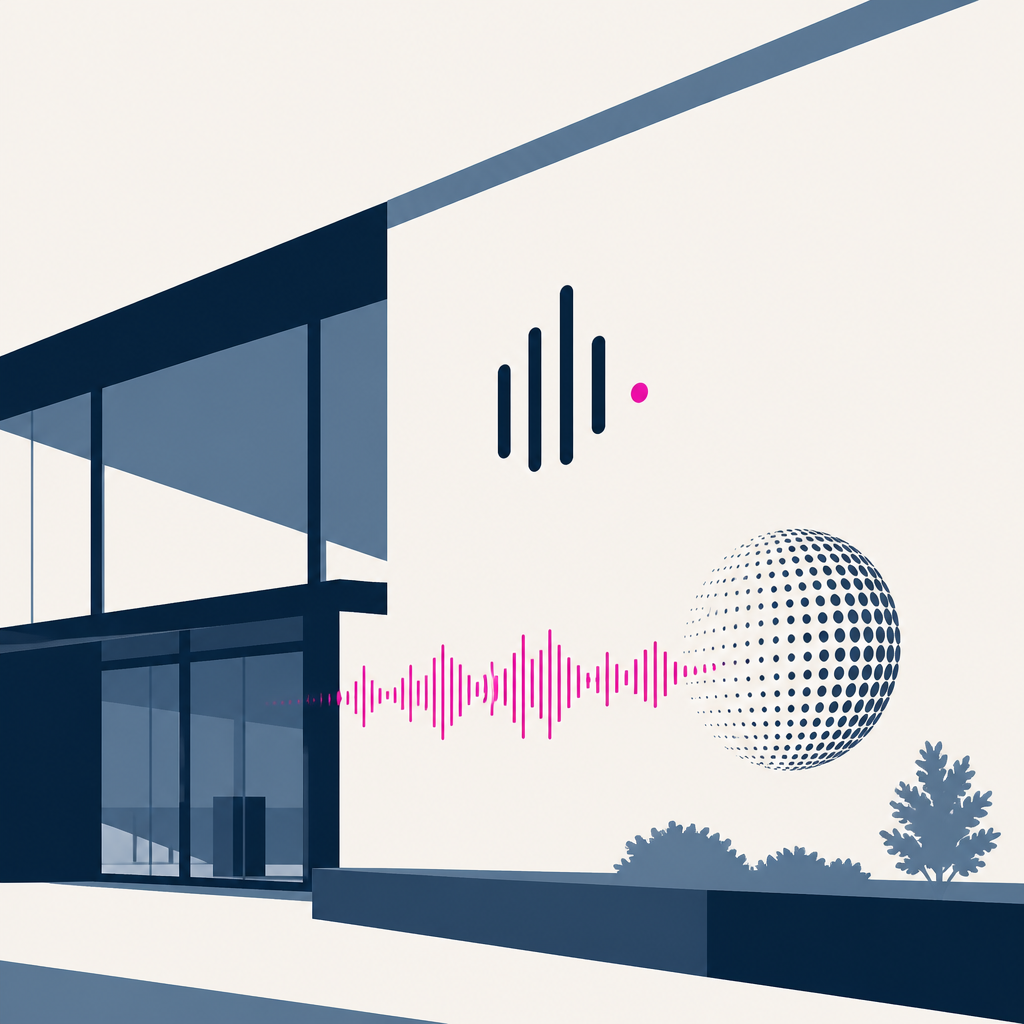
NVIDIA released Nemotron 3 Diarization, a single open-weight 100M-parameter model for real-time and offline multi-speaker diarization, including overlapping speech and up to eight speakers. It achieved a 14.72% diarization error rate (DER) on VoiceArena’s Diarization-Bench v1, beating the next-ranked system’s 19.3%. The model expands streaming diarization capacity from four speakers to eight and adds lower-latency operating points while improving DER across benchmark conditions.
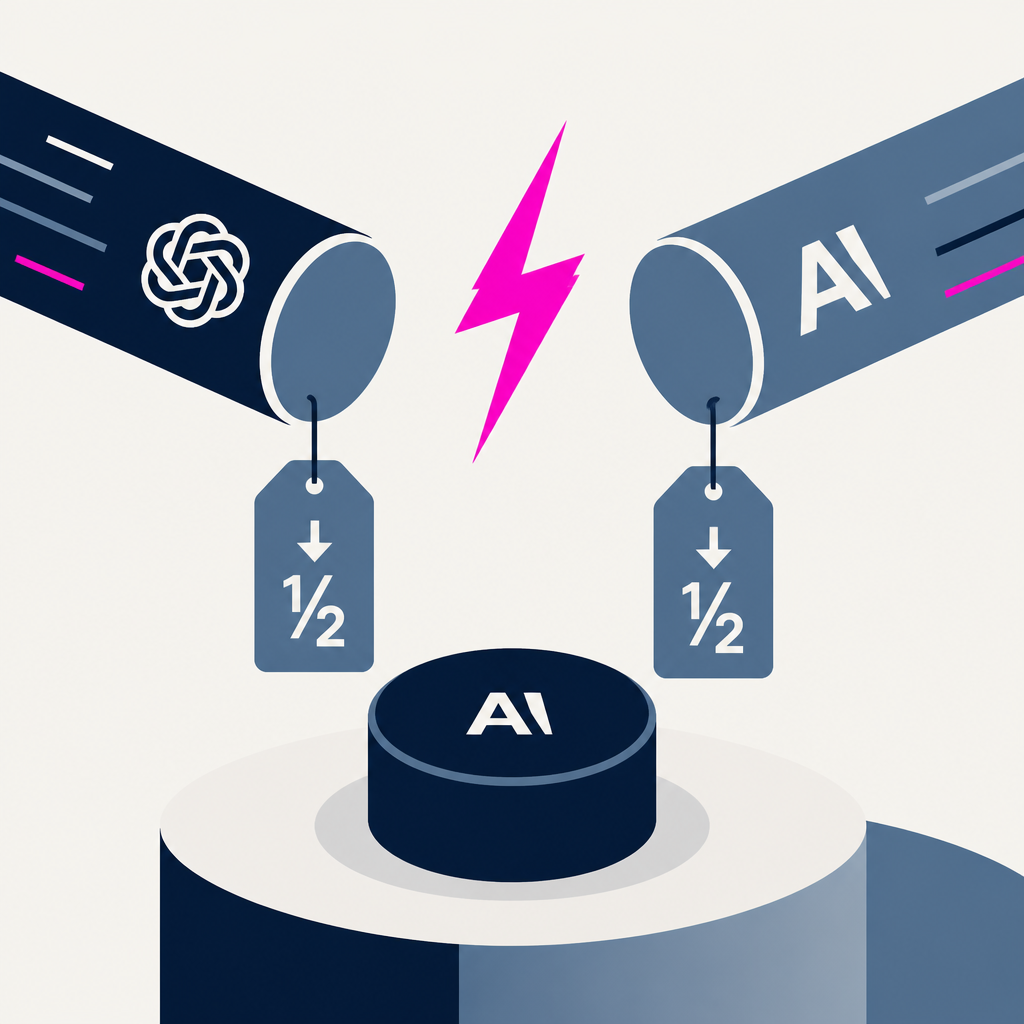
Anthropic and OpenAI released more affordable versions of their frontier AI models within hours of each other as competition intensifies. OpenAI cut its API cost by 50% compared with its previous GPT-5.6 pricing. The price war shifts businesses toward cheaper models and adds pressure to the companies’ future model profit margins.
The Sequence Learning Loop issue described several AI failures where models produced plausible explanations but stalled or failed when integrated with the surrounding invoice-processing or scientific-method execution interfaces.
It highlighted three releases from TypeSafe, Google, and Stanford announced last week, including TypeSafe’s Jev and Google’s two Gemini Live models.
The focus shifts from model capability alone to designing better interfaces—what outputs should look like, when tasks are complete, and which steps agents should reproduce versus call directly.
Anthropic and OpenAI released new models within an hour of each other, triggering a price comparison across their offerings. The article says OpenAI’s GPT-6 Sol and GPT-6 Luna are half the price of the promotional GPT-5.6 equivalents. As a result, Anthropic’s Claude Opus 5.5 is positioned as cheaper per token, and users may see faster shifts in which model is the most cost-effective choice.
Anthropic launched Claude Opus 5.5, positioning it as the first release in its Claude 5.5 model family. Default usage is priced to cost 40% less than Opus 5, with input tokens at $4 per million and output tokens at $20 per million. Access and limits also change, including higher five-hour usage limits for several plans and rate-limit reset for subscription users.
Kyutai released Voice of Reason, two open-weight speech-to-speech models that solve spoken math without transcription, using supervised fine-tuning and reinforcement learning on top of GLM-4-Voice-9B.
OpenAI released GPT-6 Sol and GPT-6 Luna as cheaper-to-run variants built on GPT-6 alongside Astra. Sol now costs $2 per million input tokens and $10 per million output tokens, down from $4 and $20 respectively. The lower prices and revised prompt caching reduce per-task costs and make the models more cost-competitive for agent-style workflows, though independent tests show mixed performance and some drops on knowledge-work benchmarks.
PixVerse R2 was launched as a real-time world model that generates evolving audiovisual worlds from inputs like text, images, audio, and actions. The launch page lists 201 followers. As a result, developers can build longer, more coherent, and more controllable interactive and playable generative experiences instead of fixed video clips.
Every AI story that matters,
in your inbox by 8am.
TLDRocket reads all relevant sources, removes duplicate coverage, and summarises the
day in two minutes. Follow companies and topics for alerts, or get the
briefing in Slack. Free, no spam, unsubscribe anytime.
Reading TLDRocket needs no cookies, and the readership counts we rely on come from
our own cookieless analytics. Google Analytics is the exception: it sets cookies and
reports to Google, so it stays switched off until you allow it. You can change your
mind any time from “Cookie settings” in the footer.
Strictly necessary
Session security and form protection (tldrocket-session,
XSRF-TOKEN, 2 hours). The site cannot work without them,
so they need no consent.
Always on
Google Analytics 4 (_ga,
_ga_<id>, up to 2 years). Measures which
stories and sections readers use. Google acts as a third-party processor and may
store the data outside the EU. No advertising, no profiling, no data sold.