MJWarp moved a MuJoCo robot pick-and-place workflow onto NVIDIA GPU simulation by porting a compatible MJCF model to batched Warp physics and validating that it matches the CPU setup. The walkthrough scales the same scene to 2,048 parallel MJWarp environments and advances them in one call to the step function on the GPU. The result is higher aggregate throughput (more world-steps per second) for reinforcement learning and large-scale sampling instead of focusing on single-environment step latency.
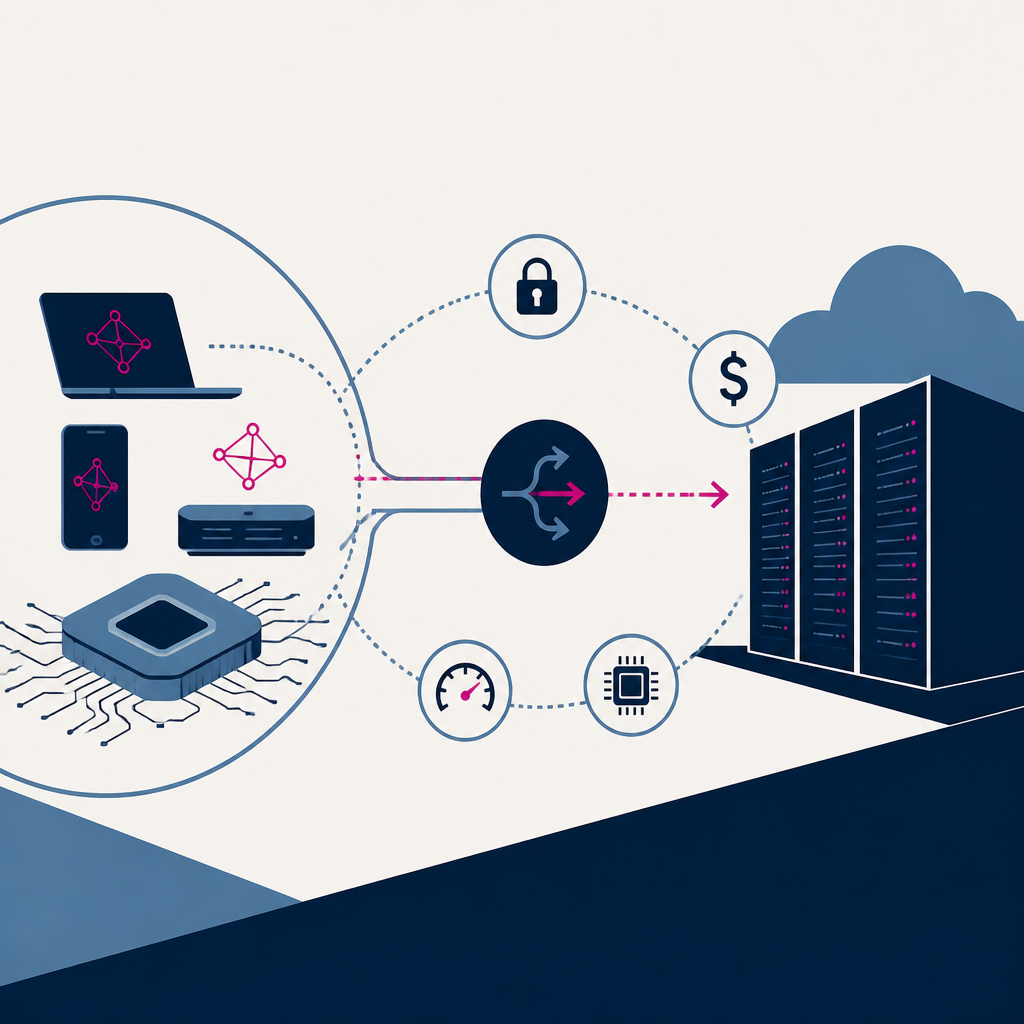
Intel’s Dr. Olena Zhu discussed hybrid AI, pairing local or edge models with a frontier cloud model to coordinate tasks. The episode highlights routing decisions across privacy, cost, capability, and hardware as key infrastructure choices. This shifts focus from picking a single model to building systems that decide where each part of the work runs.
CoreWeave is organizing Fully Connected 2026, a three-day conference for AI leaders and engineers focused on production AI infrastructure and deployment. Standard general admission costs $899, with the event running September 29 to October 1, 2026 at Moscone South in San Francisco. The schedule adds keynotes, breakout sessions, and hands-on labs, plus networking and receptions, while giving attendees access to product and engineering teams building the stack.
Qodo is limiting internal AI token usage while reporting faster pull requests and fewer bugs from its AI-powered SDLC and customer-facing infrastructure. The cap is $10,000 worth of tokens per month for engineers, while Qodo says its AI infrastructure spend is growing about 5x year over year. Qodo’s approach shifts AI investment decisions toward tracking benefits versus costs (and can support pulling back from automation when ROI is negative), instead of pushing unrestricted AI consumption.
NVIDIA and partners used AI Day Singapore to showcase hands-on training, expert sessions, and AI tools aimed at speeding AI and high-performance computing work across Southeast Asia. A key event window is Sept. 22-23 at the Raffles City Convention Centre, where Singapore’s HTX said it is using NVIDIA Nemotron 3 Super and Nemotron 3 Nano Omni for public-safety research and local secure deployment. The focus shifts from AI pilots to production-scale deployments, with more region-specialized Nemotron model adoption and additional enterprise deployments such as Sea’s first ASEAN adoption of NVIDIA Vera Rubin.
Every AI story that matters,
in your inbox by 8am.
TLDRocket reads all relevant sources, removes duplicate coverage, and summarises the
day in two minutes. Follow companies and topics for alerts, or get the
briefing in Slack. Free, no spam, unsubscribe anytime.
Reading TLDRocket needs no cookies, and the readership counts we rely on come from
our own cookieless analytics. Google Analytics is the exception: it sets cookies and
reports to Google, so it stays switched off until you allow it. You can change your
mind any time from “Cookie settings” in the footer.
Strictly necessary
Session security and form protection (tldrocket-session,
XSRF-TOKEN, 2 hours). The site cannot work without them,
so they need no consent.
Always on
Google Analytics 4 (_ga,
_ga_<id>, up to 2 years). Measures which
stories and sections readers use. Google acts as a third-party processor and may
store the data outside the EU. No advertising, no profiling, no data sold.