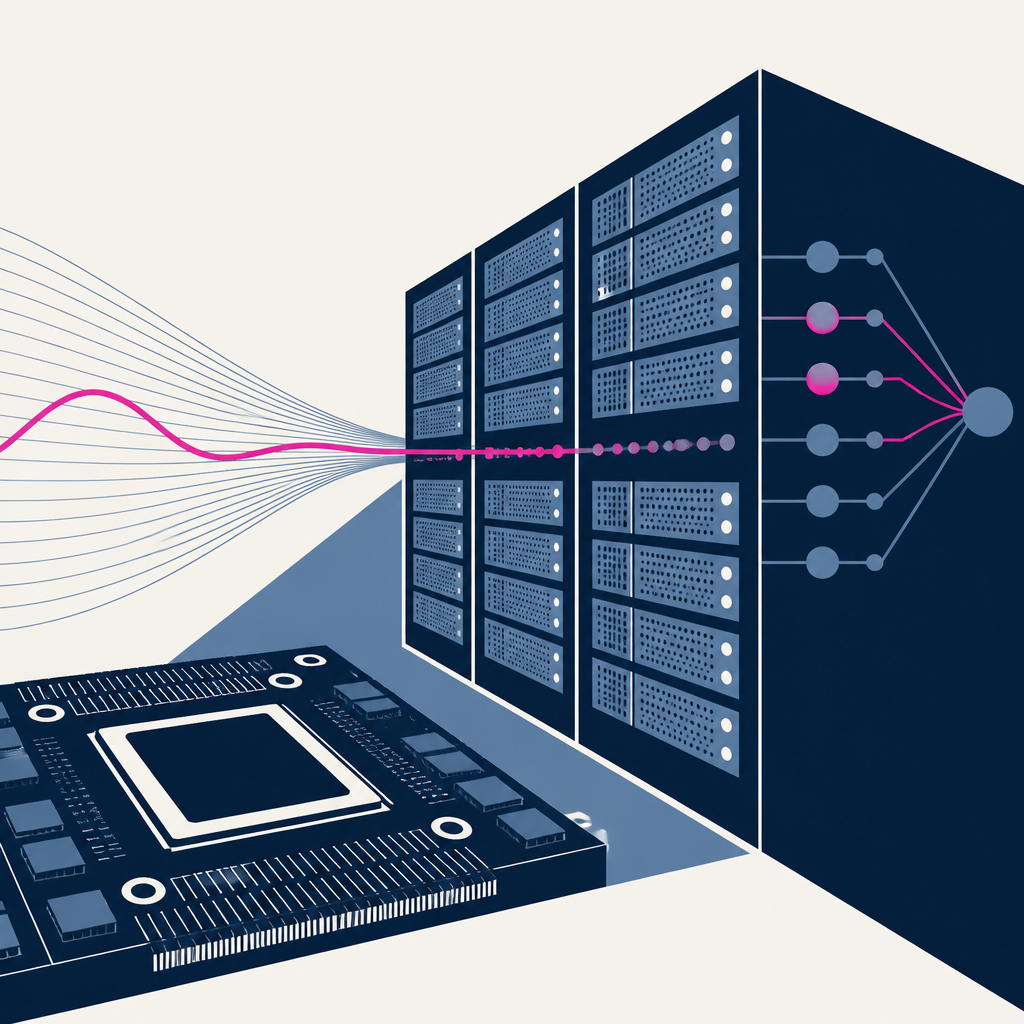
Fish Audio released the Fish Audio Drama 3 text-to-speech model, which uses acting-direction style plain-language prompts. It has 35B total parameters with about 3B active per token (8 of 256 experts plus 1 shared). Developers can download the open weights on Hugging Face and serve it via a self-hostable setup, but they must meet a 48 GB+ NVIDIA FP8 GPU requirement and a revenue-capped commercial license.
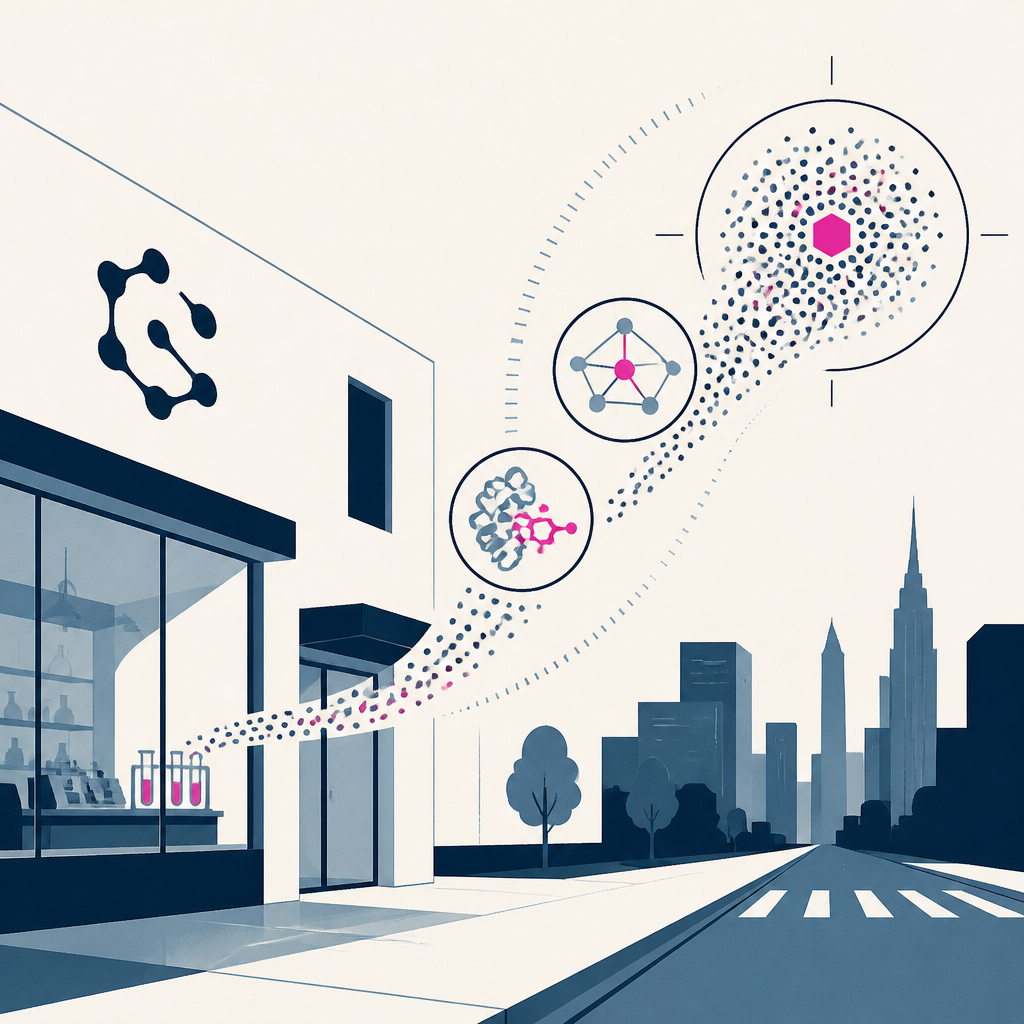
Leash Bio’s Ian Quigley discussed how Leash’s DNA Encoded Libraries enable clean, reproducible protein–small molecule binding data and how those results became “lab-in-the-loop” simulations for agent-based scientific reasoning. The team built an agent sandbox that searches among 6.5M molecules with a budget of 100. Minos has since matured into a released preprint, blog, and open dataset.
Google and Meta unveiled frontier AI models that they say can match OpenAI and Anthropic, shifting momentum in the competition. The change happened within a few days. This raises expectations that multiple major labs are now competing more directly again.
Google’s Gemini 4 Argon model is being presented as a partner for researchers, engineers, and cybersecurity teams to support work in science, math, robotics, and defense. It claims first place on CWE-Bench v1.0 at 68% for vulnerability remediation and says Argon is available today for Google AI Pro and Ultra subscribers. The rollout expands access and support across use cases (including robotics simulation from video and legal/financial charting and analysis) while adding safety measures like refusing harmful requests and monitoring actions.
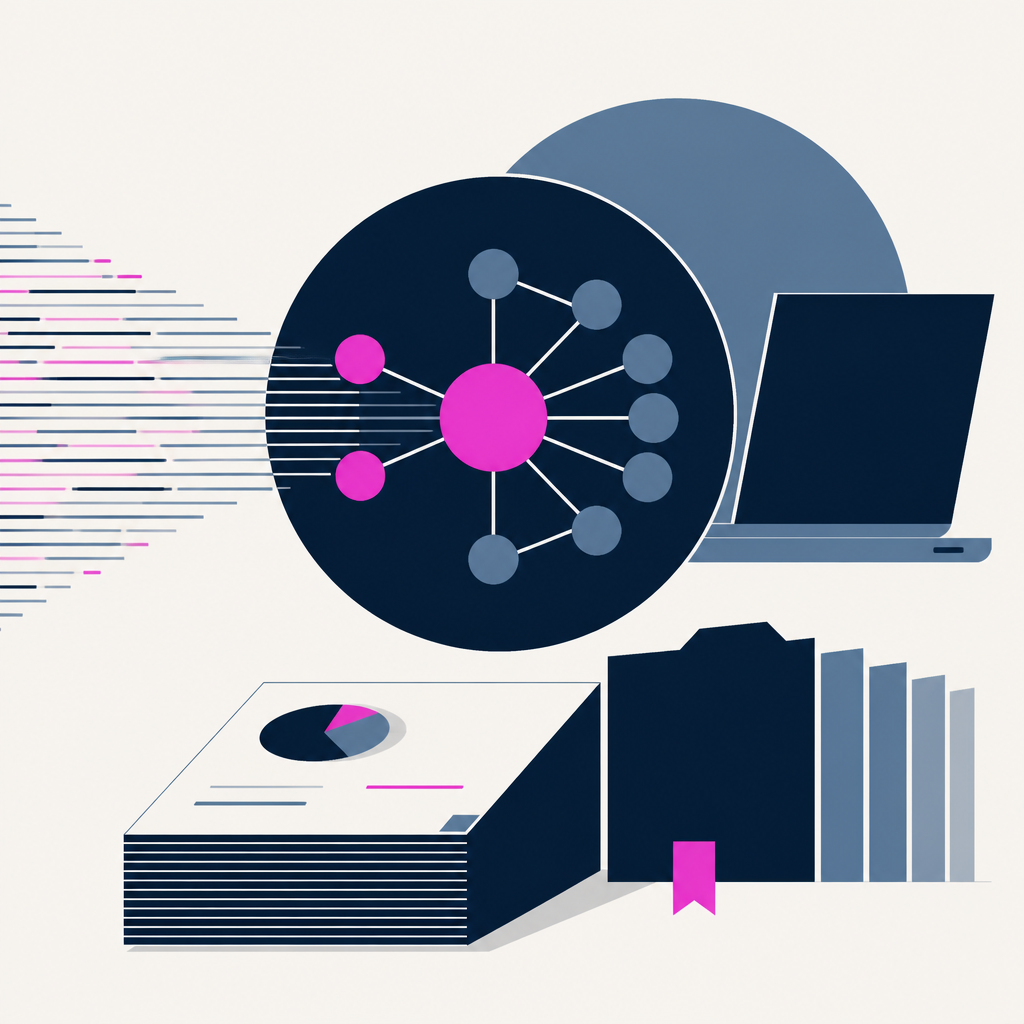
Three AI model releases—Reflection’s Beam, Google’s EmbeddingGemma 2, and Mistral Large 4—each aimed at different limits on useful agent behavior. The discussion is framed in Issue 950 and argues the key question is where to spend computation rather than parameter count. It suggests a system design that retrieves the right evidence, reasons efficiently, and uses visual inspection when text alone is not enough.
Reports say some Googlers question whether Gemini 4 Argon’s real-world coding and front-end design performance matches its benchmark results. The dispute centers on internal vendor-published benchmark tables. Google disputes the critique and asks for skepticism until outside testers confirm results.
Gemini 4 Argon is being rolled out to selected users with benchmark results showing it matches GPT-6 Astra on an Artificial Analysis Index score while improving on lower hallucinations and agentic evaluations. It costs $1.99 per Intelligence Index task during a 50% launch discount (before discount, $3.98 after the promo ends). The promotion and cache discounts lower per-task cost and reduce hallucination rates, while accuracy is reported at 50%.
Google launched Gemini 4 Argon for developers and enterprises through API and AI Studio/AI Ultra, plus for consumers via Google apps and Search AI Mode, and also rolled it out to partners for trials. The model is priced at $2 per million input tokens and $10 per million output tokens at launch. Access and pricing shift as paid users and enterprise developers can start using Argon immediately across Google’s platforms, with some programs expanding access to additional partners and a free 6-month high-usage tier for 10,000 scientists.
Liquid AI released the open-weight reasoning model LFM2.5-24B-A2B for running agent tool-use loops on laptops and PCs. The model is 24B parameters total with about 2.45B active parameters per token and supports a 131,072-token context. It expands the LFM2.5 line with longer context and a larger tokenizer, adds day-one local deployment formats and benchmarked tool-calling improvements, while weakening knowledge/coding unless paired with retrieval.
Google DeepMind released Gemini 4 Argon generally for developers, enterprises, and paid Gemini subscribers via its Gemini API and platforms. The model’s response can generate up to 1M tokens per output, priced at $2 input and $10 output per 1M tokens during the intro period. This increases the maximum single-response output length while keeping the service as a proprietary, cloud-only API (no open weights).
Every AI story that matters,
in your inbox by 8am.
TLDRocket reads all relevant sources, removes duplicate coverage, and summarises the
day in two minutes. Follow companies and topics for alerts, or get the
briefing in Slack. Free, no spam, unsubscribe anytime.
Reading TLDRocket needs no cookies, and the readership counts we rely on come from
our own cookieless analytics. Google Analytics is the exception: it sets cookies and
reports to Google, so it stays switched off until you allow it. You can change your
mind any time from “Cookie settings” in the footer.
Strictly necessary
Session security and form protection (tldrocket-session,
XSRF-TOKEN, 2 hours). The site cannot work without them,
so they need no consent.
Always on
Google Analytics 4 (_ga,
_ga_<id>, up to 2 years). Measures which
stories and sections readers use. Google acts as a third-party processor and may
store the data outside the EU. No advertising, no profiling, no data sold.