Google researchers developed SymptomAI, a conversational AI agent that conducts symptom interviews and generates differential diagnoses, and tested it in a study of 13,917 participants. Clinical experts preferred SymptomAI's diagnoses over those of other clinicians in over 50% of cases, and the system achieved higher top-5 accuracy rates than clinician-provided diagnoses. The system's diagnostic outputs for infectious diseases correlated with physiological changes in participants' wearable device data, demonstrating potential for population-scale health analysis.
Cheiron, a startup building a software platform for drug development, raised $8 million in seed funding led by Menlo Ventures with backing from industry figures including Moderna co-founder Robert Langer and former Pfizer CMO Freda Lewis-Hall. The platform uses a Lifesciences Knowledge Graph to integrate biomedical, clinical, regulatory, and commercial data into a queryable system that helps drug teams track program state across multiple functions simultaneously. Cheiron has already secured seven of Korea's top 10 biopharma companies as customers in less than six months and is now expanding into the U.S. market.
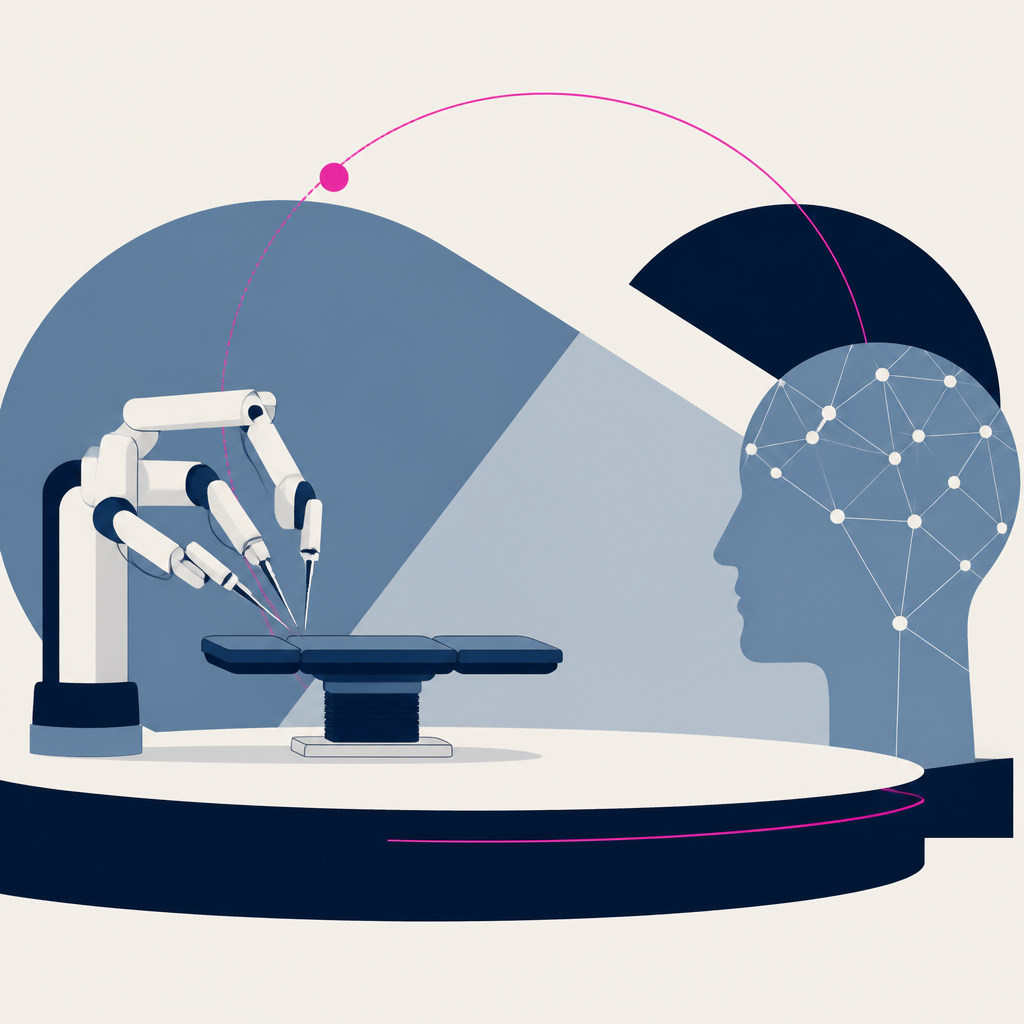
A podcast episode examines the current state and future potential of AI-assisted surgery, featuring Mathias Unberath from Inner Logic discussing what autonomous surgery systems can realistically achieve today versus fictional depictions, and the technical challenges of ensuring reliability during actual medical procedures.
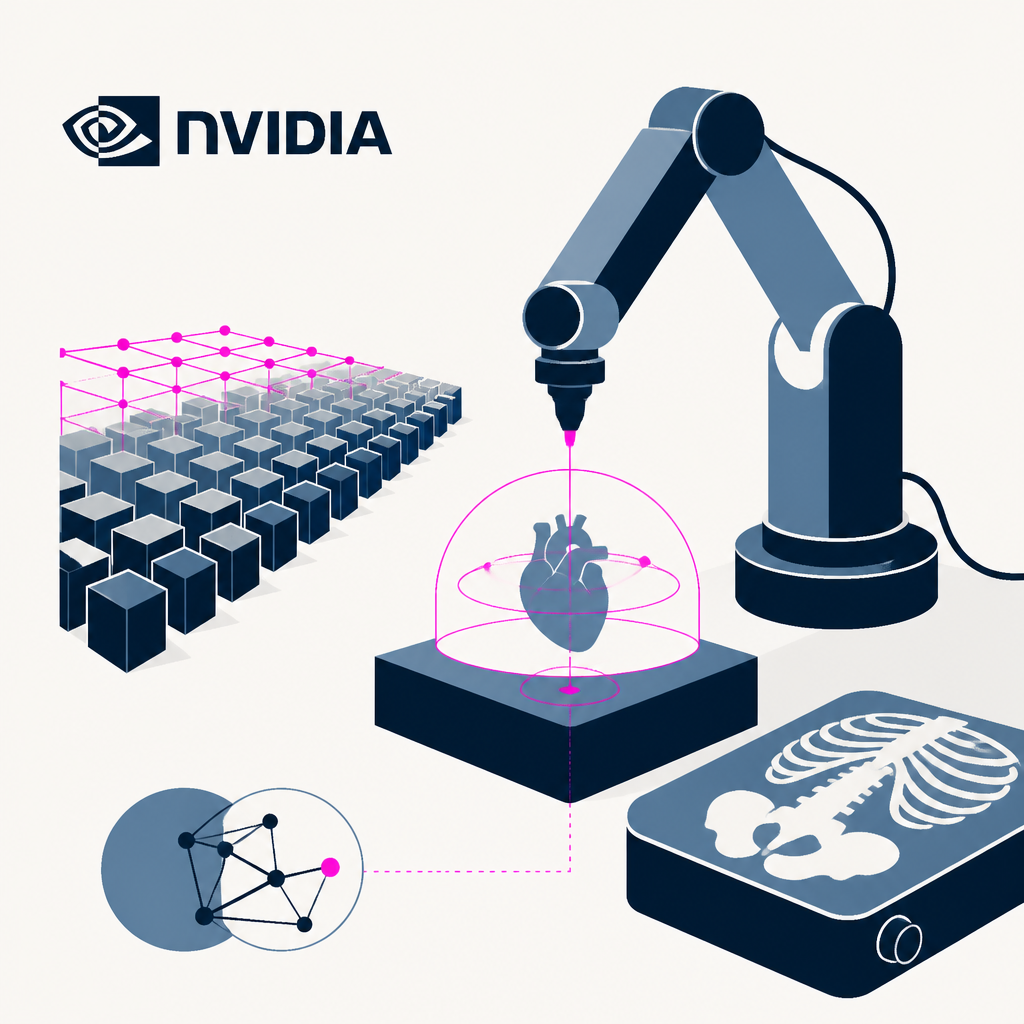
NVIDIA released an open-source GPU-accelerated Medical Physics Simulation framework within Isaac for Healthcare to help medical robotics developers train and test robot behavior in virtual environments before physical testing. The framework can run 8,192 parallel simulations with GPU acceleration, reducing training time from over five hours to under two minutes, and integrates classical physics simulation with generative AI to model anatomy-device interactions and sensor inputs. Companies like CMR Surgical, Johnson & Johnson MedTech, and others are already using the framework to develop surgical robots and reduce the need for extensive real-world testing data.
Philips released a smart toothbrush using AI to analyze brushing technique and show users which areas of their mouth they missed. The DiamondClean 9900 Prestige uses a third-generation AI model with a glowing ring and touchscreen display to provide real-time feedback. The device launches in Europe and the US in fall 2024, enabling users to improve their oral hygiene by targeting overlooked areas.
Every AI story that matters,
in your inbox by 8am.
TLDRocket reads all relevant sources, removes duplicate coverage, and summarises the
day in two minutes. Follow companies and topics for alerts, or get the
briefing in Slack. Free, no spam, unsubscribe anytime.
Reading TLDRocket needs no cookies, and the readership counts we rely on come from
our own cookieless analytics. Google Analytics is the exception: it sets cookies and
reports to Google, so it stays switched off until you allow it. You can change your
mind any time from “Cookie settings” in the footer.
Strictly necessary
Session security and form protection (tldrocket-session,
XSRF-TOKEN, 2 hours). The site cannot work without them,
so they need no consent.
Always on
Google Analytics 4 (_ga,
_ga_<id>, up to 2 years). Measures which
stories and sections readers use. Google acts as a third-party processor and may
store the data outside the EU. No advertising, no profiling, no data sold.