The Algorithmic Bridge·1 month ago·
24
● 125 sources
Dario Amodei, CEO of Anthropic, urged the AI industry to slow frontier capability progress while adding safety checks and coordination among labs and countries. The plan is in three stages: independent evaluators embedded in companies, coordination between democratic-world labs in the US and elsewhere, and eventual international coordination that includes China. Governments pushed back, with Donald Trump rejecting a slowdown and Xie Jinping calling it a Cold War playbook, so the proposed pacing effort is unlikely to happen as described.
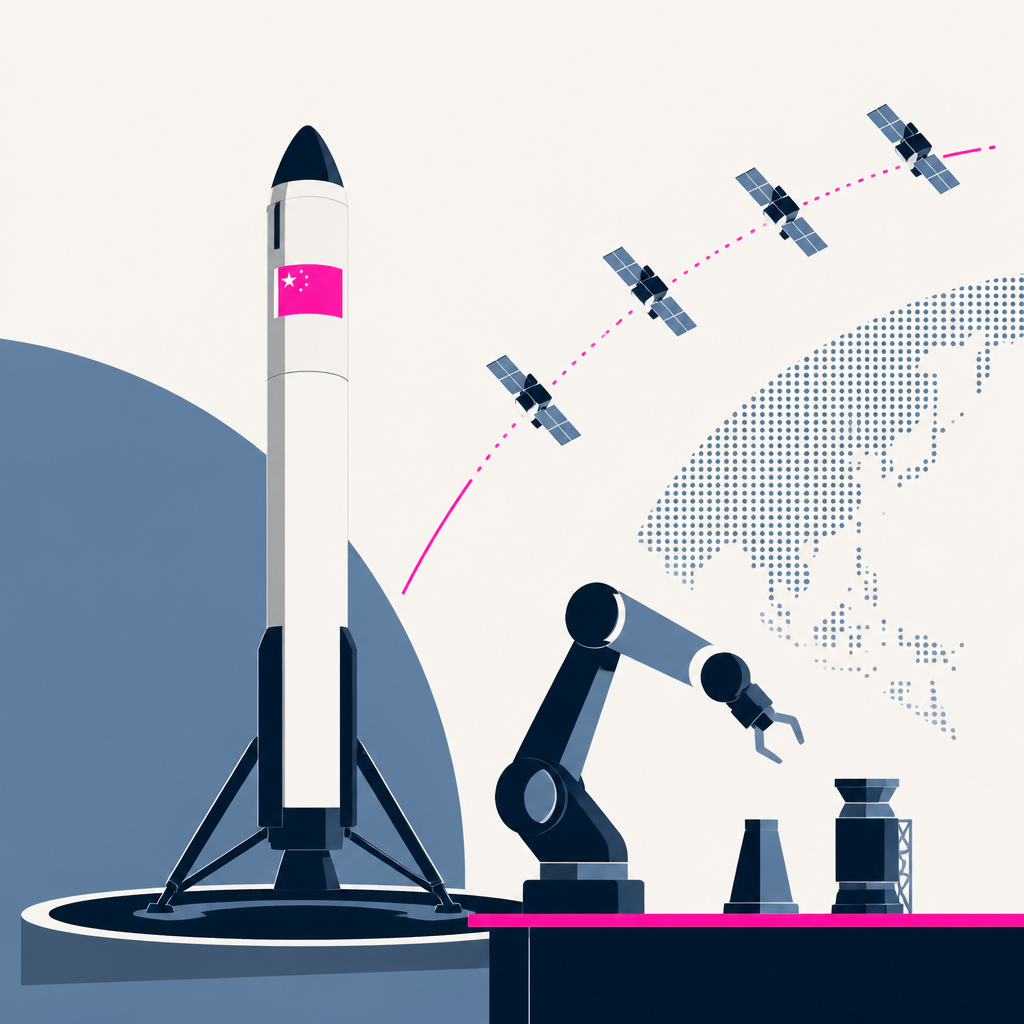
China’s progress in reusable rocket technology is making it cheaper to deploy large satellite constellations, according to a CSET op-ed shared by Kathleen Curlee and Sam Bresnick on Nikkei Asia.
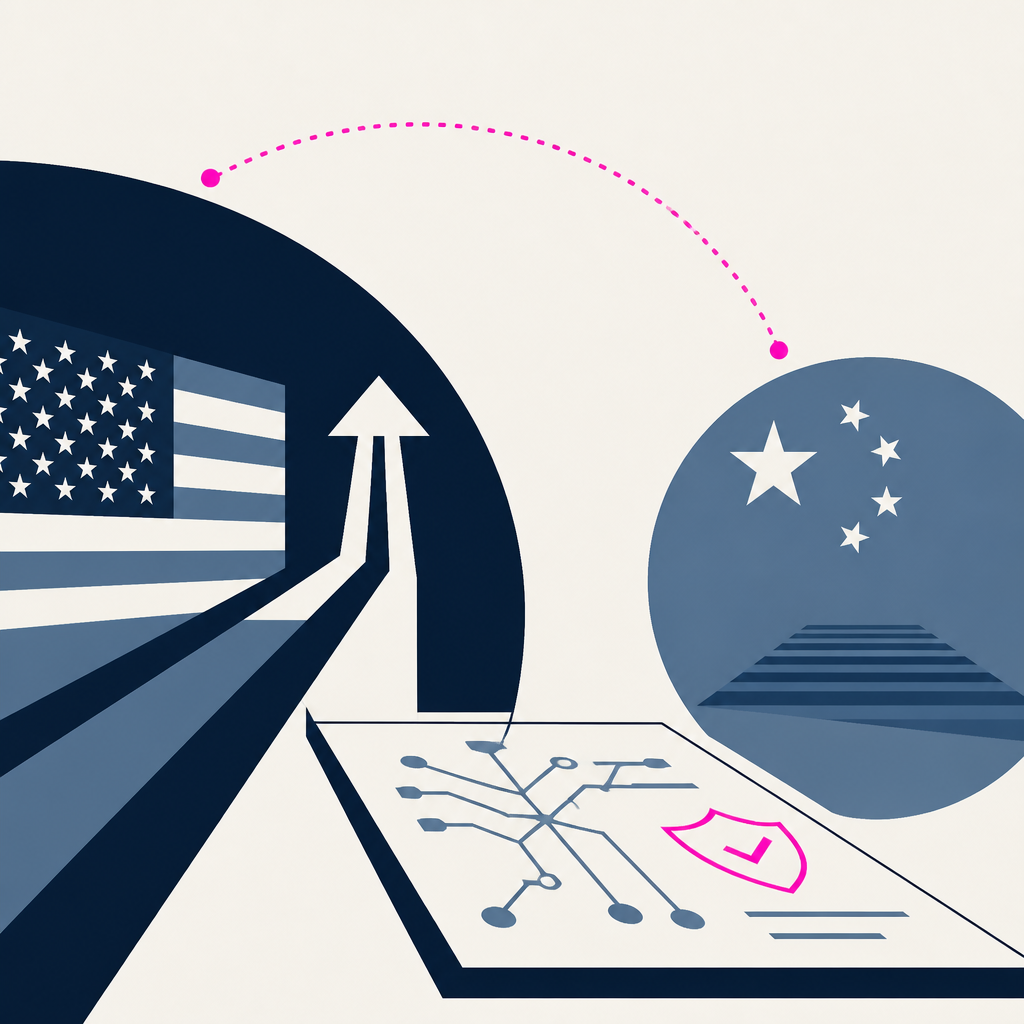
Trump warned against slowing AI efforts, saying doing so could let China take the lead in AI. The piece points to the slogan “whoever wins AI, wins.” It argues this creates a gap between public calls for guardrails and an approach that treats AI progress as competitive and urgent.
Trump dismissed warnings about AI risks during a visit to Ireland while saying the US should keep leading China in AI. The push came after about 1,100 OpenAI, Anthropic, Meta, and Google employees signed a call for “the brakes.” Industry calls for slowdown and calls for faster or tighter US legislation are being met with Republican arguments for avoiding emergency regulation and keeping innovation ahead of China.
The UK Joint Committee on Human Rights published a 100-page report urging a new AI bill to address human-rights risks they say current laws do not cover. The report argues for a statutory single independent AI oversight body and warns that the existing approach is not fit for purpose. The government is now being asked to move to a risk-based regulatory regime, with stronger obligations across the AI lifecycle and possible outright bans on certain human-rights-incompatible uses.
Narendra Modi used BRICS summit remarks to warn that geopolitical tensions, supply chain disruptions and climate crises are increasingly harming people, and urged the bloc to act on its plans. He said BRICS agreed to establish an integrated early warning system for infectious diseases. The bloc’s focus shifts toward time-bound implementation of agreements and cooperation across areas including digital infrastructure and artificial intelligence, rather than keeping them as proposals.
Trump downplayed the need for his administration to check artificial intelligence development, arguing the U.S. should keep its lead in competition with China and saying wins matter more than slowing down. He said the U.S. is leading China in AI development while also suggesting unspecified “guardrails,” with no concrete rules described. As a result, calls from Democrats and AI leaders for concrete safety steps and slower development are met with promises of meetings but no specific congressional or regulatory plan, keeping the debate unresolved.
Every AI story that matters,
in your inbox by 8am.
TLDRocket reads all relevant sources, removes duplicate coverage, and summarises the
day in two minutes. Follow companies and topics for alerts, or get the
briefing in Slack. Free, no spam, unsubscribe anytime.
Reading TLDRocket needs no cookies, and the readership counts we rely on come from
our own cookieless analytics. Google Analytics is the exception: it sets cookies and
reports to Google, so it stays switched off until you allow it. You can change your
mind any time from “Cookie settings” in the footer.
Strictly necessary
Session security and form protection (tldrocket-session,
XSRF-TOKEN, 2 hours). The site cannot work without them,
so they need no consent.
Always on
Google Analytics 4 (_ga,
_ga_<id>, up to 2 years). Measures which
stories and sections readers use. Google acts as a third-party processor and may
store the data outside the EU. No advertising, no profiling, no data sold.