
Indian PM Narendra Modi calls out BRICS nations, telling summit it's time to act on their agreements and convert 'files to real-life impact'
Fortune The Associated Press
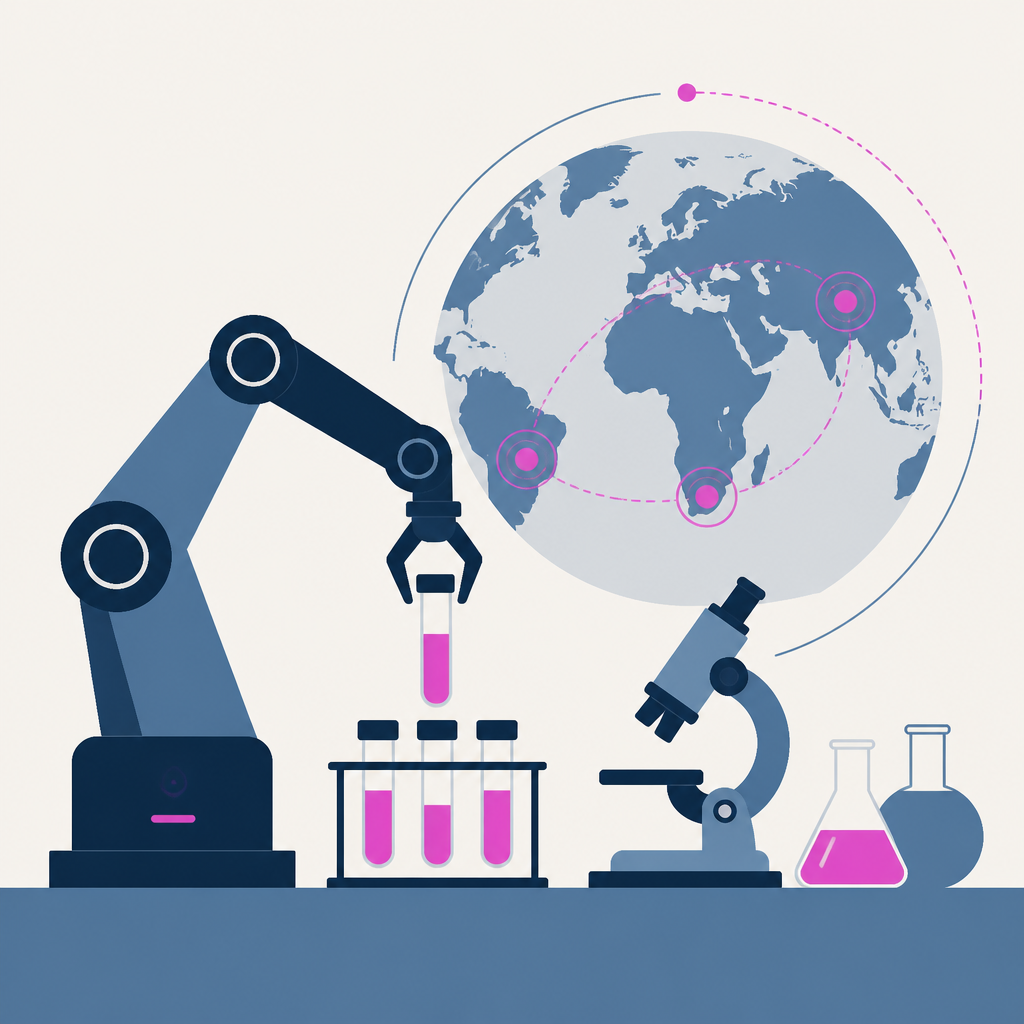
Modi told BRICS to stop filing promises and start using them. He said wars, climate shocks and supply-chain hits are spreading fast, and the bloc just added an early-warning plan.
Based on reporting by Fortune, The Associated Press — read the original for the full story.
Summary, retelling and take written by AI under human oversight; images are AI-generated illustrations. How we work · Report an error
Narendra Modi used the BRICS summit in New Delhi to push his peers harder than most summit speakers do. His message was blunt: the world is getting more tense, more fragile and less forgiving, and the bloc’s answers need to be more than a stack of agreements on paper.
He said conflicts, climate disasters and supply-chain breakdowns are now hitting ordinary people across borders, not just one country at a time. He also warned that the weaponization of technology and critical minerals could slow development and shared prosperity. That is a neat phrase for a very real fear: the tools of modern growth can also be turned into leverage.
The summit did produce something concrete. BRICS members agreed to create an integrated early warning system for infectious diseases, a sign that the group wants to talk less abstractly about preparedness and more about how to respond when the next outbreak arrives. Modi called for that kind of action to be time-bound and tangible, saying the bloc should move from “files to real-life impact.”
And there was plenty of politics in the joint declaration too. The group voiced concern over tensions in the Middle East and Sudan, backed a multipolar world order, and renewed calls to reform the U.N., the World Bank and the IMF. It also opposed unilateral sanctions, criticized tariffs and other trade barriers, and pushed harder use of local currencies and cross-border payment systems. The interesting part is not that BRICS said all this. It’s that the group managed to agree on it while bringing together countries with conflicting positions, including Iran, Saudi Arabia and the United Arab Emirates.
My take — AI-written commentary, not fact-checked reporting
BRICS still has a habit of sounding like a cabinet meeting for the dissatisfied, but that doesn’t make it useless. The real test is whether this bloc can do anything other than issue grand declarations about trade, payments and fairness while everyone keeps protecting their own turf. The early-warning system is the right kind of modest: less slogan, more plumbing.
Read more about this at: Fortune
Related stories
 Scott Bessent says 19 of the G20 finance ministers agreed to address ‘cheap imports’ but ‘China was the dissenter’
Fortune ·
42
AI could cause global economic downturn, Andrew Bailey warns G20
BBC News · 1 week ago ·
41
Scott Bessent says 19 of the G20 finance ministers agreed to address ‘cheap imports’ but ‘China was the dissenter’
Fortune ·
42
AI could cause global economic downturn, Andrew Bailey warns G20
BBC News · 1 week ago ·
41