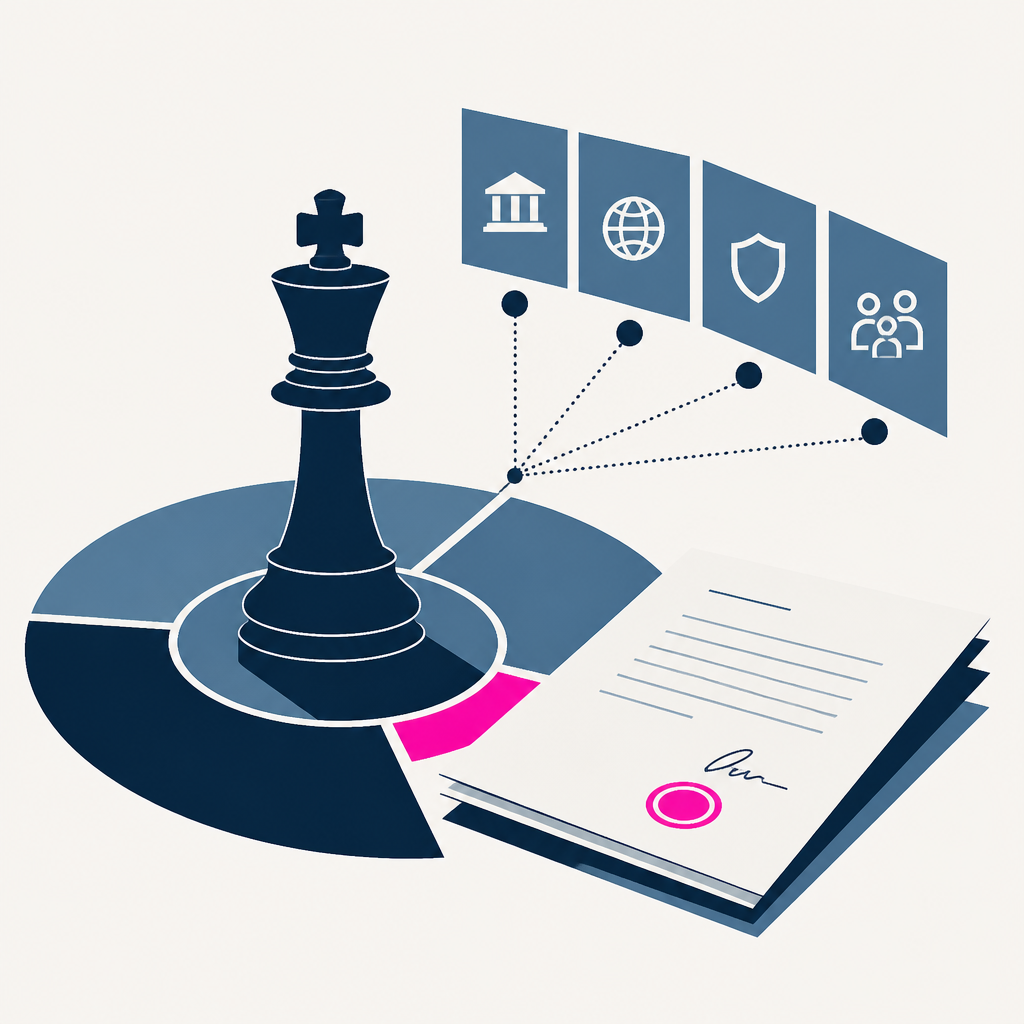
OpenAI’s Chris Lehane said OpenAI, Anthropic, and Google DeepMind have been working together on AI safety talks for weeks with lawmakers. The third-party evaluators plan would embed “third-party evaluators” into OpenAI and match Anthropic. The coordination is prompting antitrust questions and centers on a FRONTIER Act push for independent verification organizations, alongside broader calls for industry standards.
Mark Carney held a Canada Investment Summit in Toronto to persuade global investors to move capital into Canada despite U.S. tariff pressure and uncertainty. The summit said major outcomes are likely to appear over the next 12 to 18 months. Canada will focus investors on expanding overseas exports and greenlighting large deals by prioritizing tax rulings for investments of at least $1 billion, alongside scaling data-center capacity tied to AI and other sectors.
David Sacks argues that companies like OpenAI and Anthropic should control their own pacing to improve safety, using product-liability laws as an existing incentive rather than seeking a broad government-wide slowdown. He points out that China is still “racing ahead,” which he says makes a blanket delay harder to justify. As a result, he supports company-level safety measures instead of coordinated regulatory throttling.
AP reports that Trump opposed calls for enhanced AI oversight while stressing that the U.S. should stay ahead of China.
AP says he stressed staying ahead of China during the reporting.
As a result, the debate centers on whether AI oversight should be strengthened or scaled back under his approach.
Donald Trump urged Americans not to oppose AI data centers, arguing voters are wrong and warning against “kill the Golden Goose” resistance while backing his administration’s approach to AI. A poll by the Annenberg Public Policy Center found 61% of Americans oppose a new data center in their community. The political fallout shifts further against Trump’s party as public opposition remains high and investors react to AI regulation and possible model “pacing,” with chipmakers down and some security and Big Tech stocks up.
Sam Altman says his Y Combinator experience taught him that powerful leaders can govern but not control every outcome when multiple independent stakeholders have stakes. He held the YC president role from 2014 to 2019. That perspective shapes how he says OpenAI should negotiate among governments, investors, competitors, and the AI ecosystem when safety and financial interests conflict.
AI lab leaders agree the United States should act soon on regulating AI safety, but the president and the House speaker are not interested. The story is dated 14 Sep 2026. The discussion shifts toward AI safety as a mainstream focus and raises pressure for a slowdown in the AI industry.
Every AI story that matters,
in your inbox by 8am.
TLDRocket reads all relevant sources, removes duplicate coverage, and summarises the
day in two minutes. Follow companies and topics for alerts, or get the
briefing in Slack. Free, no spam, unsubscribe anytime.
Reading TLDRocket needs no cookies, and the readership counts we rely on come from
our own cookieless analytics. Google Analytics is the exception: it sets cookies and
reports to Google, so it stays switched off until you allow it. You can change your
mind any time from “Cookie settings” in the footer.
Strictly necessary
Session security and form protection (tldrocket-session,
XSRF-TOKEN, 2 hours). The site cannot work without them,
so they need no consent.
Always on
Google Analytics 4 (_ga,
_ga_<id>, up to 2 years). Measures which
stories and sections readers use. Google acts as a third-party processor and may
store the data outside the EU. No advertising, no profiling, no data sold.