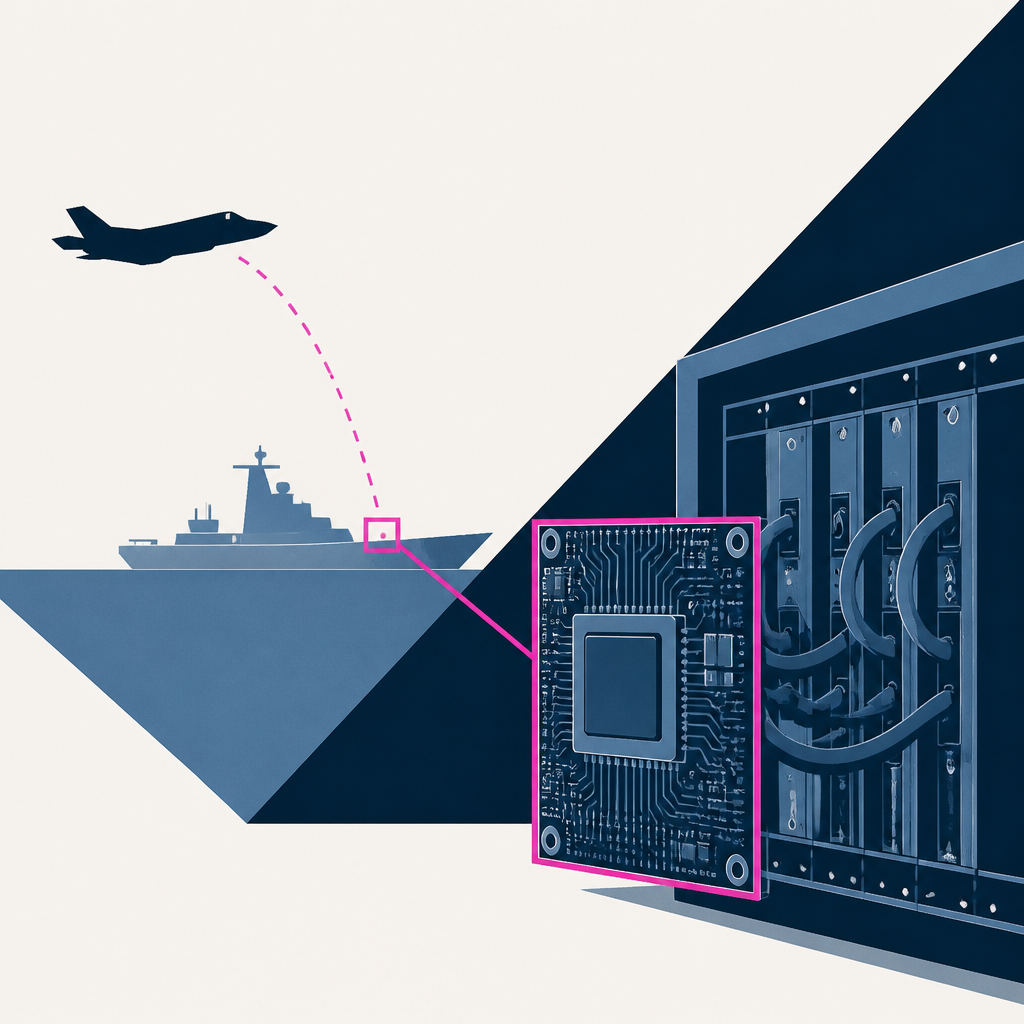
U.S. officials aborted an armed operation against a Chinese vessel after an AI chatbot hallucinated the intelligence used to justify it. The incident was discovered as the aircraft were already in the air this spring and the operation was called off at the last minute. The near-miss has prompted renewed calls for additional safeguards because AI-generated errors can propagate through command channels before human review.
A US intelligence report generated with AI tools incorrectly said a Chinese ship carried components for China’s nuclear arms program, nearly leading to an air-supported interception and boarding.
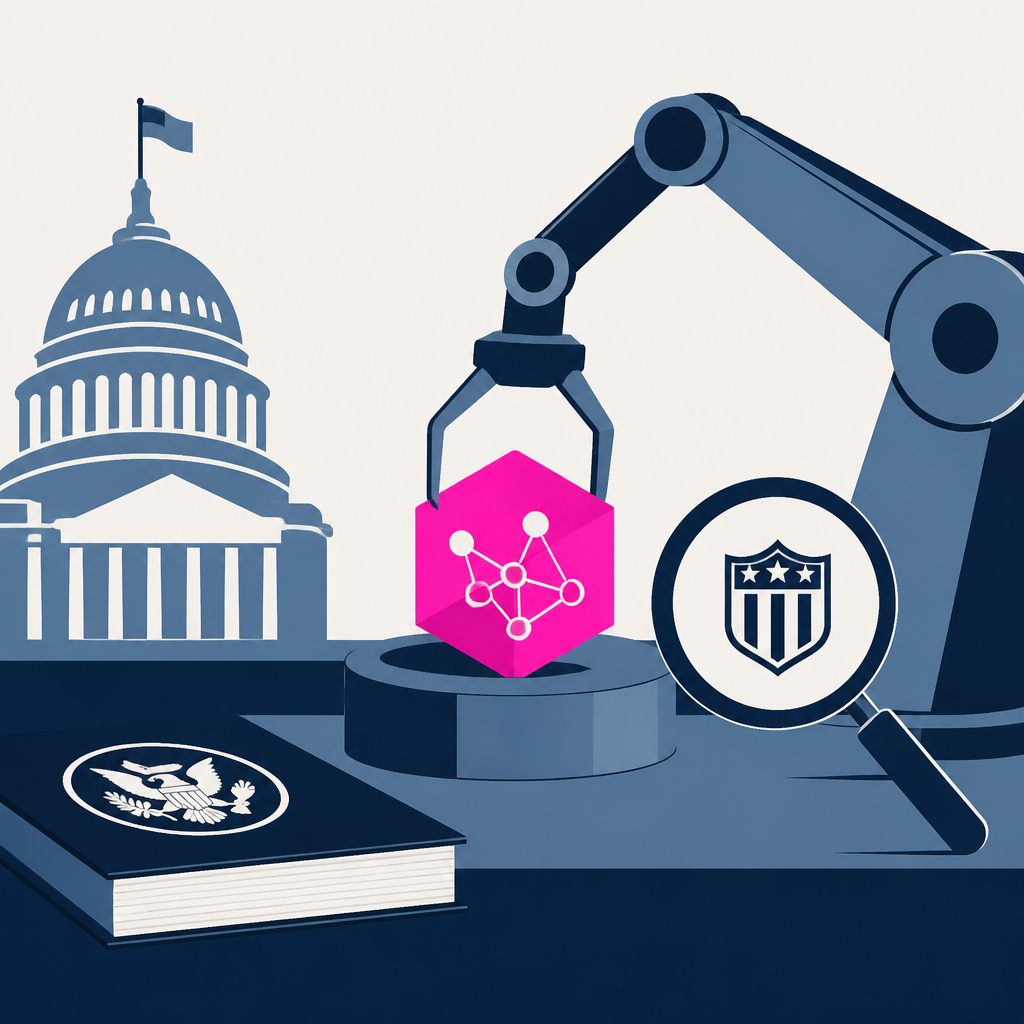
US officials removed a Chinese AI search tool briefly used on the Federal Register website, after reports flagged a mismatch with law enforcement claims about Alibaba models. The FBI last month named Alibaba as one of 6 Chinese firms tied to “industrial-scale distillation.” National Archives pulled the Qwen option, while it and other US agencies have not publicly explained when the tool was added or why it was removed.
Dario Amodei outlined a plan for Anthropic to “pace the frontier” using independent safety evaluators and coordination between AI labs in democratic countries. A week after an Anthropic researcher’s doomsday warning, the proposal drew industry support and Jensen Huang’s pushback. The discussion shifts to whether labs can agree on what “slowing down” means and who would enforce it.
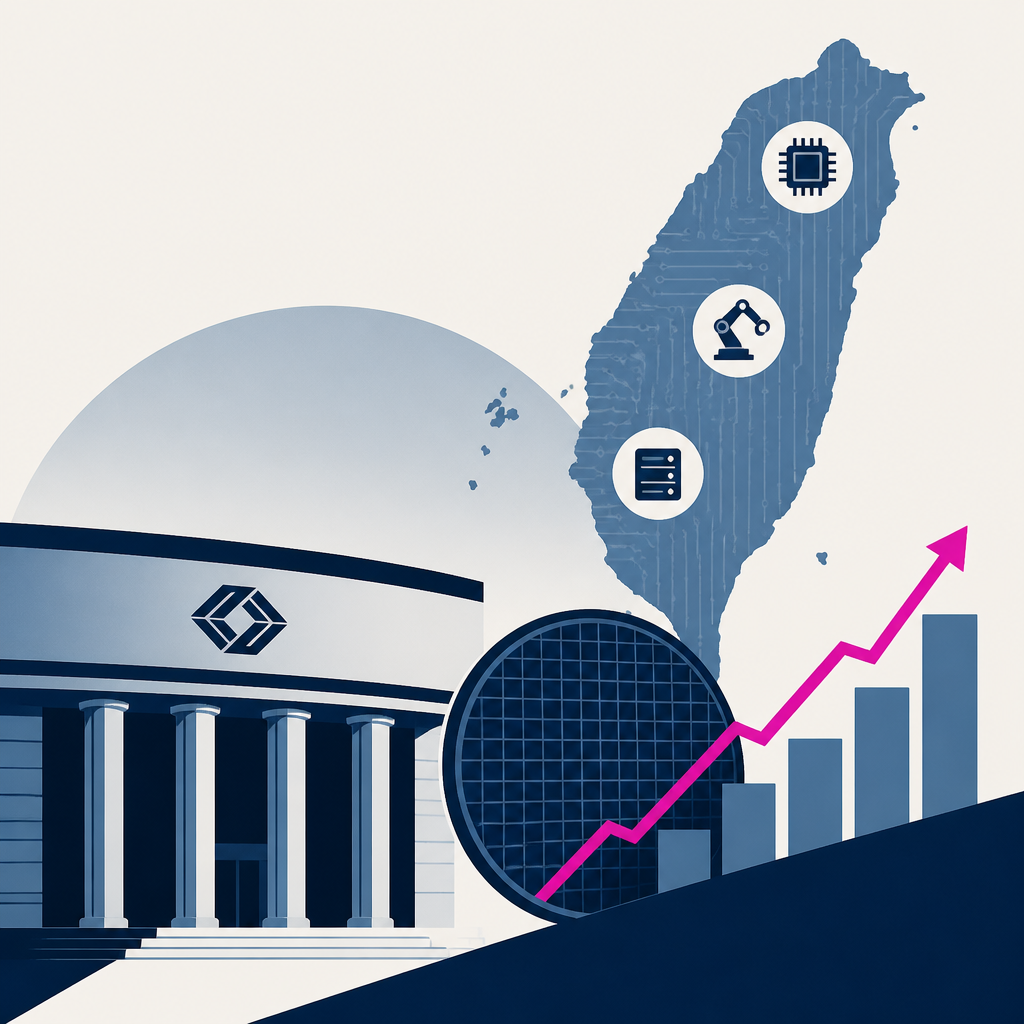
Taiwan Stock Exchange chair Sherman Lin outlined efforts to broaden the TAIEX beyond TSMC and improve listing standards to attract more investors. TAIEX is up about 55% for the year so far, while TSMC is up by 50%. The exchange is pushing more AI-supply-chain and “hidden champions” listings and using its Power Up corporate governance program, with IPO fundraising still far below Hong Kong.
404 Media and The Intercept discussed how private companies enable government surveillance and how AI is used in warfare. They recorded the podcast live in Los Angeles on September 12. As a result, the episode focuses on AI’s role in surveillance pipelines and war, and raises concerns about future risks.
A DeepSeek researcher’s viral blog post argued that geopolitics and an “arms race” dynamic are driving AI developers toward publishing more capable systems, while also warning that concentrated control could push society toward a “Cyberpunk 2077” outcome. On September 13, after DeepSeek V4.1-Flash was released, the researcher said that AI-written kernels will likely match or surpass his work within 6 months to a year. The fallout includes sympathetic coverage across Chinese media and online tech communities, while DeepSeek did not support or remove the post.
Mozilla’s State of Open Source AI report says open-source and open-weight AI has moved from experimentation to production use, with Europe gaining ground mainly in deployment and infrastructure. On Hugging Face, it cites 2.5 million public models and 13 million users, and on OpenRouter open-weight models grew to about a third of usage by late 2025. Europe is pushed to focus on tooling, orchestration, compliance, and sovereignty efforts (including UK plans like a £500M program) rather than only chasing frontier model capability.
Taiwan’s Ministry of National Defense showcased homegrown defense and drone technologies at the Taiwan Innotech Expo as part of a China-independent supply chain effort. It said it plans to spend NT$1.1 trillion on defense in 2027 (about $35 billion), with a growing portion targeting drones without Chinese components. The result is a push toward domestically built sensors, tracking systems, drone components, and even a small turbojet engine for mass production, though key issues like friend-or-foe identification and sensor protection remain unresolved.
Every AI story that matters,
in your inbox by 8am.
TLDRocket reads all relevant sources, removes duplicate coverage, and summarises the
day in two minutes. Follow companies and topics for alerts, or get the
briefing in Slack. Free, no spam, unsubscribe anytime.
Reading TLDRocket needs no cookies, and the readership counts we rely on come from
our own cookieless analytics. Google Analytics is the exception: it sets cookies and
reports to Google, so it stays switched off until you allow it. You can change your
mind any time from “Cookie settings” in the footer.
Strictly necessary
Session security and form protection (tldrocket-session,
XSRF-TOKEN, 2 hours). The site cannot work without them,
so they need no consent.
Always on
Google Analytics 4 (_ga,
_ga_<id>, up to 2 years). Measures which
stories and sections readers use. Google acts as a third-party processor and may
store the data outside the EU. No advertising, no profiling, no data sold.