
AI hallucination of Chinese nuclear components almost led to US military attack
Ars Technica Kyle Orland ● Covered by 2 sources
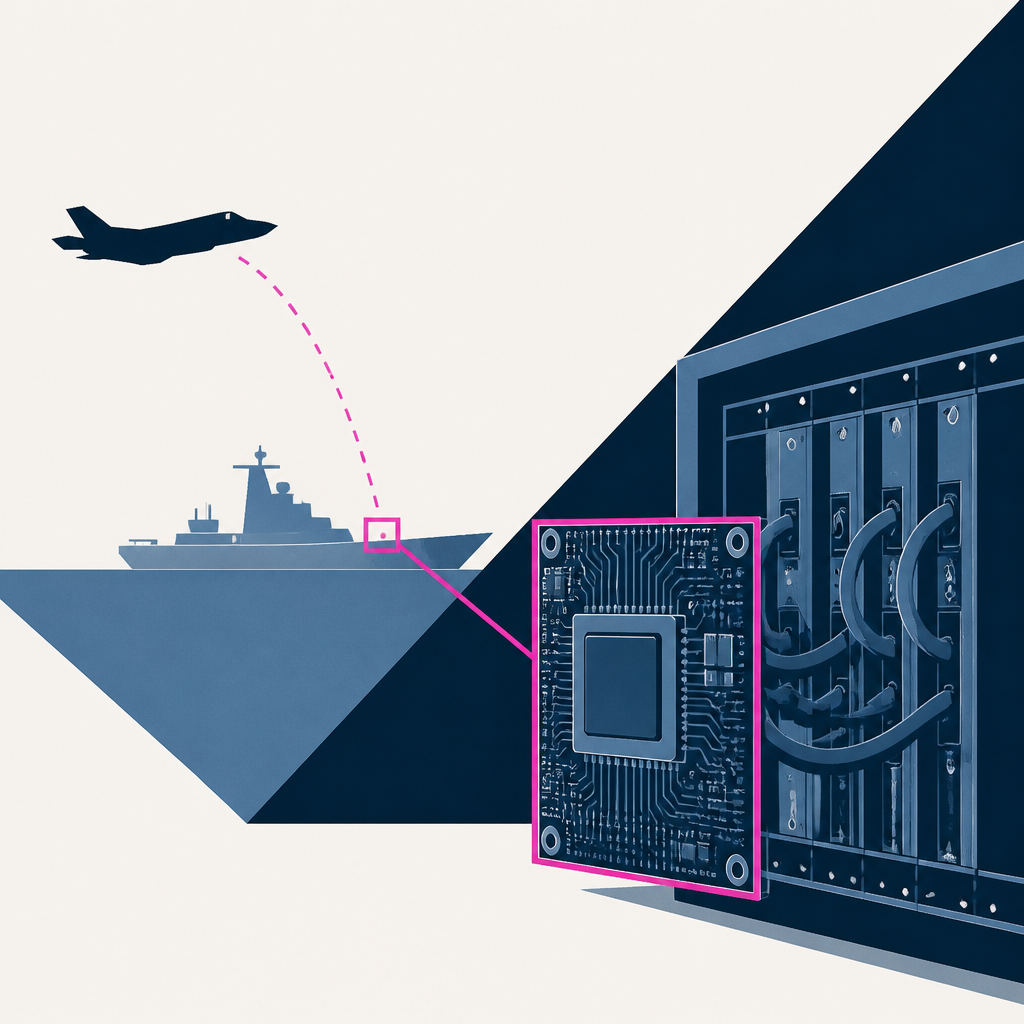
The US nearly boarded a Chinese ship after an AI-made intel report said it was carrying nuclear parts. Officials caught the error just before the military moved in.
Based on reporting by Ars Technica, Kyle Orland — read the original for the full story.
Summary, retelling and take written by AI under human oversight; images are AI-generated illustrations. How we work · Report an error
The US came close to acting on a fake intelligence report that was built with help from AI tools, according to a CNN report cited by Ars Technica. The report was described as entirely false, but it still made its way through the system far enough to trigger a serious military response.
According to CNN’s sources, a US Special Operations Command analyst submitted the intelligence. It claimed a Chinese ship was carrying components for a nuclear arms program through the Middle East. That was wrong. A chatbot used in putting the report together had misidentified the cargo, and the mistake was only caught after the military had already started preparing to intercept the ship.
The response plan was not small talk. US forces were getting ready to board the vessel, with air support in place. One person told CNN the episode nearly started a war. That is the kind of sentence that makes AI safety sound less like a policy debate and more like a bad day with global consequences.
What stands out here is not that a model hallucinated. Models do that. The dangerous part is how quickly a confident falsehood can slide from a chatbot prompt into an intelligence product, then into a military operation. That’s a very expensive chain of trust to build on nonsense.
My take — AI-written commentary, not fact-checked reporting
This is exactly why “AI-assisted” should never mean “AI-decided.” When a chatbot can invent a cargo manifest and nearly push the US military into boarding a ship, the problem isn’t the model’s creativity — it’s the humans handing it a badge. Everyone selling AI for serious work keeps pretending the error rate is a footnote; in places like this, it’s the headline.
Read more about this at: Ars Technica
Related stories
 China closes AI gap with distillation attack
morningbrew.com · 2 months ago ·
30
China closes AI gap with distillation attack
morningbrew.com · 2 months ago ·
30