
‘Non-Red’ Defense Tech Aims to Arm Taiwan Against the Threat From China
Trending Topics Jakob Steinschaden
Taiwan’s expo put tanks, drones and AI guns next to consumer gadgets. The point is a defense industry that works around China and keeps more parts at home.
Based on reporting by Trending Topics, Jakob Steinschaden — read the original for the full story.
Summary, retelling and take written by AI under human oversight; images are AI-generated illustrations. How we work · Report an error
At Taiwan’s Innotech Expo, a tank beside smart mirrors and startup demos is normal, not odd. Defense is one of the fair’s main themes, and the Ministry of National Defense is helping host it. That lines up with President Lai Ching-te’s push for what Taiwan calls the “Five Trusted Industries” and, more specifically, a supply chain that avoids China.
The pressure behind that push is plain. China has been piling on military and political pressure for years, and U.S. intelligence agencies think Beijing wants its forces ready for a possible invasion by 2027. Taiwan is answering with a rapid military buildout. Reuters says the government plans to spend more than NT$1.1 trillion on defense in 2027, about $35 billion, up 16 percent and, for the first time, above 3 percent of GDP. The target rises to 5 percent by 2030.
A lot of that money is meant to flow into what officials and companies keep calling a “non-red supply chain.” Red here means the People’s Republic of China, and the biggest test case is drones, a field China dominates globally. The Taipei Times says the defense ministry plans to spend NT$42.1 billion on drones in 2027 alone. The expo’s pitch is that Taiwan is trying to build the hardware, software and components at home instead of buying them from across the strait.
One of the clearest examples came from the state-run National Chung-Shan Institute of Science and Technology. Its augmented-reality helmet display stitches together images from four external sensors into a 360-degree view for tank crews, even in darkness, and can feed target information into the turret’s fire control system. The idea is familiar from Western systems such as Israel’s Iron Vision and the F-35 helmet setup. But the hard parts are still there: no reliable friend-or-foe identification yet, and the sensors themselves would be exposed in combat.
The same mix of progress and limits shows up elsewhere on the show floor. National Kaohsiung University of Science and Technology brought a machine-gun-style system that fuses cameras, thermal imaging, radar and radio-frequency data, with an operator still required to approve firing. Coretronic Intelligent Robotics said more than 98 percent of its drone components come from Taiwan and that the defense ministry has already ordered more than 3,000 micro and surveillance drones. And NCSIST showed a small turbojet engine, the PSD-250, meant for mass production and built without foreign suppliers. Taiwan is not just talking about self-reliance anymore. It is trying to manufacture it.
My take — AI-written commentary, not fact-checked reporting
Taiwan gets the basic lesson that too many countries still miss: if your defense kit depends on the thing you’re trying to deter, you’re already late. The smart money is on boring supply chains, not flashy slogans. China may dominate the drone market, but Taiwan is at least building the unglamorous bits that decide who actually ships in a crisis.
Read more about this at: Trending Topics
Related stories
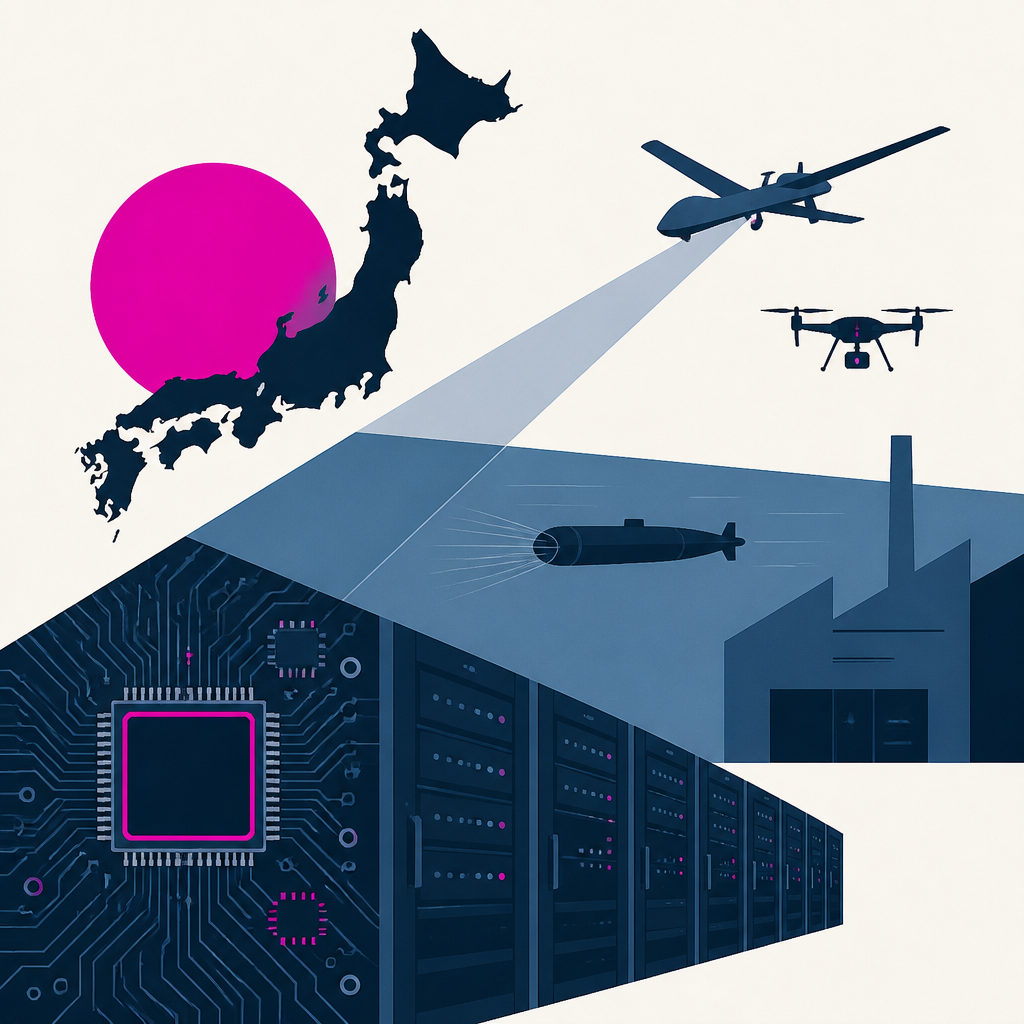 Japan doubled defense spending to counter China. Now it wants AI, underwater attack drones and government-owned weapons factories
Fortune ·
25
Japan doubled defense spending to counter China. Now it wants AI, underwater attack drones and government-owned weapons factories
Fortune ·
25
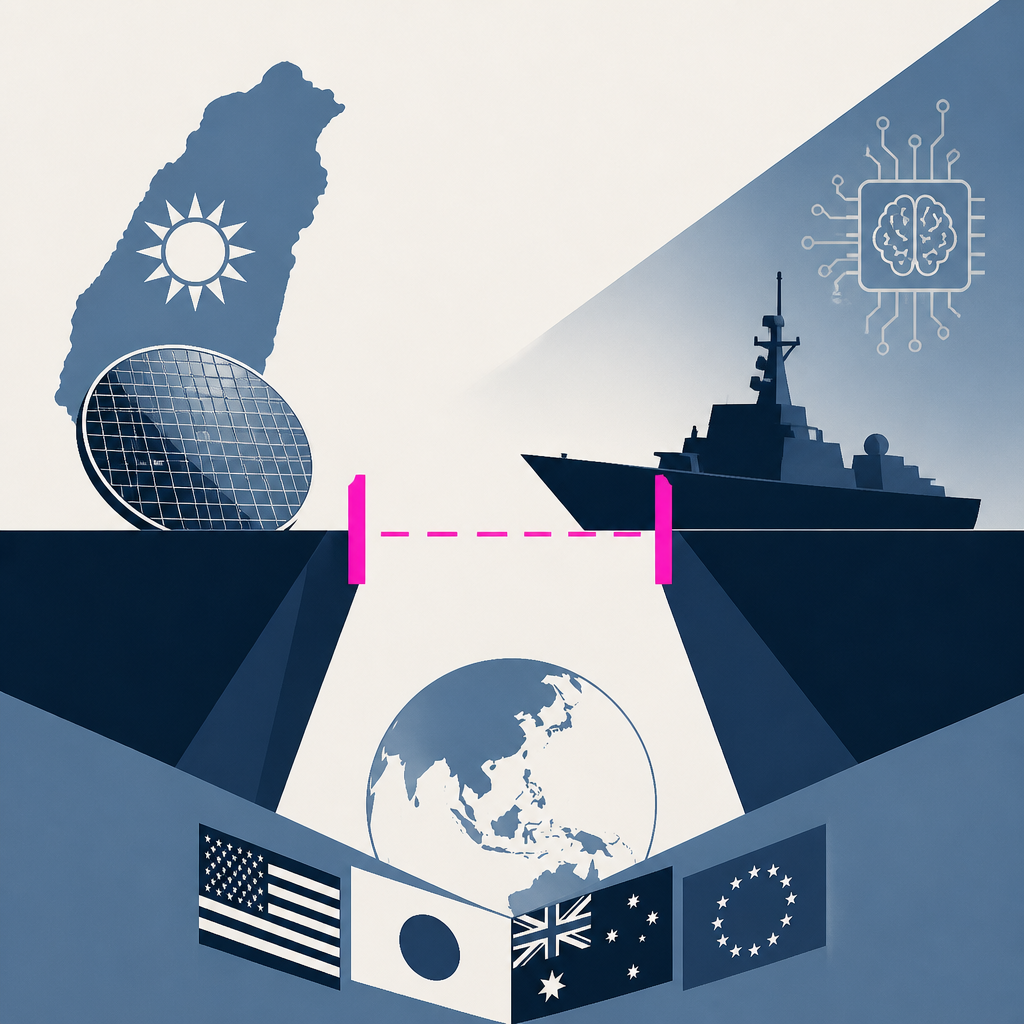 Taiwan’s Tech Hurdles Threaten Military Capability and Potential Coalition Defense
CSET Georgetown · 1 month ago ·
15
Taiwan leans on chip diplomacy as the US pushes for more factories on American soil
finance.yahoo.com · 1 week ago ·
7
Taiwan’s Tech Hurdles Threaten Military Capability and Potential Coalition Defense
CSET Georgetown · 1 month ago ·
15
Taiwan leans on chip diplomacy as the US pushes for more factories on American soil
finance.yahoo.com · 1 week ago ·
7