Enterprises are increasingly concerned about protecting their data from AI labs while facing high inference costs from closed-source models like OpenAI and Anthropic, leading some to propose using lower-cost open-source models trained on private data instead. Major AI labs including OpenAI, Anthropic, and xAI have stated that API usage is not used to train their models and some offer zero data retention plans, but enterprises remain skeptical of these assurances. As a result, companies like Microsoft are considering alternatives such as open-weight Chinese models or homegrown models to reduce dependency on AI labs that are simultaneously competing in software categories where enterprises operate.
NVIDIA Nemotron Labs promotes open AI models that enterprises can customize and control for domain-specific tasks, contrasting with closed proprietary models. Companies like Harvey achieved legal task accuracy matching frontier models at 10x lower cost, while Arcee AI reached inference costs of approximately 90 cents per million tokens, roughly 20x cheaper than comparable closed models. This shift enables organizations to build specialized AI applications tailored to their specific workflows and data rather than adapting their needs to existing general-purpose models.
Valantor acquired document intelligence company EyeLevel and launched its Enterprise Visual Intelligence platform to process unstructured data like PDFs, handwritten documents, and complex forms that large language models struggle to access. The company's GroundX platform processes visually complex documents through multi-pass orchestration, achieving 96% accuracy on policy questions for Air France-KLM and automating 85% of customer inquiries for AskVet. Organizations can now access the approximately 80% of corporate knowledge trapped in unstructured documents while maintaining data sovereignty and reducing processing costs by decomposing documents into smaller elements for cheaper AI models.
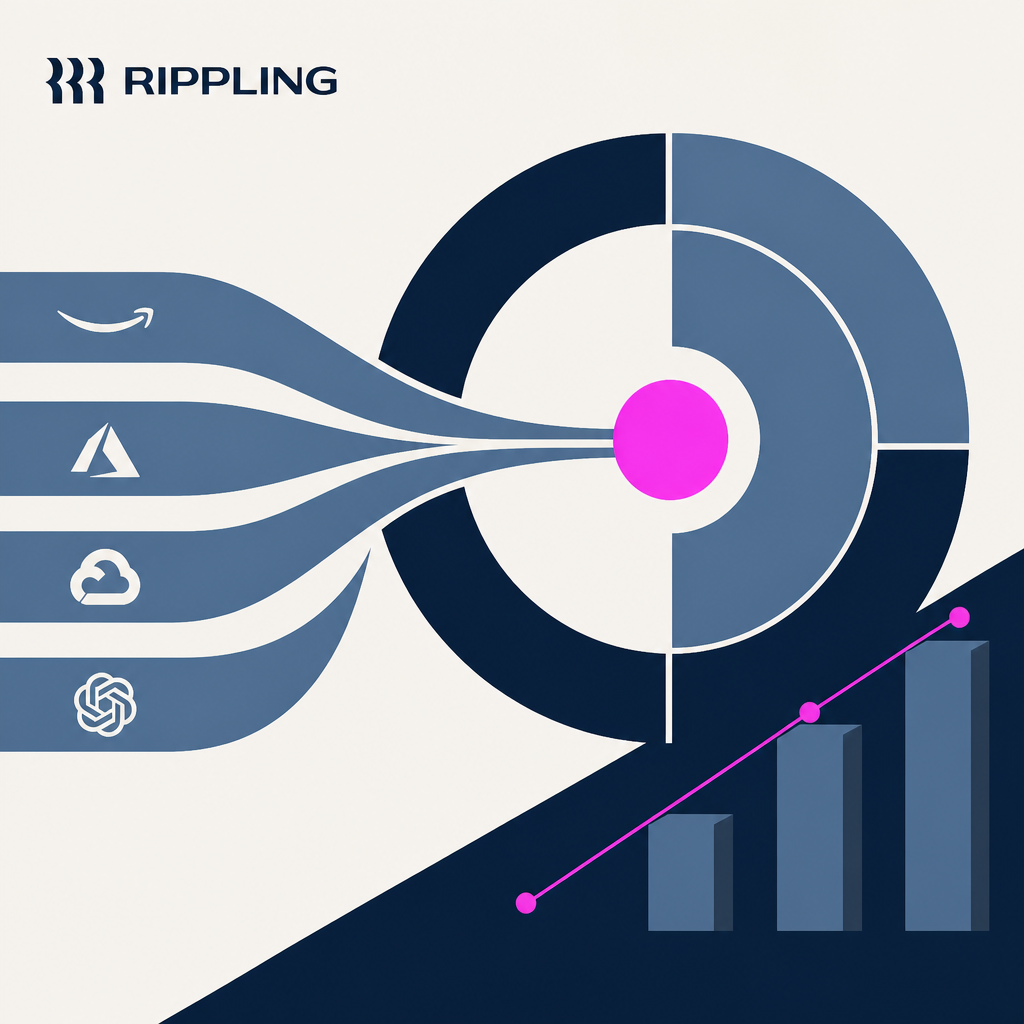
Rippling released an AI Spend Console tool that tracks artificial intelligence expenditures and links them to business metrics. The platform currently supports integration with major cloud providers and AI services to consolidate spending data in a single dashboard. Organizations can now monitor AI costs alongside their actual business impact, enabling better budget decisions.
CirclePanel launched as an end-to-end AI-native UX research platform for running user research studies. It shows 7 followers for the launch page. The result is a new self-serve option for planning, recruiting, and analyzing user research through an AI-native workflow.
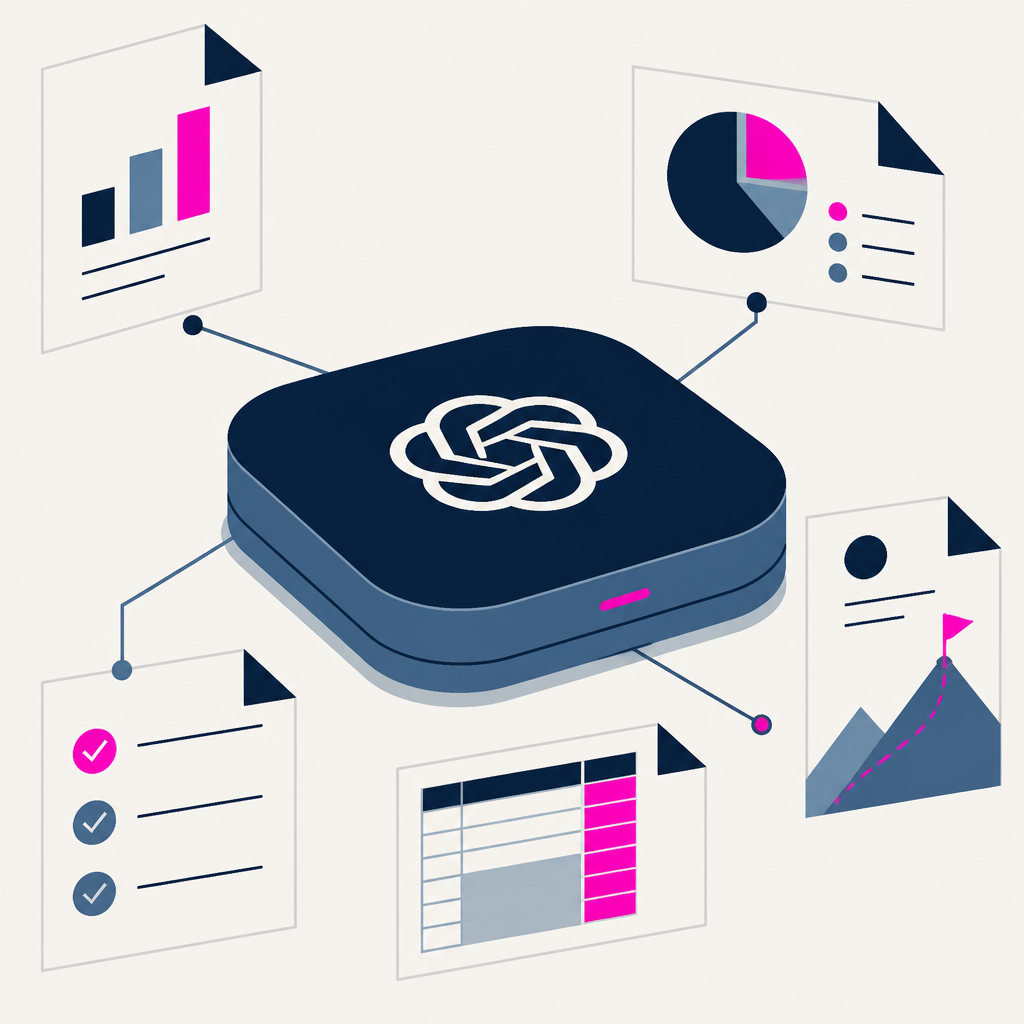
Sales teams can use ChatGPT Work to generate sales assets like pipeline briefs, meeting prep packets, forecast reviews, account plans, and stalled-deal diagnoses from their existing work inputs.
Every AI story that matters,
in your inbox by 8am.
TLDRocket reads all relevant sources, removes duplicate coverage, and summarises the
day in two minutes. Follow companies and topics for alerts, or get the
briefing in Slack. Free, no spam, unsubscribe anytime.
Reading TLDRocket needs no cookies, and the readership counts we rely on come from
our own cookieless analytics. Google Analytics is the exception: it sets cookies and
reports to Google, so it stays switched off until you allow it. You can change your
mind any time from “Cookie settings” in the footer.
Strictly necessary
Session security and form protection (tldrocket-session,
XSRF-TOKEN, 2 hours). The site cannot work without them,
so they need no consent.
Always on
Google Analytics 4 (_ga,
_ga_<id>, up to 2 years). Measures which
stories and sections readers use. Google acts as a third-party processor and may
store the data outside the EU. No advertising, no profiling, no data sold.