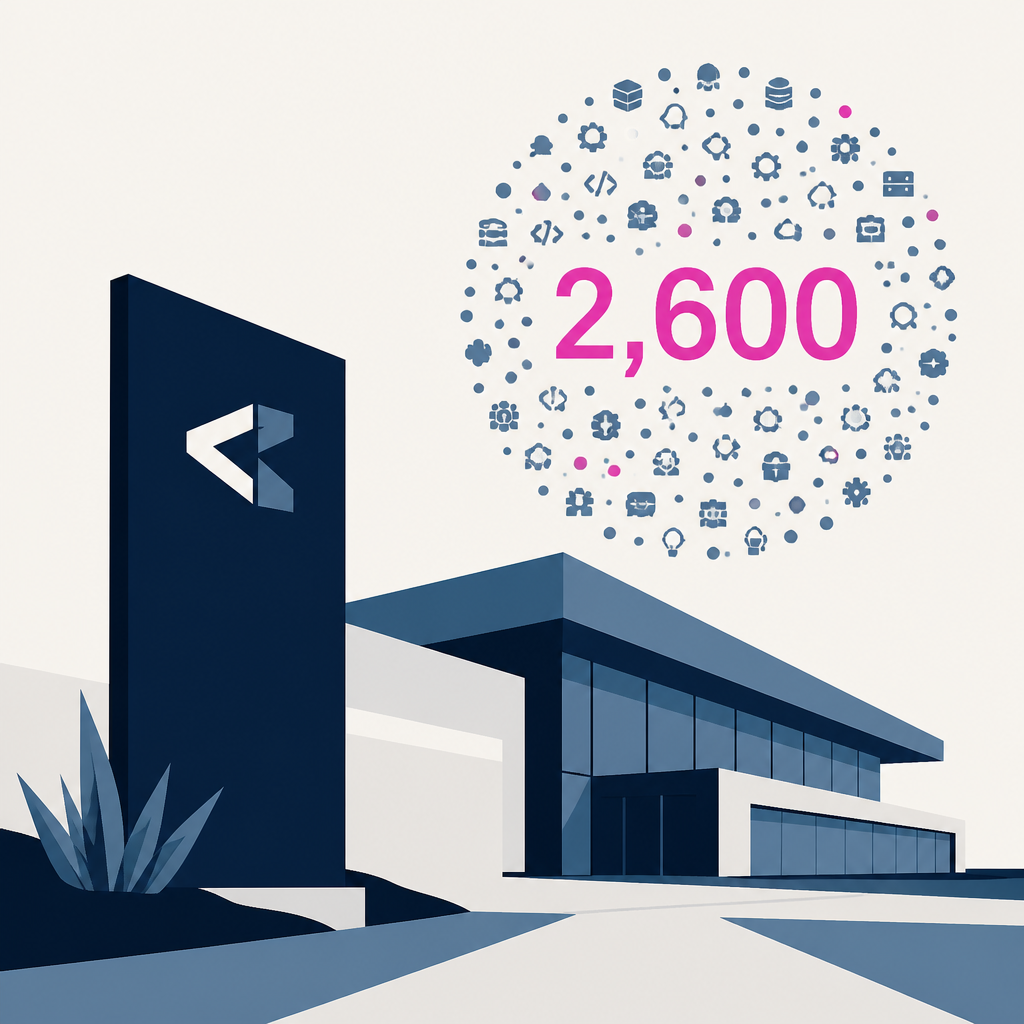
OpenRouter launched a tools listing with access to 2,600 APIs while charging 0% markup. The key detail is the 2,600 APIs available. As a result, developers can route tool/API calls through OpenRouter without a markup added to pricing.
Unsloth Desktop lets users run and train AI models locally on their own desktop. It focuses on local execution rather than a specific benchmark, price, or date. As a result, model training and running can happen on-device instead of relying on remote servers.
OpenAI launched a dedicated ChatGPT desktop app for Linux in preview after Linux was the only major desktop platform without one. It supports Ubuntu 24.04 LTS and 26.04 LTS, Debian 13, and Fedora 43 and 44. This adds ChatGPT, ChatGPT Work, and Codex to Linux users on supported distributions.
BearDrive is described as an open-source shared folder intended for a team’s AI agents. The page provides no specific benchmarks, dates, or pricing details. This mainly changes expectations by positioning the project as a shared workspace rather than a new model or research result.
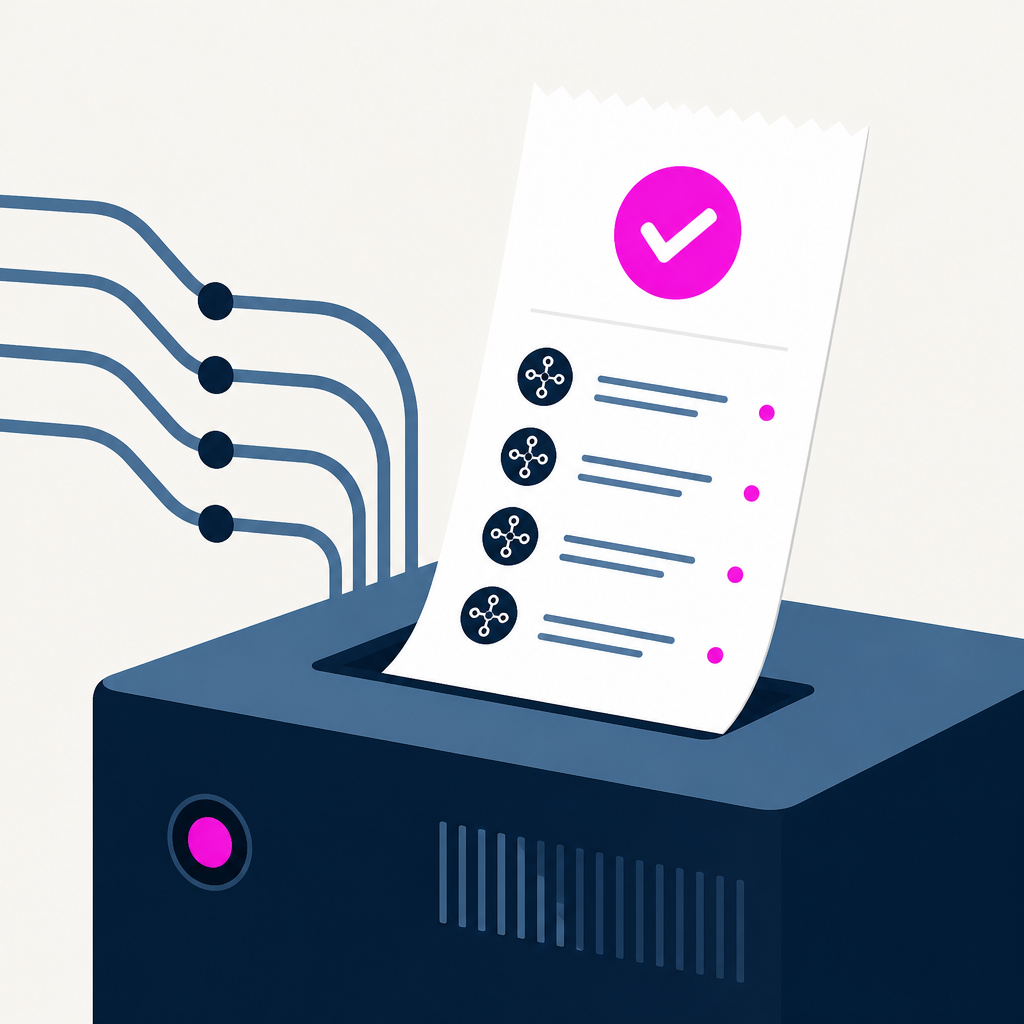
Inferock Bench claims to provide a receipt for LLM usage by creating an independent record for every LLM API call. The concrete detail is that the receipt is issued for each API call. As a result, LLM API activity becomes auditable on a per-request basis.
Ben’s Bites reports a set of updates aimed at making AI outputs more readable and more usable in daily workflows, including changes to OpenAI and Meta releases plus new AI tooling from several companies. OpenAI updated ChatGPT so paid users get GPT-5.6-Sol as the default while free users get unlimited chats with GPT-5.6-Luna. As a result, users get new model options in ChatGPT and more third-party developer tools for tasks like agent tracing analysis and structured document extraction.
Sidekick™ is presented as an “agentic interface” discussion or link. No dates or numbers are provided in the text given. As a result, there’s not enough information here to determine any concrete AI product change or outcome.
This page promotes running a fleet of AI agents across users’ own machines via a linked resource. No numbers, benchmarks, or dates are provided. As a result, readers are directed to a Discussion and Link for more details on how to set up and operate that agent fleet.
CodeBurn directs readers to see where their AI coding spend actually goes. The page is labeled a “Discussion” link, and it doesn’t provide any figures or dates in the text shown. No concrete change is described beyond pointing to that spending breakdown.
Palette, a Copenhagen AI software startup, raised €3 million in pre-seed funding to expand its platform for AI-native teams integrating AI agents into workflows across functions. The round brought in €3M led by Ugly Duckling Ventures, with backing from Emblem, Acadian Ventures, and angel investors. It plans to grow its sales team and further develop Palette Desktop and a broader Palette OS, including a company-owned context library, shared AI skills, and a connector gateway so models and tools can be switched and reused while keeping organizational data.
Palette, a Copenhagen startup, raised €3 million in pre-seed funding led by Ugly Duckling Ventures to build a model-neutral “context layer” for teams. The company says its Palette Desktop lets teams use any AI agent on files stored in Google Drive, OneDrive, or Dropbox. The funding will be used to convert design partners into paying customers as more companies move toward AI-native workflows without locking into a single model vendor.
LaraCopilot is presented as an agentic AI engineer for building real apps and is shared as a discussion link. No number, price, or date is provided. As a result, the page functions mainly as a prompt to discuss the concept, with no concrete release details.
Media Sharing describes a way for AI agents to attach screenshots and videos to pull requests. The concrete change mentioned is that screenshots and videos can be added directly to pull requests. As a result, reviewers get richer context inside PR discussions without manual media uploading (details beyond that are not provided).
Every AI story that matters,
in your inbox by 8am.
TLDRocket reads all relevant sources, removes duplicate coverage, and summarises the
day in two minutes. Follow companies and topics for alerts, or get the
briefing in Slack. Free, no spam, unsubscribe anytime.
Reading TLDRocket needs no cookies, and the readership counts we rely on come from
our own cookieless analytics. Google Analytics is the exception: it sets cookies and
reports to Google, so it stays switched off until you allow it. You can change your
mind any time from “Cookie settings” in the footer.
Strictly necessary
Session security and form protection (tldrocket-session,
XSRF-TOKEN, 2 hours). The site cannot work without them,
so they need no consent.
Always on
Google Analytics 4 (_ga,
_ga_<id>, up to 2 years). Measures which
stories and sections readers use. Google acts as a third-party processor and may
store the data outside the EU. No advertising, no profiling, no data sold.