GitWarren launched as a local, PR-like code review app that lets you review working-tree changes and add inline threaded comments without pushing code anywhere. It focuses on using MCP to connect to whatever AI you’re using. This adds an AI-integrated way to do review workflows directly in git changes rather than through external, share-and-copy review tools.
Experiential Labs launched Experiential, an open source gateway for BYOK that is self-hosted and connects to 1000+ marketplace models. It uses your traffic to reduce costs, recommend models, and train a specialized model you own. This changes the setup by adding an in-house routing and optimization layer for selecting and training models based on observed usage.
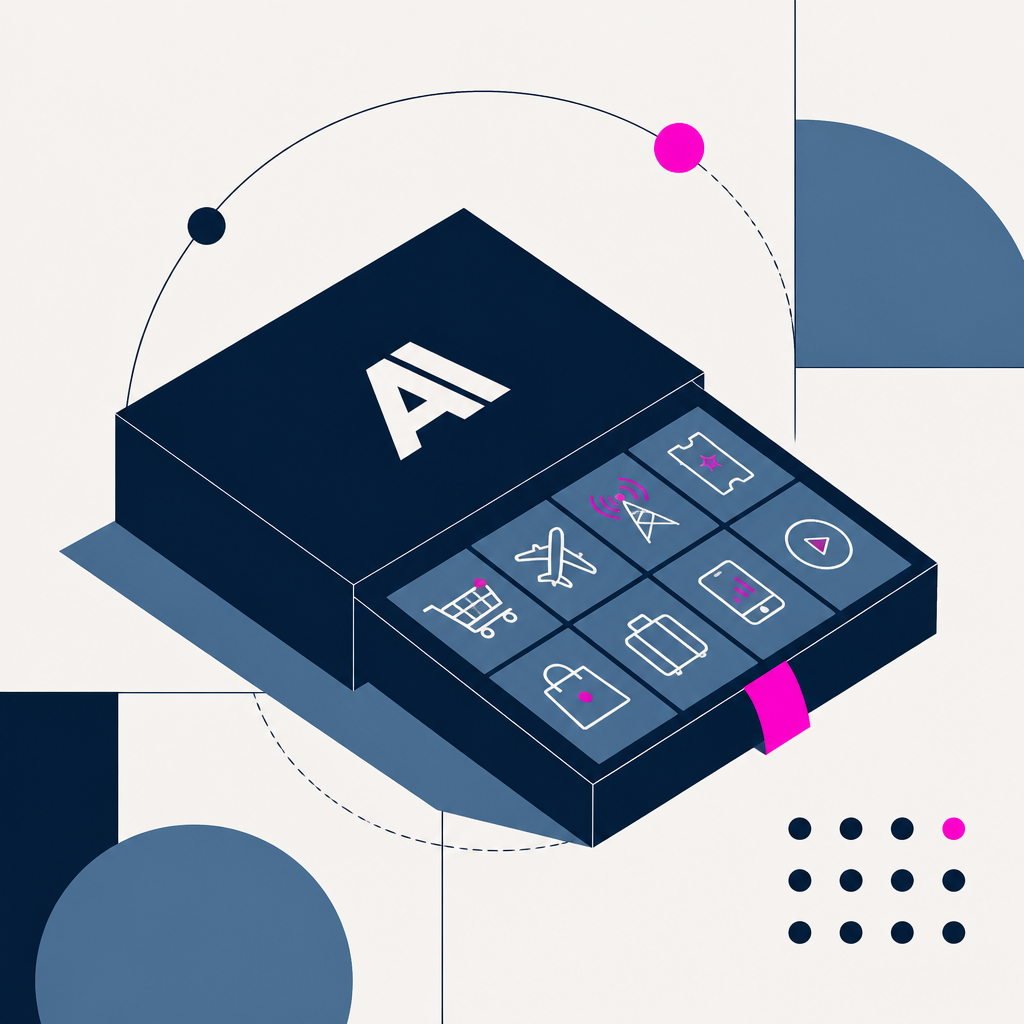
Anthropic released an Apache-2.0 code blueprint for Claude commerce agents that implement both shopping and merchant agent loops, including runnable verticals for retail, travel, telecom, and entertainment. The repository runs locally on Python 3.11+ and Node 22 and uses an ANTHROPIC_API_KEY. Teams can now deploy the same reference architecture across multiple Claude-hosting platforms with typed UI components, skill-based modularity, and prompt caching aimed at 90–99% hit rates.
Clockwork launched to let users schedule AI coding agents on a real calendar that run unattended in sandboxed git worktrees on a Mac. It offers up to 2 years free for startups. The workflow shifts from on-demand agent runs to recurring scheduled jobs with approvals for risky actions and dollar-cost reports.
Clueprint, a macOS native menu-bar app, launches to show and manage artifacts left by Claude Code or Codex sessions, like dev servers, Docker stacks, and git worktrees. It is launching today. It groups items by project and branch and can clean up only what it can verify as safe, moving them to the Trash rather than deleting them.
Modaal launched “Modaal for Android” to build native iOS and Android apps from a single project using its AI agent. The launch is dated “Launching today.” It changes development by producing real Swift/SwiftUI for iPhone and real Kotlin/Jetpack Compose for Android, sharing logic across both app store submissions from one workflow.
Chalked prepares a draft reply on macOS by using the thread on screen, your live calendar, and sourced facts you have already accepted. It offers Zendesk for Startups with up to 2 years free plus AI Agents and Copilot. As a result, users can insert, revise, and send a suggested message instead of writing the reply from scratch.
Pushary launched a lock-screen control panel for AI agents so permission prompts and answer requests can be approved or handled remotely. The new launch adds native iPhone and Android apps and is 8 MB to download. It centralizes approvals and task alerts from multiple agent tools into one inbox with per-tool auto-approval policies and an audit trail.
Idlen launched a service that inserts ads into the time an AI model is thinking while you work in an IDE or browser. Pay €200 and get €400 this week to promote a developer tool in the IDE and browser. Developers and tool makers can use it without a key, with ads either optional for chat app installs or integrated for promotion, while the company says it does not read prompts.
Coding agents using separate sessions across machines lose prior context because their reasoning and trace logs aren’t automatically usable in later runs. On the handoff-vs-recall benchmark, recall was 8x cheaper than a written handoff on one task and 4x on the other. The funes tool adds a durable, locally computed memory layer that indexes prior agent turns and lets agents retrieve the original passages with provenance across sessions, agents, and machines.
Every AI story that matters,
in your inbox by 8am.
TLDRocket reads all relevant sources, removes duplicate coverage, and summarises the
day in two minutes. Follow companies and topics for alerts, or get the
briefing in Slack. Free, no spam, unsubscribe anytime.
Reading TLDRocket needs no cookies, and the readership counts we rely on come from
our own cookieless analytics. Google Analytics is the exception: it sets cookies and
reports to Google, so it stays switched off until you allow it. You can change your
mind any time from “Cookie settings” in the footer.
Strictly necessary
Session security and form protection (tldrocket-session,
XSRF-TOKEN, 2 hours). The site cannot work without them,
so they need no consent.
Always on
Google Analytics 4 (_ga,
_ga_<id>, up to 2 years). Measures which
stories and sections readers use. Google acts as a third-party processor and may
store the data outside the EU. No advertising, no profiling, no data sold.