ICE plans to pay LexisNexis millions for continued access to data intended to be used with a Palantir platform for screening, vetting, lead development, and criminal analysis.
Mark Zuckerberg outlined Meta’s idea for an always-on AI assistant he describes as “personal superintelligence” that supports him while he sleeps, trains, and bakes with his 8-year-old daughter. The essay says it “monitors my sleep” and then provides training feedback. The proposal pushes Meta’s AI positioning toward intimate home and child-related use cases while increasing scrutiny around privacy and child safety.
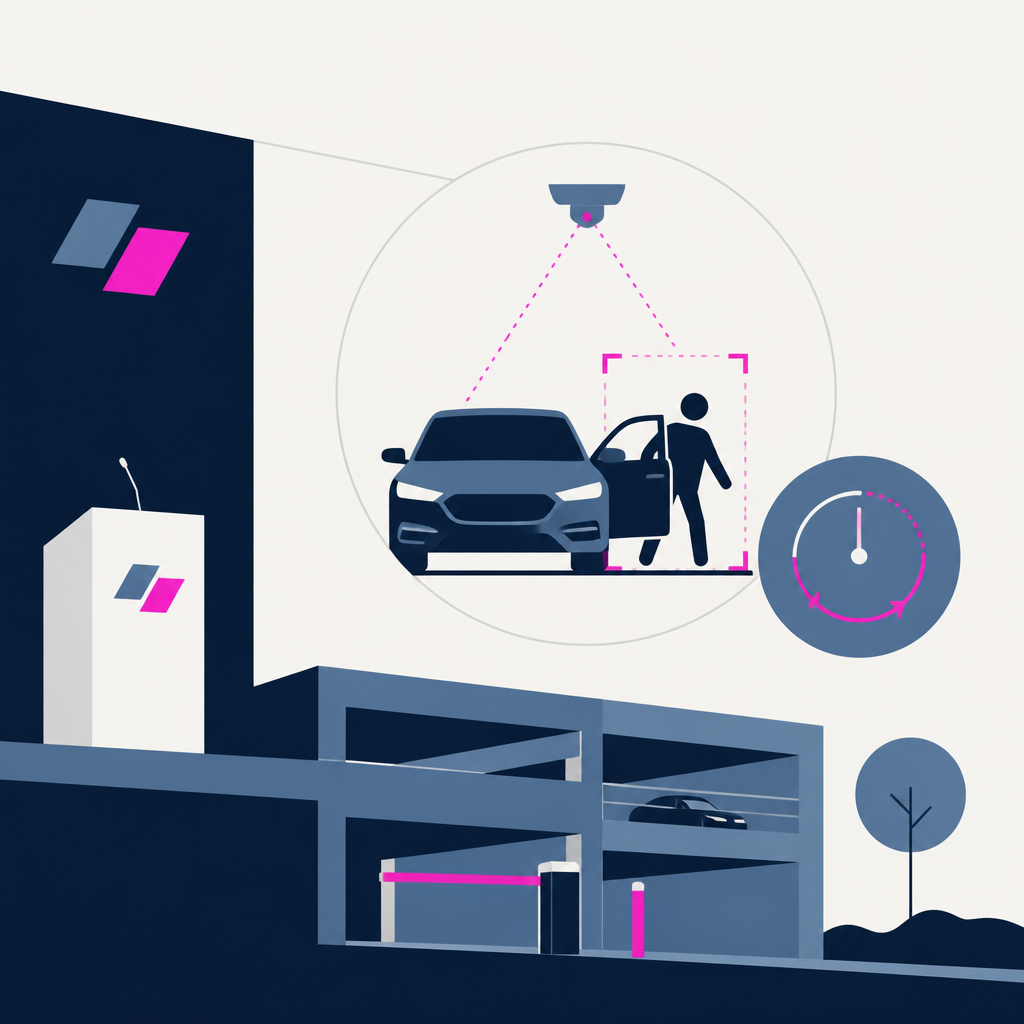
NEC is testing parking technology with UrbanChain that starts parking charges only after a driver pulls up and exits their car, using cameras and real-time video analysis. In September, the companies will test how many cameras are needed to make the approach feasible. If it works, car parks would stop charging based on entry and instead bill at exit, potentially enabling additional monitoring like exit counts and extended-occupant detection.
Veeam is urging organizations to treat cyber resilience as an AI resilience strategy focused on recovering quickly when prevention fails as AI agents expand attack surfaces and data risk. The company emphasizes that recovery must be verified through testing rather than relying on hope, and it highlights “recovery verification tools” as the concrete mechanism. The approach shifts security and governance toward verified recovery and stronger data hygiene, including making garbage-collection/data-quality practices a mandate to reduce incorrect inputs driving wrong AI outcomes.
Every AI story that matters,
in your inbox by 8am.
TLDRocket reads all relevant sources, removes duplicate coverage, and summarises the
day in two minutes. Follow companies and topics for alerts, or get the
briefing in Slack. Free, no spam, unsubscribe anytime.
Reading TLDRocket needs no cookies, and the readership counts we rely on come from
our own cookieless analytics. Google Analytics is the exception: it sets cookies and
reports to Google, so it stays switched off until you allow it. You can change your
mind any time from “Cookie settings” in the footer.
Strictly necessary
Session security and form protection (tldrocket-session,
XSRF-TOKEN, 2 hours). The site cannot work without them,
so they need no consent.
Always on
Google Analytics 4 (_ga,
_ga_<id>, up to 2 years). Measures which
stories and sections readers use. Google acts as a third-party processor and may
store the data outside the EU. No advertising, no profiling, no data sold.