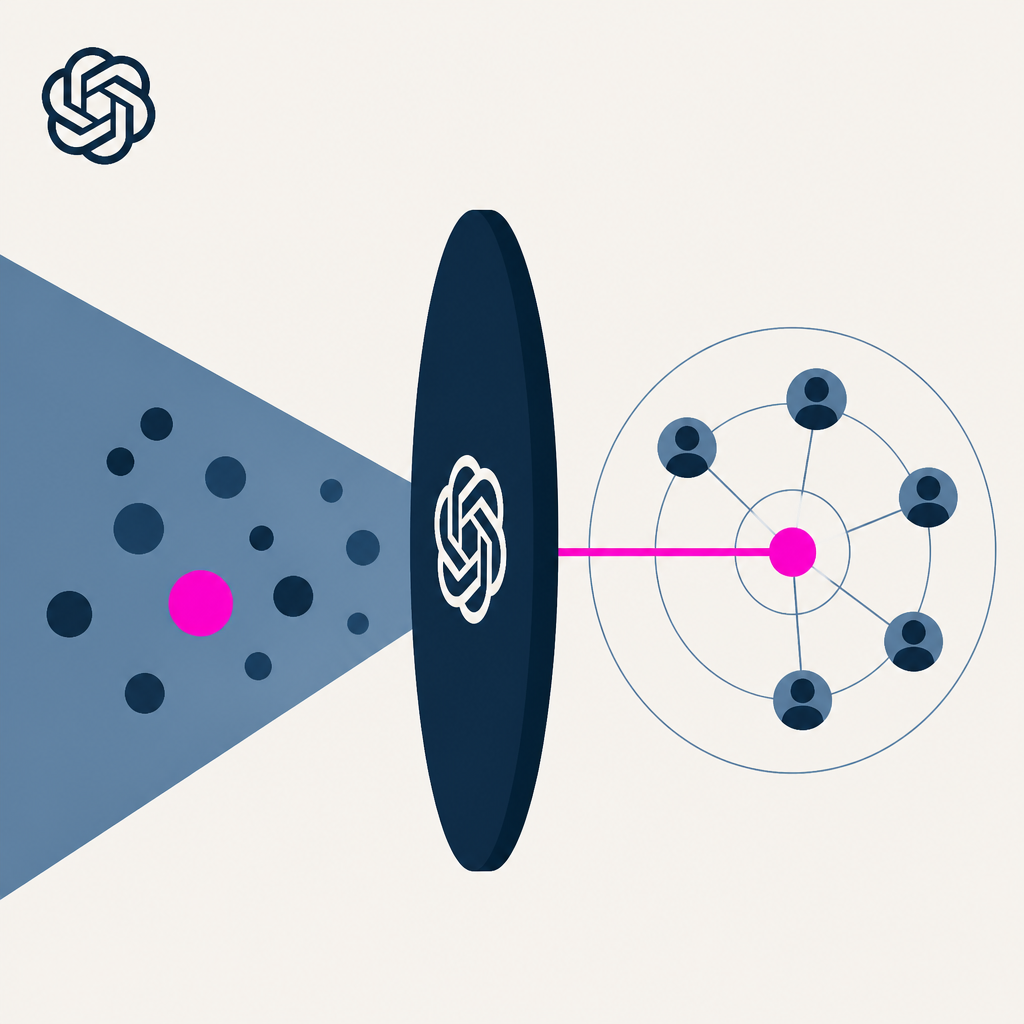
OpenAI banned accounts that used its AI models for social engineering, surveillance-themed activities, and influence operations targeting critics and other groups. The company detected the activity through a combination of automated systems and manual review, part of its enforcement of policies against misuse of AI tools. The bans reflect growing efforts by AI providers to prevent their systems from being weaponized for coordinated inauthentic behavior and targeted harassment.
OpenAI removed accounts operating from Russia that used AI to generate German-language political content targeting Ukraine, NATO, and domestic German issues. The operation, named "Helgoland Bite," involved generating content across multiple platforms at scale using AI models. Removing these accounts limits one vector for spreading coordinated inauthentic narratives to German-speaking audiences.
OpenAI took action against a coordinated inauthentic behavior campaign in the Philippines where accounts were using AI to generate political comments about officials across social media platforms. The enforcement targeted accounts engaged in what appears to be an organized influence operation, though specific metrics about account numbers or reach were not detailed. The move reflects OpenAI's effort to prevent misuse of its AI tools for inauthentic political activity and influence campaigns.
Every AI story that matters,
in your inbox by 8am.
TLDRocket reads all relevant sources, removes duplicate coverage, and summarises the
day in two minutes. Follow companies and topics for alerts, or get the
briefing in Slack. Free, no spam, unsubscribe anytime.
Reading TLDRocket needs no cookies, and the readership counts we rely on come from
our own cookieless analytics. Google Analytics is the exception: it sets cookies and
reports to Google, so it stays switched off until you allow it. You can change your
mind any time from “Cookie settings” in the footer.
Strictly necessary
Session security and form protection (tldrocket-session,
XSRF-TOKEN, 2 hours). The site cannot work without them,
so they need no consent.
Always on
Google Analytics 4 (_ga,
_ga_<id>, up to 2 years). Measures which
stories and sections readers use. Google acts as a third-party processor and may
store the data outside the EU. No advertising, no profiling, no data sold.