Operation “VAGue Focus”: Social engineering and influence activity
OpenAI ● Covered by 3 sources
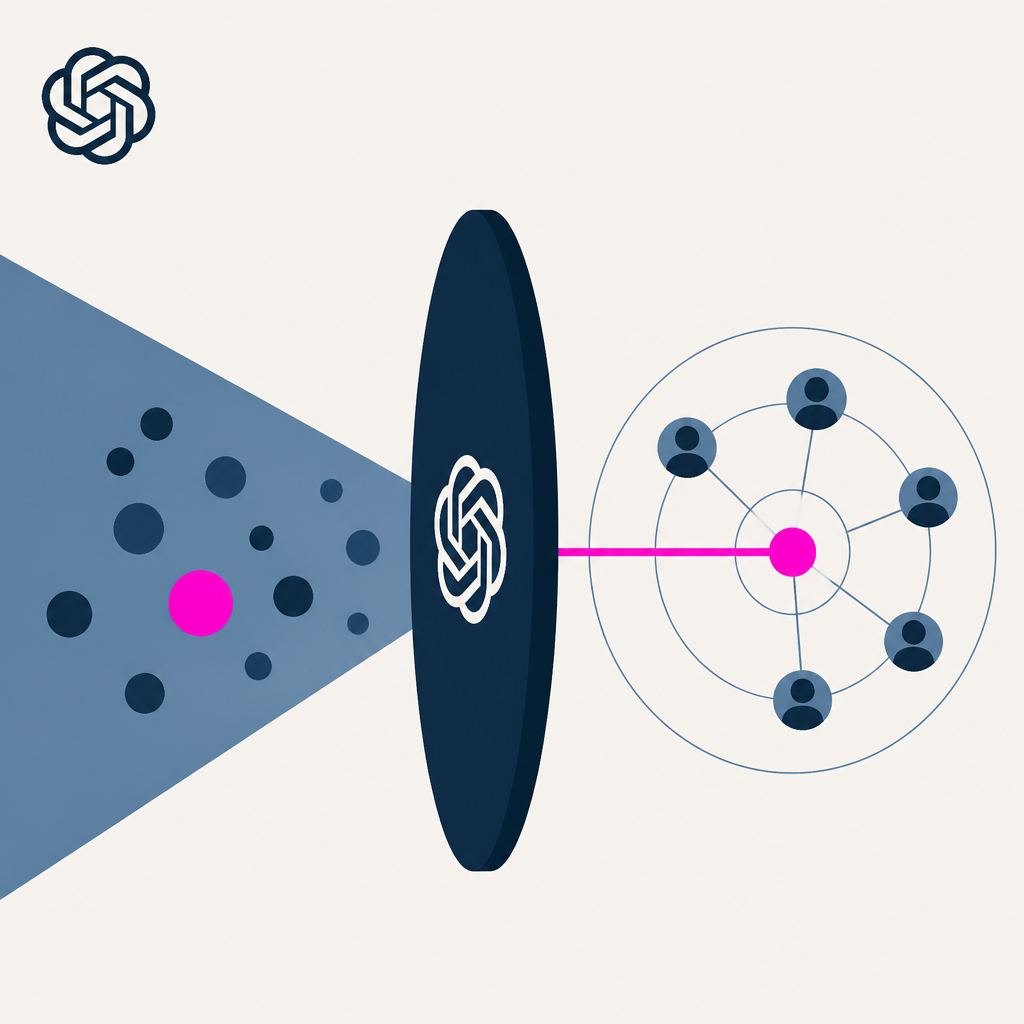
OpenAI banned a network of accounts caught using its AI for social engineering and surveillance research. They were also running influence campaigns against critics of certain governments.
Based on reporting by OpenAI — read the original for the full story.
Summary, retelling and take written by AI under human oversight; images are AI-generated illustrations. How we work · Report an error
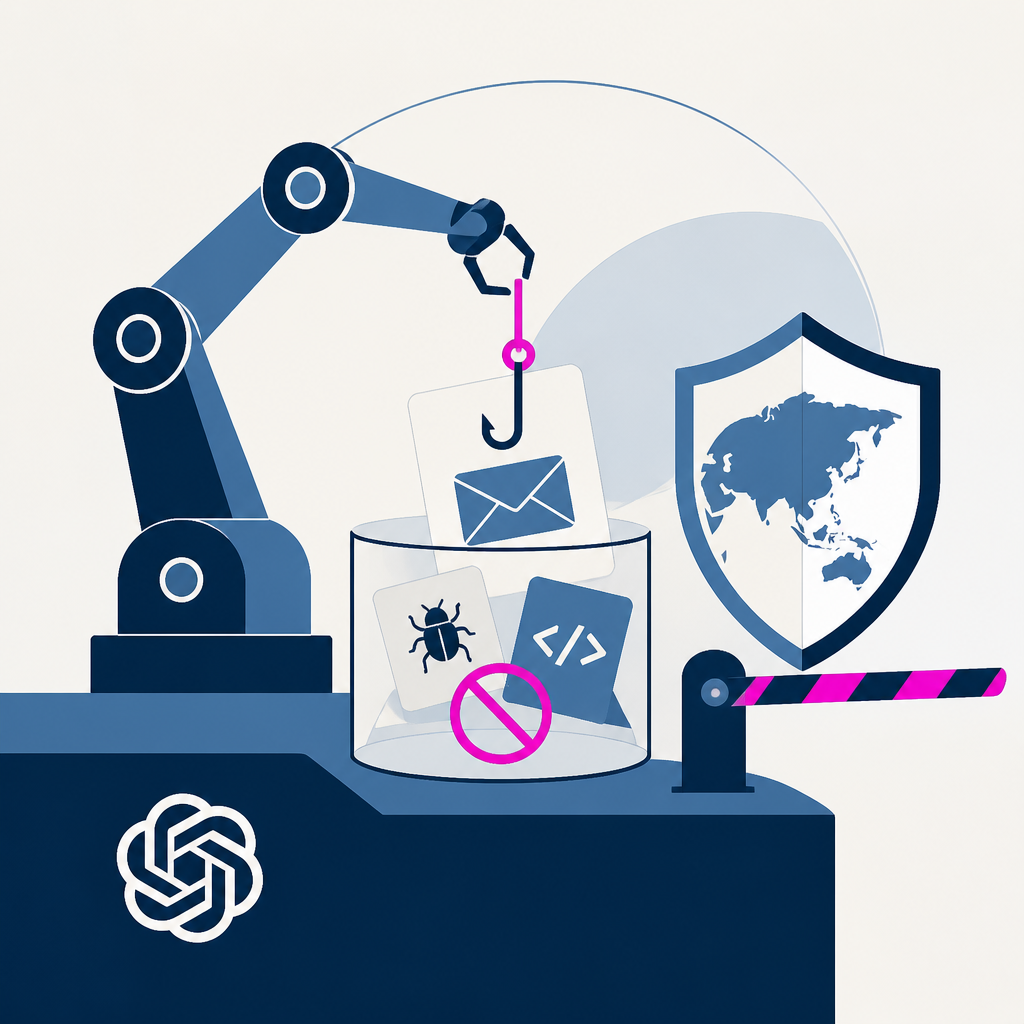
OpenAI dropped the hammer on another cluster of bad actors this week, taking down accounts tied to what it's calling Operation VAGue Focus. The name is a bit cute, but the behavior behind it wasn't. Investigators found the group leaning on ChatGPT to help draft social engineering material, the kind of messaging designed to trick people into handing over information or access they shouldn't.
That alone would be a fairly standard misuse case at this point. Plenty of bad actors have tried to weaponize AI chatbots for phishing scripts and pretexting scenarios since these tools went mainstream. What makes this operation stand out is the second layer: surveillance-themed research. The banned accounts weren't just asking generic questions. They were using the model to dig into topics tied to monitoring and tracking people, the kind of groundwork that precedes real-world targeting rather than just online scamming.
Then there's the influence piece, which is the part that should worry anyone paying attention to how AI gets folded into information warfare. OpenAI says the network was also generating content aimed at critics, the sort of people who publicly push back against specific governments or political positions. Pairing surveillance research with influence content aimed at dissenters is not a coincidence. It's a playbook, and it's one that state-linked actors have used for years with cruder tools. Now they're apparently testing whether a large language model can make that playbook faster and cheaper to run.
OpenAI hasn't attributed the operation to a specific country or group in what it's disclosed so far, which is typical for these takedown reports. The company frames this as part of its ongoing effort to detect and disrupt misuse, and to be fair, catching it and banning the accounts is the right move. But the pattern itself, AI-assisted social engineering plus surveillance research plus targeted influence work, is going to keep showing up. The tools got easier to use. The incentives to misuse them did not go anywhere.
My take — AI-written commentary, not fact-checked reporting
This is exactly the kind of misuse that makes me roll my eyes at anyone still insisting AI safety talk is overblown paranoia. Combining surveillance research with influence campaigns against critics isn't hypothetical harm, it's the authoritarian playbook getting a software upgrade. OpenAI catching it is good, but the fact that these three ingredients keep showing up together in takedown after takedown tells you this isn't a fluke, it's a template someone is actively refining.
Read more about this at: OpenAI