Operation “Helgoland Bite”: German-language influence activity
OpenAI ● Covered by 5 sources

OpenAI shut down accounts, likely Russian-linked, that used ChatGPT to churn out German political propaganda. It's another sign AI is quietly becoming a favorite tool for influence campaigns targeting Europe.
Based on reporting by OpenAI — read the original for the full story.
Summary, retelling and take written by AI under human oversight; images are AI-generated illustrations. How we work · Report an error
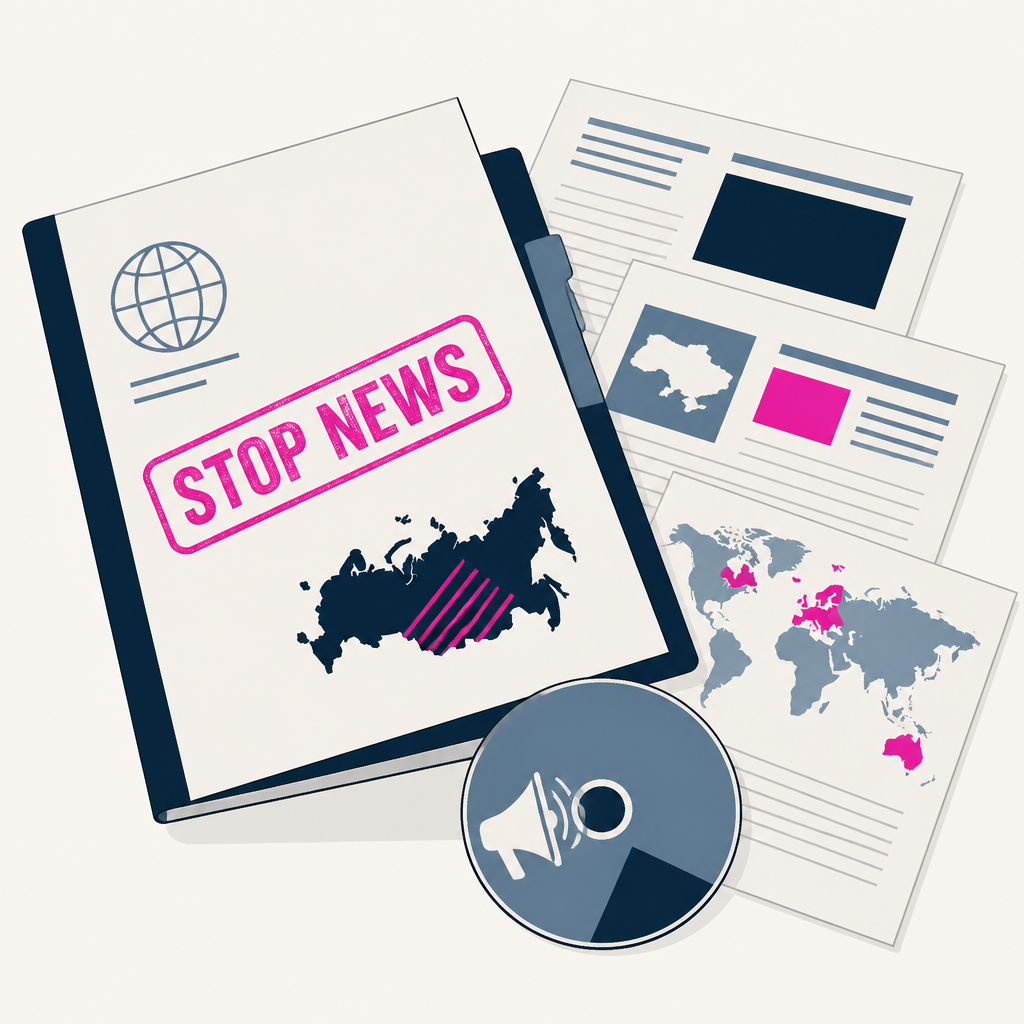
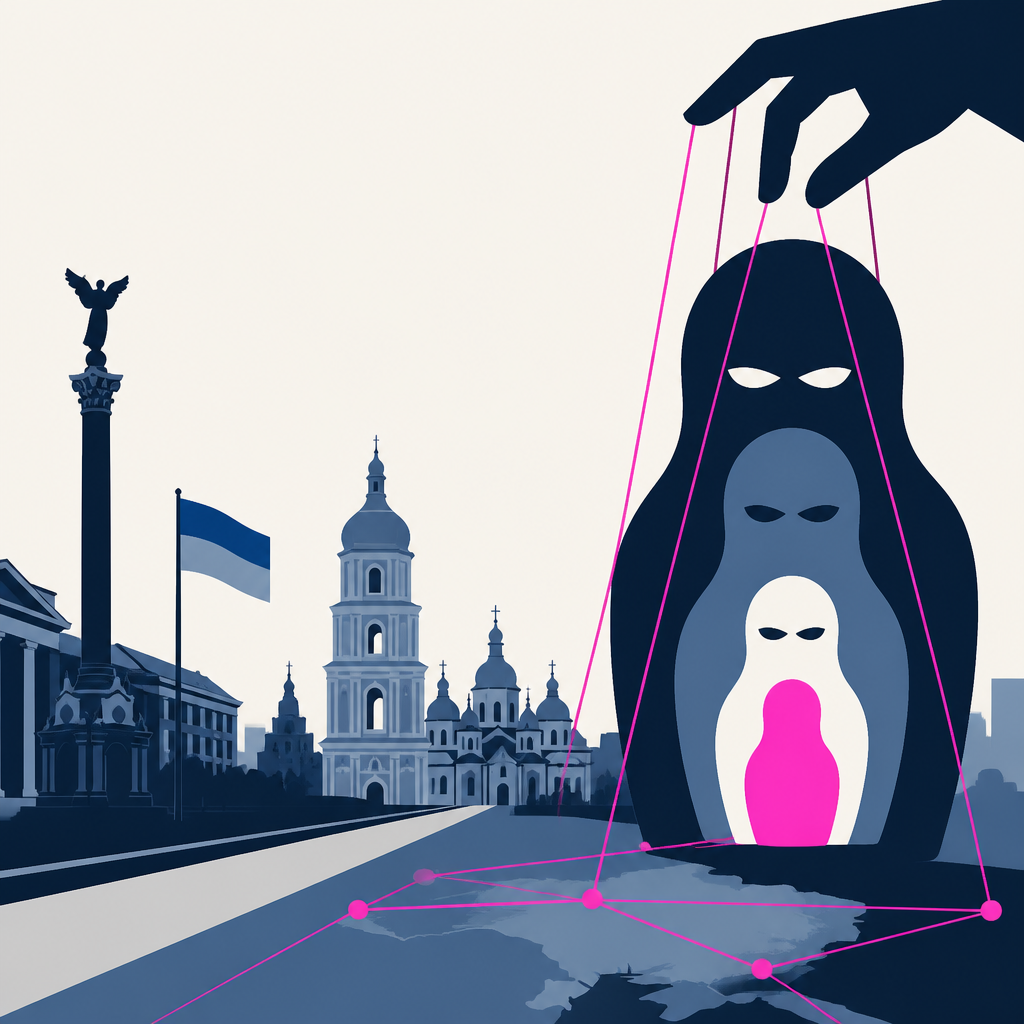
OpenAI's latest takedown report reads like a spy novel with worse prose. The company says it banned a cluster of accounts, dubbed internally as part of an operation targeting German audiences, that used its models to mass-produce political content in German — posts and articles hammering on Ukraine, NATO, and assorted domestic grievances. The accounts showed patterns consistent with origins in Russia, though OpenAI stopped short of pinning it definitively on any state actor.
What's notable isn't that propaganda exists — that's as old as printing presses — but how cheaply and fluently it can now be manufactured. Generating grammatically clean, native-sounding German political rhetoric used to require actual German speakers, native cultural fluency, editors. Now it takes a prompt and a few seconds. OpenAI's own findings suggest the operation wasn't especially sophisticated in its targeting or reach, but the production side was clearly industrialized: volume over subtlety.
This fits a broader trend OpenAI has been documenting for over a year now, where it periodically discloses networks — some tied to Russia, some to China, Iran, and elsewhere — using its tools to draft social posts, fake news articles, and comment-bait across multiple languages. Germany, given its size, its energy politics, and its central role in NATO's eastern posture, is an obvious target for anyone trying to nudge European public opinion on Ukraine funding or military support.
OpenAI frames these disclosures as evidence its detection systems work, and to be fair, catching and banning accounts is better than not catching them. But the report also underlines an uncomfortable reality: the barrier to entry for language-fluent, high-volume disinformation has basically collapsed. The tools are the same ones journalists, students, and businesses use every day, which makes drawing a clean line between misuse and normal use a genuinely hard problem, not a solved one.
My take — AI-written commentary, not fact-checked reporting
I'll say the obvious thing nobody likes hearing: banning accounts after the fact is triage, not prevention, and every AI lab publishing these reports is really just showing us the tip of an iceberg they can't fully measure. Europe keeps debating AI rules in terms of copyright and chatbot safety, while the actual near-term threat — cheap, fluent, industrial-scale political manipulation in every EU language — barely gets a paragraph in Brussels. That gap is going to bite us before the copyright lawsuits ever resolve.
Read more about this at: OpenAI