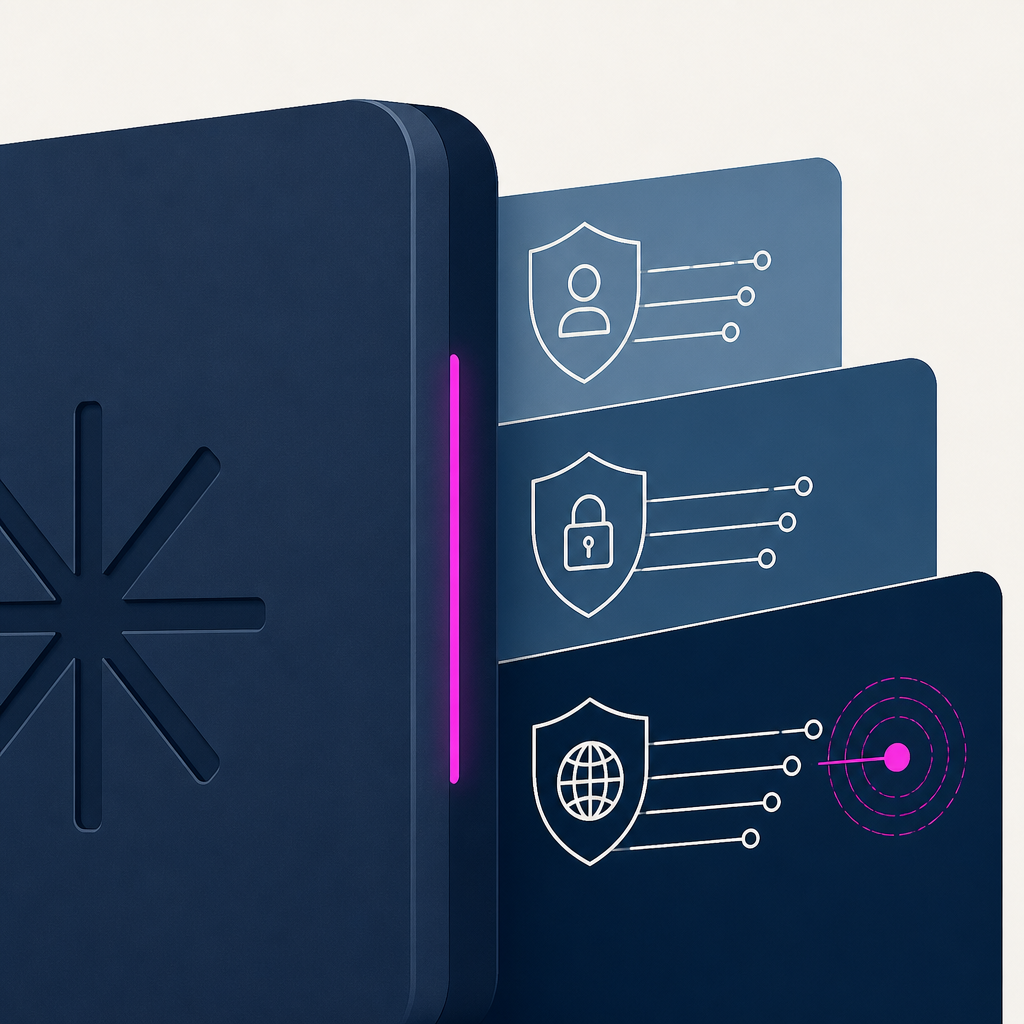
Anthropic expanded its Cyber Verification Program by consolidating Project Glasswing and the CVP into three access tiers for qualifying security professionals, offering advanced Claude model access with tier-specific cyber safeguards. It reports that on CyScenarioBench, the Defense Access tier blocked 46 of 50 tasks for Claude Opus 5.5, while the Red Team Access tier completed 34 of 50 tasks with no blocks. The change increases eligibility and access for defenders—while requiring verification, data retention (until EFS later this fall), and different controls to limit misuse.
Scrimshaw Jukebox used Claude Opus 5.5 to generate computer game music in a text-based format and created an artifact to play it aloud. The write-up says the music was aimed at matching the quality of the original Secret of Monkey Island. It changes by showing the output can be surprisingly good, prompting questions about whether music composition is a recent new capability of text models.
Thoughts from San Francisco reflects on how different groups use AI and argues that personal AI agents are not yet ready, even as the author cites new agent-related product updates. The article highlights a rollout in the next two weeks for Google Docs opening Markdown files without converting them. It shifts emphasis toward building blocks (speed, interfaces, side threads, visible memory) and expecting more devices/surfaces plus shared “factories” rather than personal agents as the end goal.
Every AI story that matters,
in your inbox by 8am.
TLDRocket reads all relevant sources, removes duplicate coverage, and summarises the
day in two minutes. Follow companies and topics for alerts, or get the
briefing in Slack. Free, no spam, unsubscribe anytime.
Reading TLDRocket needs no cookies, and the readership counts we rely on come from
our own cookieless analytics. Google Analytics is the exception: it sets cookies and
reports to Google, so it stays switched off until you allow it. You can change your
mind any time from “Cookie settings” in the footer.
Strictly necessary
Session security and form protection (tldrocket-session,
XSRF-TOKEN, 2 hours). The site cannot work without them,
so they need no consent.
Always on
Google Analytics 4 (_ga,
_ga_<id>, up to 2 years). Measures which
stories and sections readers use. Google acts as a third-party processor and may
store the data outside the EU. No advertising, no profiling, no data sold.