Congress spent approximately $100,580 on ChatGPT during the fiscal year ending March 31, 2026, representing 90% of all AI tool spending by House offices and committees. OpenAI's ChatGPT dominated with $100,580 in spending across 798 transactions, while Anthropic's Claude came second with $13,160 across 37 transactions. Congressional staffers are using these tools to draft legislation analysis, constituent responses, hearing materials, and social media posts.
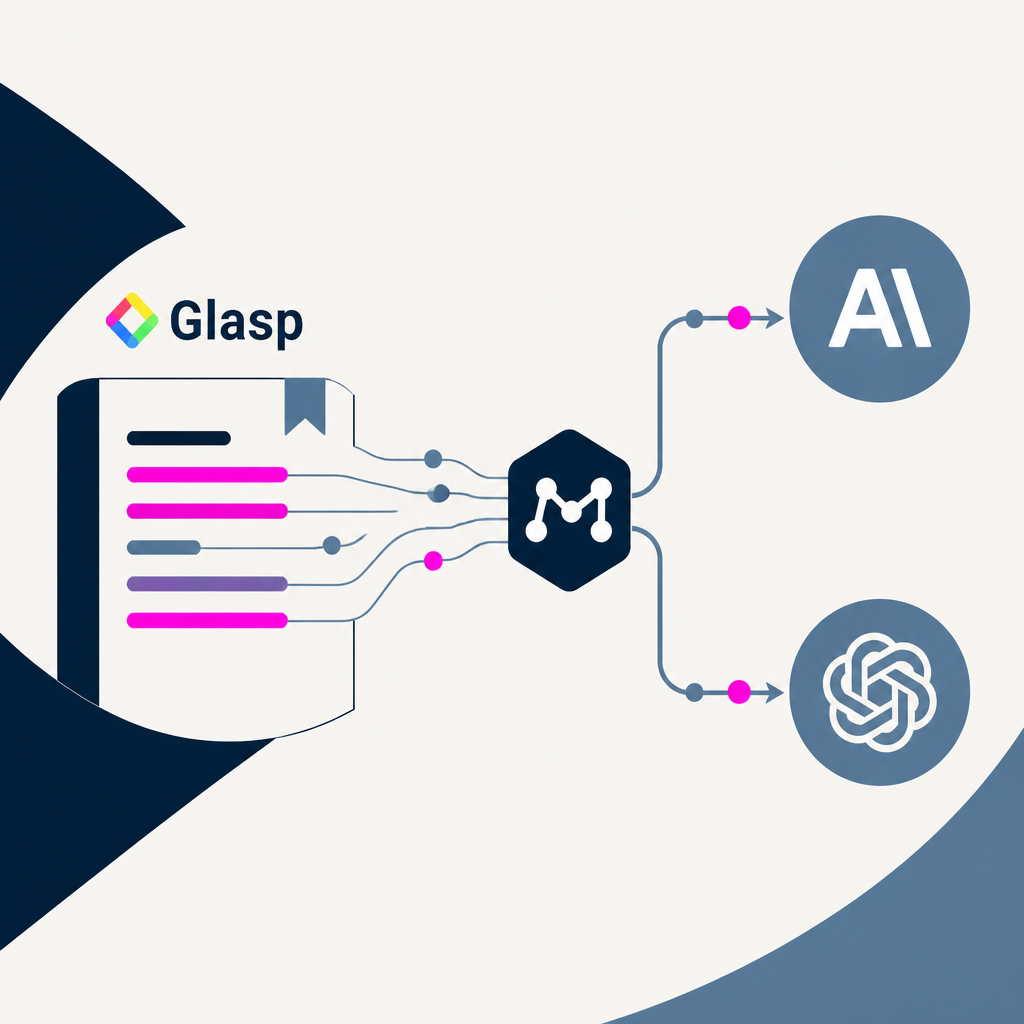
Glasp released an MCP (Model Context Protocol) connector that lets users search their highlights and notes within Claude and ChatGPT. The connector integrates Glasp's annotation tool directly into both AI chatbots via the Model Context Protocol standard. Users can now query their saved highlights without leaving their chat interface.
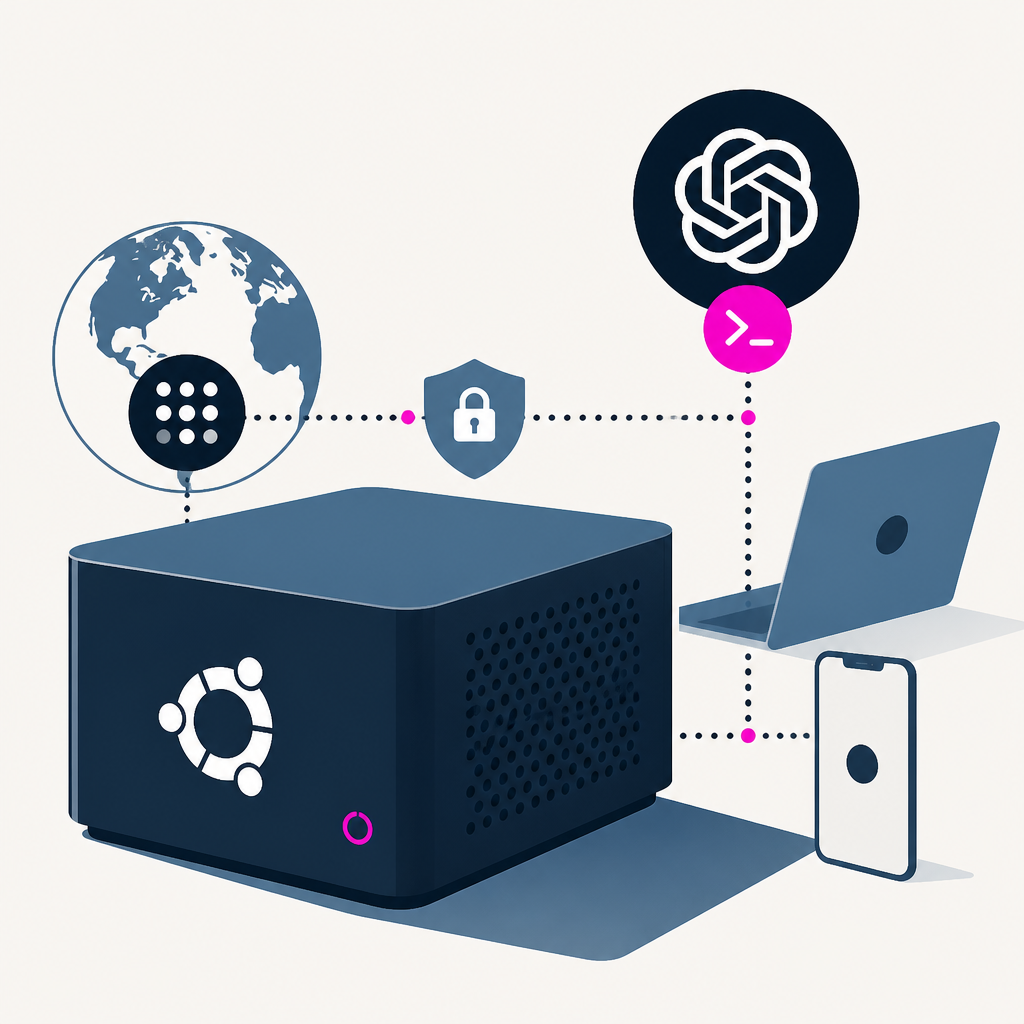
A developer shares their Linux VM and Tailscale-based setup for running AI coding agents autonomously, combining remote VM access with ChatGPT's native SSH support for seamless work across devices. The setup uses a disposable Ubuntu VM on an always-on desktop with Tailscale for private networking, allowing agents to run with minimal approval prompts and continue work in the background. Key tools include git worktrees for parallel work, the ChatGPT desktop app as a thin client, and elevated agent permissions (sudoers, GitHub CLI login) that trade safety for convenience.
Every AI story that matters,
in your inbox by 8am.
TLDRocket reads all relevant sources, removes duplicate coverage, and summarises the
day in two minutes. Follow companies and topics for alerts, or get the
briefing in Slack. Free, no spam, unsubscribe anytime.
Reading TLDRocket needs no cookies, and the readership counts we rely on come from
our own cookieless analytics. Google Analytics is the exception: it sets cookies and
reports to Google, so it stays switched off until you allow it. You can change your
mind any time from “Cookie settings” in the footer.
Strictly necessary
Session security and form protection (tldrocket-session,
XSRF-TOKEN, 2 hours). The site cannot work without them,
so they need no consent.
Always on
Google Analytics 4 (_ga,
_ga_<id>, up to 2 years). Measures which
stories and sections readers use. Google acts as a third-party processor and may
store the data outside the EU. No advertising, no profiling, no data sold.