Glasp MCP Connector
Product Hunt Kei Watanabe
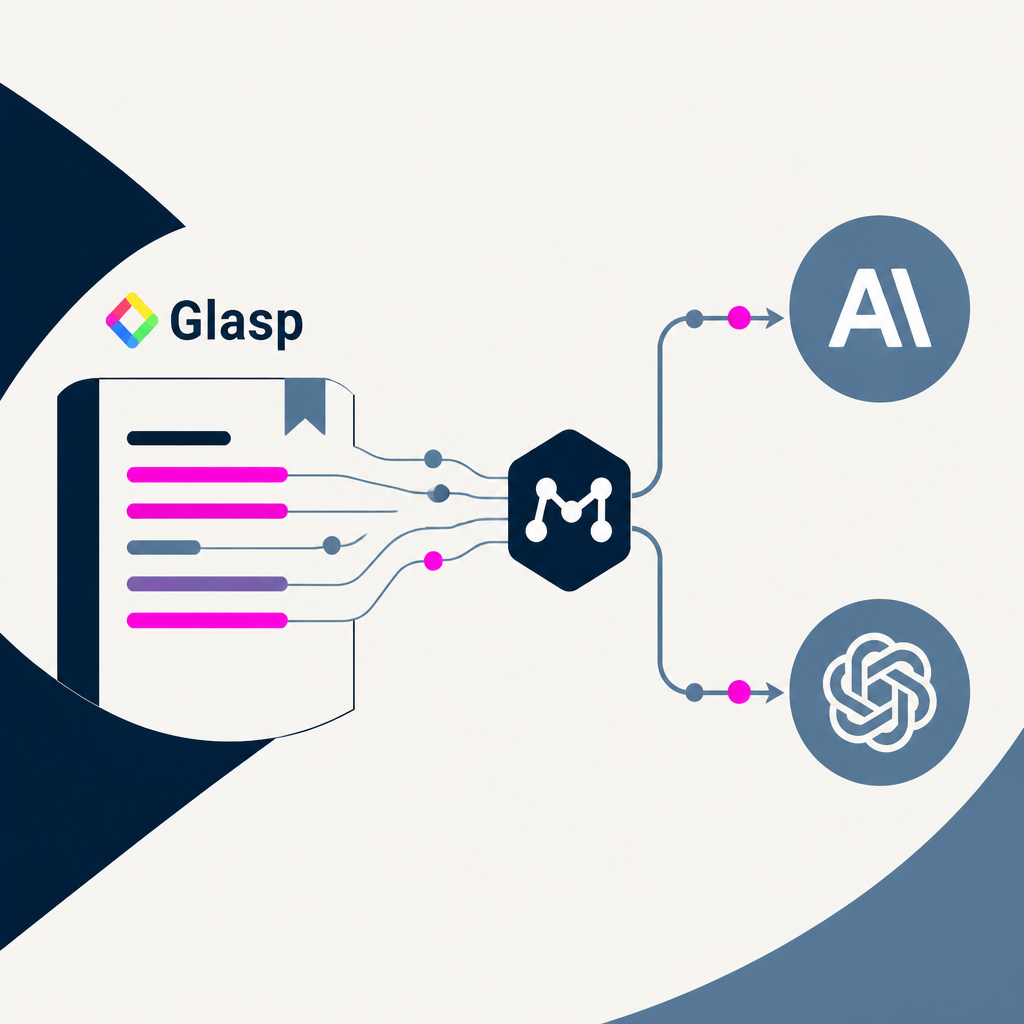
Glasp just launched an MCP connector so you can search your saved highlights and notes right inside Claude and ChatGPT. It means your reading history becomes fair game for AI chats instead of sitting locked in a browser extension.
Based on reporting by Product Hunt, Kei Watanabe — read the original for the full story.
Summary, retelling and take written by AI under human oversight; images are AI-generated illustrations. How we work · Report an error
Glasp, the tool people use to highlight and save snippets from articles and books, has shipped a connector built on Anthropic's Model Context Protocol. The pitch is simple: instead of digging through your own highlight library to remember where you read something, you ask Claude or ChatGPT and it pulls the answer straight from your notes.
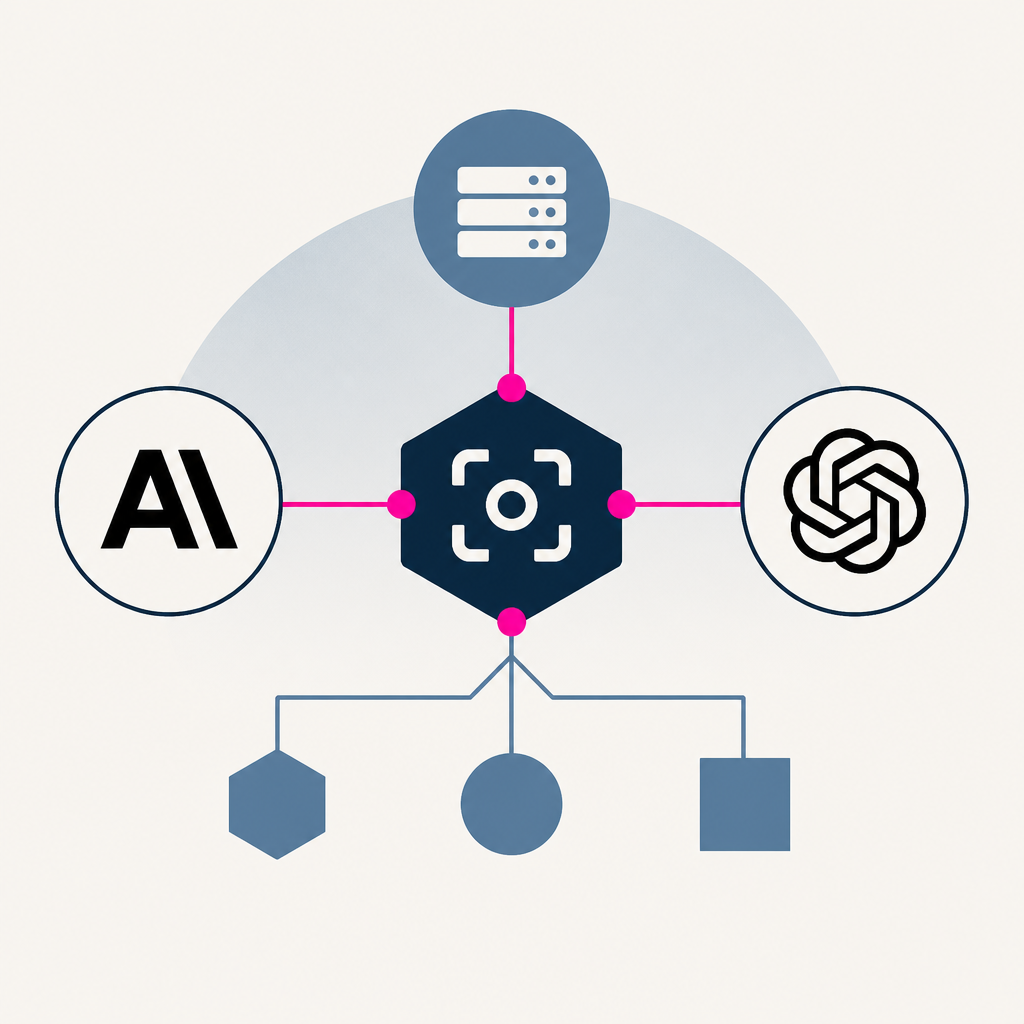
MCP has quickly become the plumbing that lets AI models reach into outside apps without a developer writing a custom integration for every single tool. Glasp jumping on it puts the service in the same camp as a growing list of note-taking and knowledge apps racing to make their data queryable by whatever chatbot a user already has open. That's a meaningful shift for a product that started as a browser extension for saving quotes from web pages — now those quotes can surface mid-conversation, cited and searchable, without the user ever opening the Glasp site.
The practical upside is obvious for anyone who hoards highlights and then never looks at them again. Ask an AI assistant something like what you read about a topic last month, and if the connector works as advertised, it digs through your Glasp archive rather than making something up or shrugging. For power users of Claude or ChatGPT who also use Glasp daily, that's a real reduction in friction.
What's less clear from the launch itself is how deep the search actually goes — full-text across every highlight, or just titles and tags — and how Glasp handles the privacy side of piping personal reading data into a third-party model. Those are the details that decide whether this is a genuinely useful bridge or just a nice demo.
My take — AI-written commentary, not fact-checked reporting
This is exactly the kind of small, unglamorous integration that quietly proves MCP's real value: not flashy new models, but boring plumbing that lets your own data follow you between tools. The interesting question nobody's answering yet is what happens to all those highlights once they're feeding a model — who's storing that mapping, and for how long. Convenience always wins the launch day headlines; the data-handling fine print shows up later, usually in a much less exciting blog post.
Read more about this at: Product Hunt