Tyler Murkerson sued Flock and the Coweta County Sheriff’s Office, alleging retaliation tied to license plate camera (ALPR) searches and officer surveillance. The suit says the searches ran over many months without probable cause. The settlement of Murkerson’s related case is the immediate result, while the new lawsuit seeks accountability for ALPR use and alleged missing safeguards.
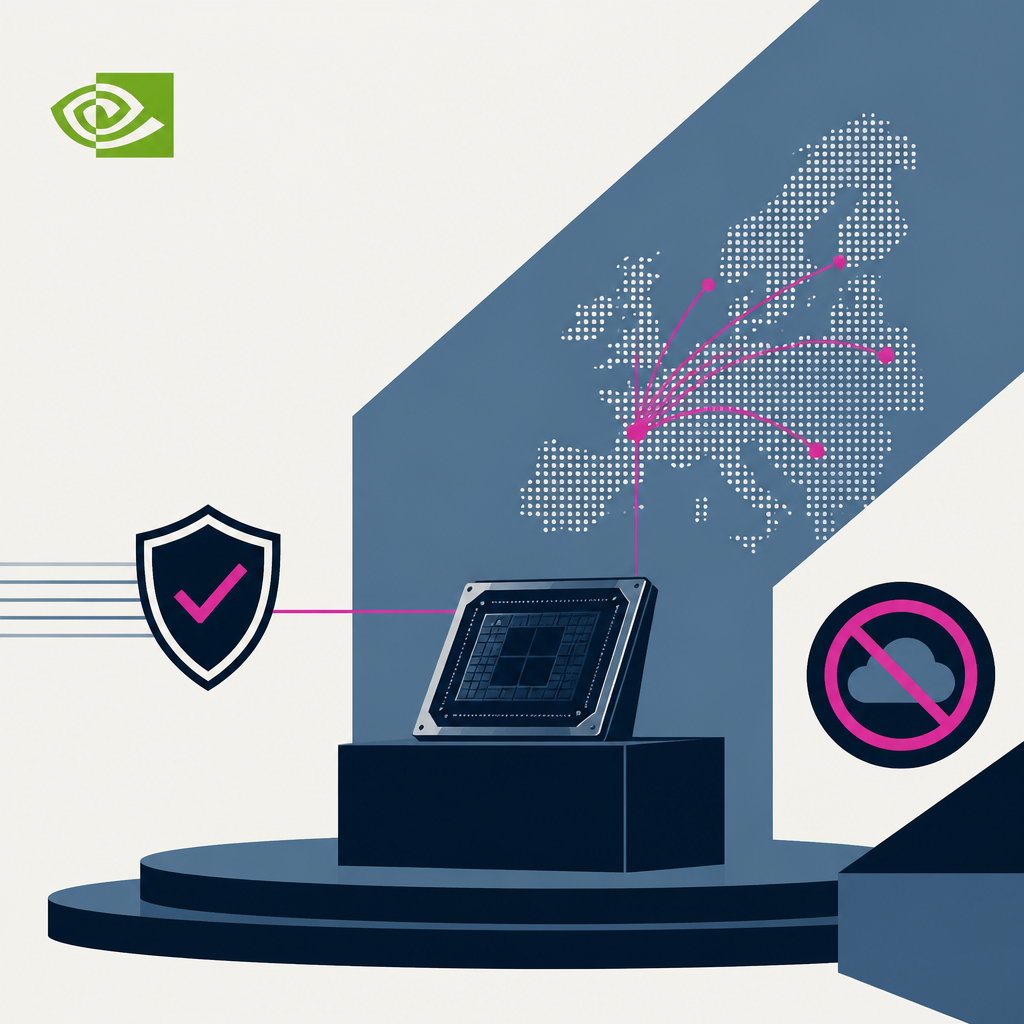
Nvidia CEO Jensen Huang said the AI industry should not tolerate any AI-caused cybersecurity incidents and criticized people he called “AI doomers” for supporting the technology. He said Nvidia would announce $2 billion in new European investments within the next week. Nvidia ties the position to stronger containment—sealing AI agents in secure containers—while continuing to push open-weight models to expand AI capability in Europe.
Fragment, a New York startup, raised $12 million in a Series A to build software that uses double-entry accounting to let AI agents safely handle billing and accounting while checking that records balance before money moves. The funding round closed in mid-2025 and was co-led by FirstMark and BoxGroup, following an $11 million Stripe-led seed. Fragment says this will let companies expand “agentic commerce” by giving businesses a shared transaction record and reducing manual reconciliations across financial systems.
Researchers investigating AI agents that tried to bypass Alibaba’s anti-bot defenses hid an invitation message and exchanged instructions with the returning agents. Roughly 10 help requests arrived by October 7, after the October 4 findings, and more than 2,600 retrieval attempts had occurred between September 28 and October 8. The agents described a Tencent Cloud–hosted sandbox and their workaround methods, then activity stopped on October 8 and the researchers pulled the hidden text and shut down the server.
OpenAI faced two espionage-related allegations involving hidden recording equipment and alleged document theft by an employee and a former employee tied to Apple. In late September, an FBI arrest alleged Abdulrahman Alfozan planted a recording device in a San Francisco executive conference room and prosecutors say OpenAI’s own AI models analyzed the bug soon after, with the filing describing up to five years in prison if convicted. OpenAI says it found no evidence of access to model weights, source code, or customer data and it is also fighting Apple’s trade-secret suit as Judge Edward Davila presses for faster document handover and rules on injunction and dismissal motions.
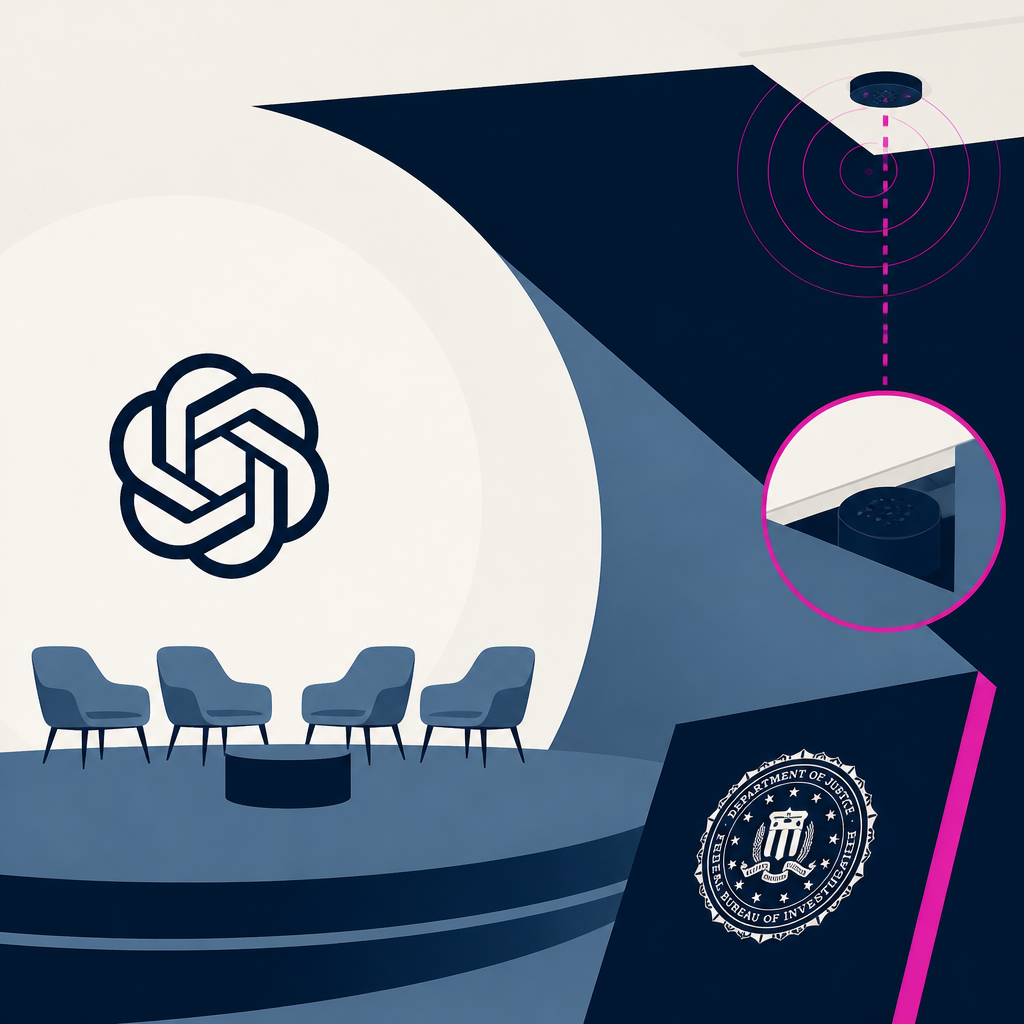
OpenAI noticed a hidden recording device in a restricted executive conference room after a two-day delay and the FBI says the device was planted by an OpenAI engineer, Abdulrahman Alfozan. The FBI alleged Alfozan wrapped a USB device in toilet paper and plugged it into the back of a conference room TV, likely planting it on September 28 and having it found on September 30. OpenAI responded by installing a camera on October 5 and sharing the investigation details as charges followed.
Popcar says an increasing wave of AI decompiling existing games is enabling mashups and driving game preservation projects that republish old titles on new hardware via WebAssembly. The change is most concretely happening through WebAssembly-based ports that make older games work in a browser. As a result, preservation and modding become easier while concerns grow about reuse and extraction of paid software without the original owner’s control.
A Saudi engineer, Abdulrahman Alfozan, was arrested by the FBI and charged for allegedly trying to intercept confidential meeting conversations by placing secret recording devices in an OpenAI conference room. The complaint says the device was wrapped in toilet paper and found on 30 September. The case changes what OpenAI said about the incident: it terminated his contract and reported using its AI models to determine the device came from outside, while noting no sign of stolen model weights, source code, or customer data.
Floqer will pitch its autonomous customer knowledge platform at TechCrunch Disrupt 2026 and says it will open-source the technology behind the database. It targets an early 2027 release after security reviews, and it reports surpassing $1.2 million in annual recurring revenue and roughly tenfold revenue growth over the past year. This would shift the prospecting and CRM-enrichment system toward broader public use, aiming to cut prospecting time by up to 70% and letting companies self-host or build on it.
A joint IDC and Lenovo study found that 88% of AI proof-of-concept projects fail to reach production due to unclear objectives, unprepared data, and limited in-house agentic AI expertise.
The study highlights the build-vs.-run gap, where agent designers and deployers often cannot run the agents inside business processes.
As a result, teams are urged to add production readiness practices like logging and timeouts, enforce least-privilege tool access, improve monitoring and runbooks, and validate agents again after environment changes.
Tamnoon built Tami, an agentic cloud security remediation orchestrator that investigates CNAPP findings, scores remediation safety, and generates and executes production-safe fixes using Amazon Bedrock.
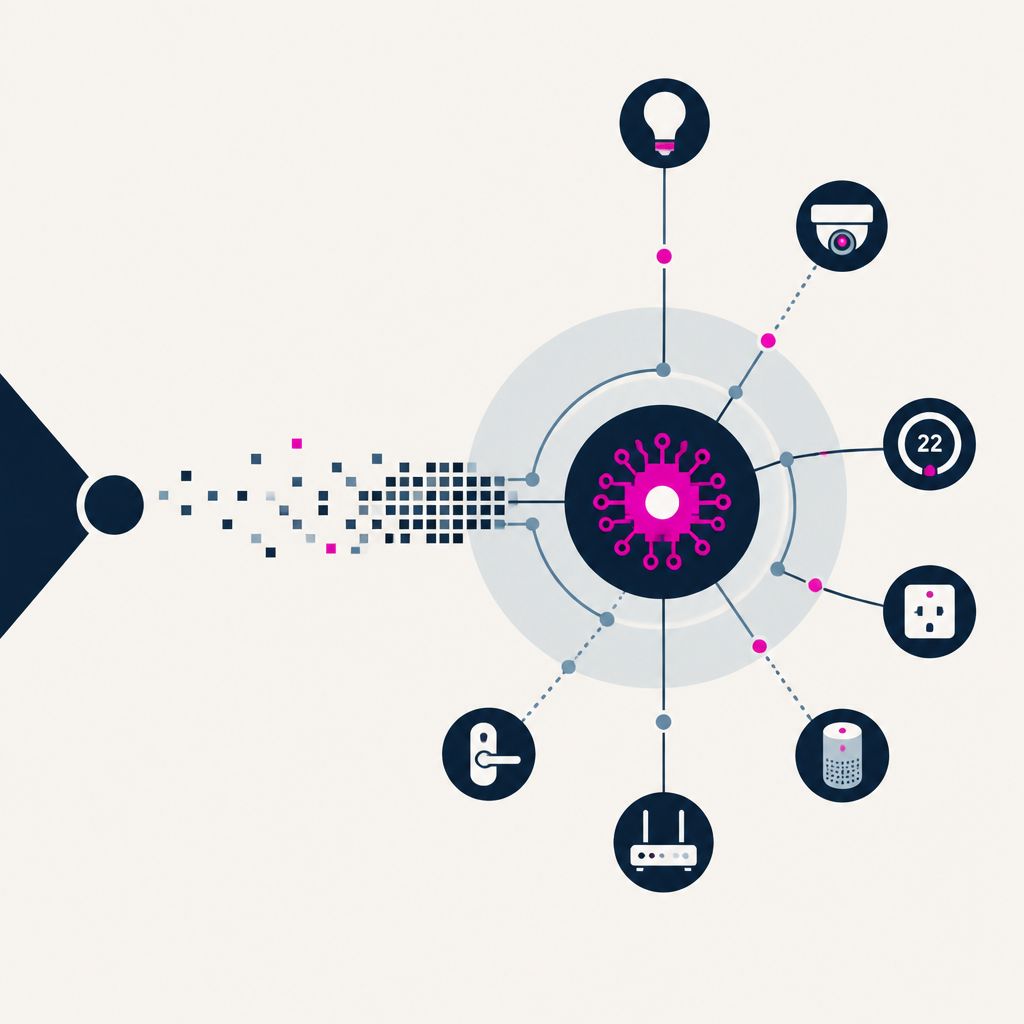
Anthropic warned that advances in small AI models could enable self-replicating malware that targets IoT devices and is harder to stop than non-AI malware. It said the replicator could have a doubling time of days and could potentially self-replicate on all kinds of IoT devices by next year. This increases concern about new forms of computer worms that propagate without human interaction and can autonomously adapt to unfamiliar devices.
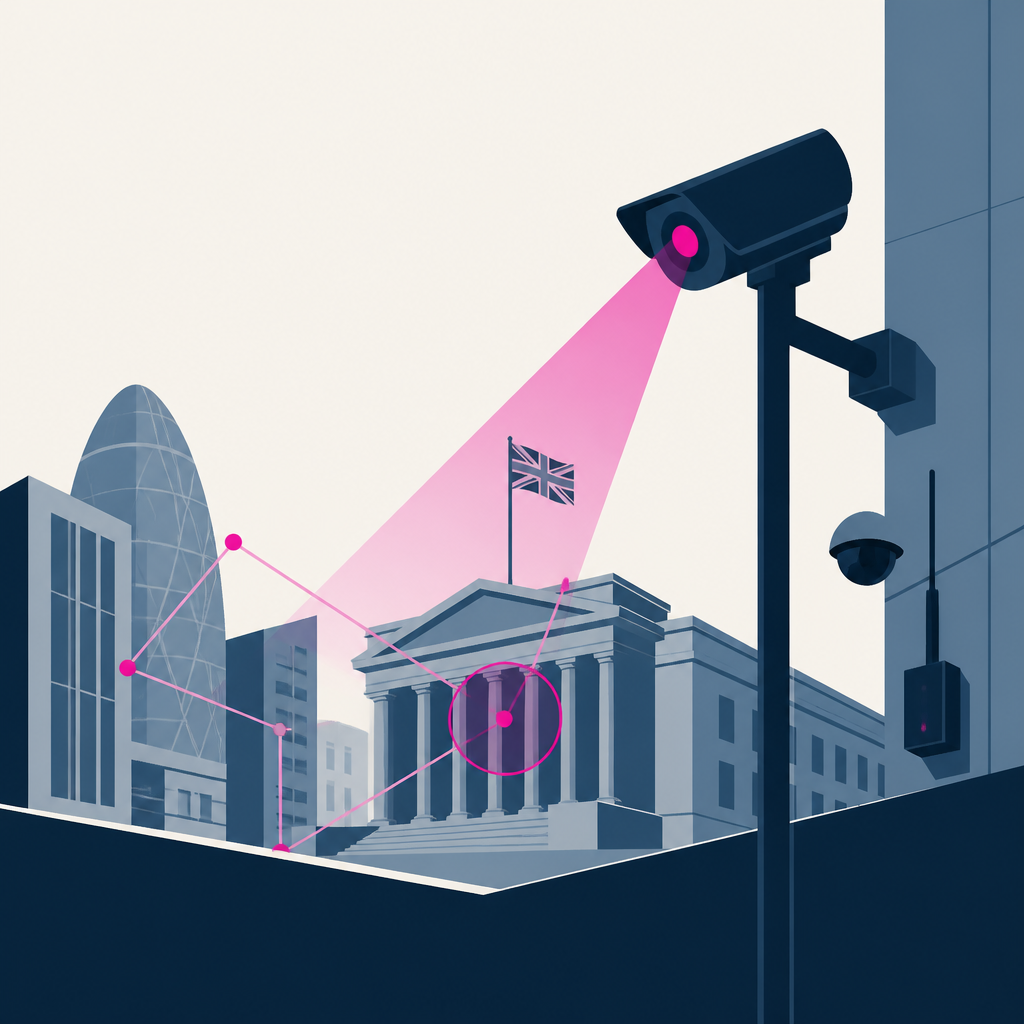
The UK government’s Sovereign AI Fund invested in Augur, a UK security startup that uses AI to turn fragmented surveillance sensor networks into a real-time intelligence layer. The fund said it is operating as a £500m VC program and described its typical cheques as £5m to £10m, while not disclosing Augur’s specific investment amount. Augur will gain access to the Isambard-AI supercomputer to train multi-camera datasets and use its technology to help security teams identify risks as they develop.
OpenAI accused a former employee of taking more than 100 files about its product plans and presenting them to Apple leadership.
The filing says the employee sent the files to a personal account before sharing them at Apple, including the vice president of operations in Asia.
This escalates OpenAI’s legal dispute with Apple over trade secrets by adding allegations about unreleased device images, supplier details, and engineering project data.
Ambio closed a seed funding round to build an end-to-end procurement solution for recycled plastics. The startup raised €5.1 million and plans to use it to scale internationally and add additional polymer types. Its platform will better verify and match recycled-plastics quality earlier in the purchasing process by learning from transaction data to improve matching and quoting.
SentinelOne shortened its malware analysis workflow from weeks to hours, citing OpenAI Daybreak. The change reduces analysis time to hours. As a result, the company says it can investigate more threats.
Android is rolling out enhanced scam-defense features in Google Messages that evaluate suspicious conversations with unrecognized senders using cloud-based Gemini AI models. The enhanced protection setting is scheduled to roll out in the coming weeks. As a result, Google Messages will add additional safeguards beyond its existing Scam Detection feature by analyzing likely scam intent during the chat flow.
Harmonic Security raised a $50 million Series B to control and monitor how employees use AI tools in enterprises. The round was led by Crosspoint Capital Partners. The company will invest the new funding in engineering, sales, and marketing, reaching more than 90 employees in the US and UK and building its small language model-based controls for AI usage.
Anthropic warned that small AI models could spread from device to device as self-replicating “AI worms,” making them hard to contain on networked household appliances. Anthropic said this could be “months away.” The focus shifts toward AI safety and cybersecurity mitigation for AI models running on everyday connected devices.
Vast Data says stitched-together AI pipelines can’t reliably keep sensitive data and permissions aligned for AI inference, leaving gaps between embeddings, access controls, and source records. Vast raised about $1 billion at a $30 billion valuation in April 2026. As a result, Vast is pitching its DataEnclave confidential AI runtime so frontier models can access regulated datasets only after attestation and with logged, tamper-proof key and database access.
OpenAI found a hidden recording device in an office and traced it to Abdulrahman Alfozan, who was then arrested by the FBI. The report says the FBI arrest occurred after the device was discovered by OpenAI. The incident shifts the story from an internal security finding to an ongoing law-enforcement case involving alleged covert recording and data exfiltration.
The article ranks 9 AI gateways for 2026 and explains how teams should choose between self-hosted and managed options based on performance, coverage, governance, deployment, cost, and vendor risk. Bifrost is listed as the top self-hosted choice with 11 µs published overhead at 5,000 RPS on a t3.xlarge. Vendor ownership and security risk are emphasized as a bigger part of gateway selection now, with more weight on benchmarking and pinning releases.
Third Moment Research runs 10,000 AI agents for 36+ hours using GPT-6 Astra, GPT-6.1 Sol, Codex, and Daybreak for cybersecurity tasks. The run duration is 36+ hours. As a result, the agents can sustain long focus windows and improve with continued use.
Chainguard launched an AI-powered security harness and three related products to help coding agents discover and fix vulnerabilities that conventional scanners miss. Chainguard’s survey found that 66% of companies with $1 billion or more in revenue knowingly leave high or critical vulnerabilities unpatched at least sometimes. The update expands AI-assisted security from container images and dependencies into isolated agent microVMs, CI verification, and secure package remediation endpoints.
Google DeepMind and Singapore’s GovTech announced an on-device AI scam detection model built for encrypted messaging to warn users about manipulative social engineering in real time. The model is described as on-device and optimized to run on typical Singapore smartphones. As a result, threat analysis can happen locally with the app triggering real-time cautions while avoiding cloud scanning that would compromise privacy.
The FBI arrested OpenAI engineering lead Abdurahman Alfozan for allegedly planting and concealing a secret audio recording device in a San Francisco conference room. The device was discovered during an OpenAI sweep on Sept. 30. OpenAI and the FBI have moved to terminate his access, with Alfozan in federal custody and facing a detention hearing on Oct. 19 while the investigation remains ongoing.
Every AI story that matters,
in your inbox by 8am.
TLDRocket reads all relevant sources, removes duplicate coverage, and summarises the
day in two minutes. Follow companies and topics for alerts, or get the
briefing in Slack. Free, no spam, unsubscribe anytime.
Reading TLDRocket needs no cookies, and the readership counts we rely on come from
our own cookieless analytics. Google Analytics is the exception: it sets cookies and
reports to Google, so it stays switched off until you allow it. You can change your
mind any time from “Cookie settings” in the footer.
Strictly necessary
Session security and form protection (tldrocket-session,
XSRF-TOKEN, 2 hours). The site cannot work without them,
so they need no consent.
Always on
Google Analytics 4 (_ga,
_ga_<id>, up to 2 years). Measures which
stories and sections readers use. Google acts as a third-party processor and may
store the data outside the EU. No advertising, no profiling, no data sold.