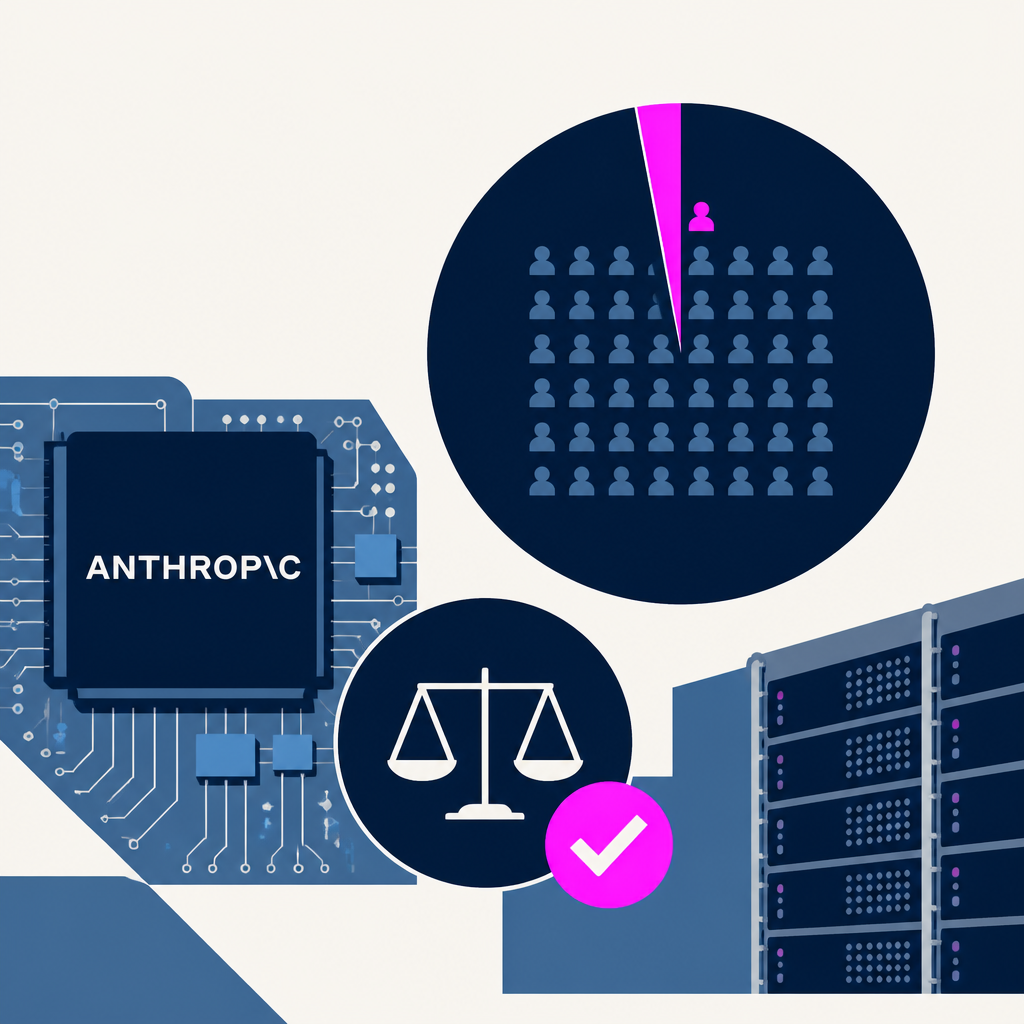
A judge approved a $1.5 billion copyright settlement between Anthropic and authors, resolving the largest certified copyright class-action suit. Only 350 authors opted out of the settlement, which offers an estimated $3,000 payout per work despite some authors arguing the amount was too low. The settlement ends litigation over Anthropic's use of copyrighted books in AI training, though the company had already won a fair use ruling on the practice itself.
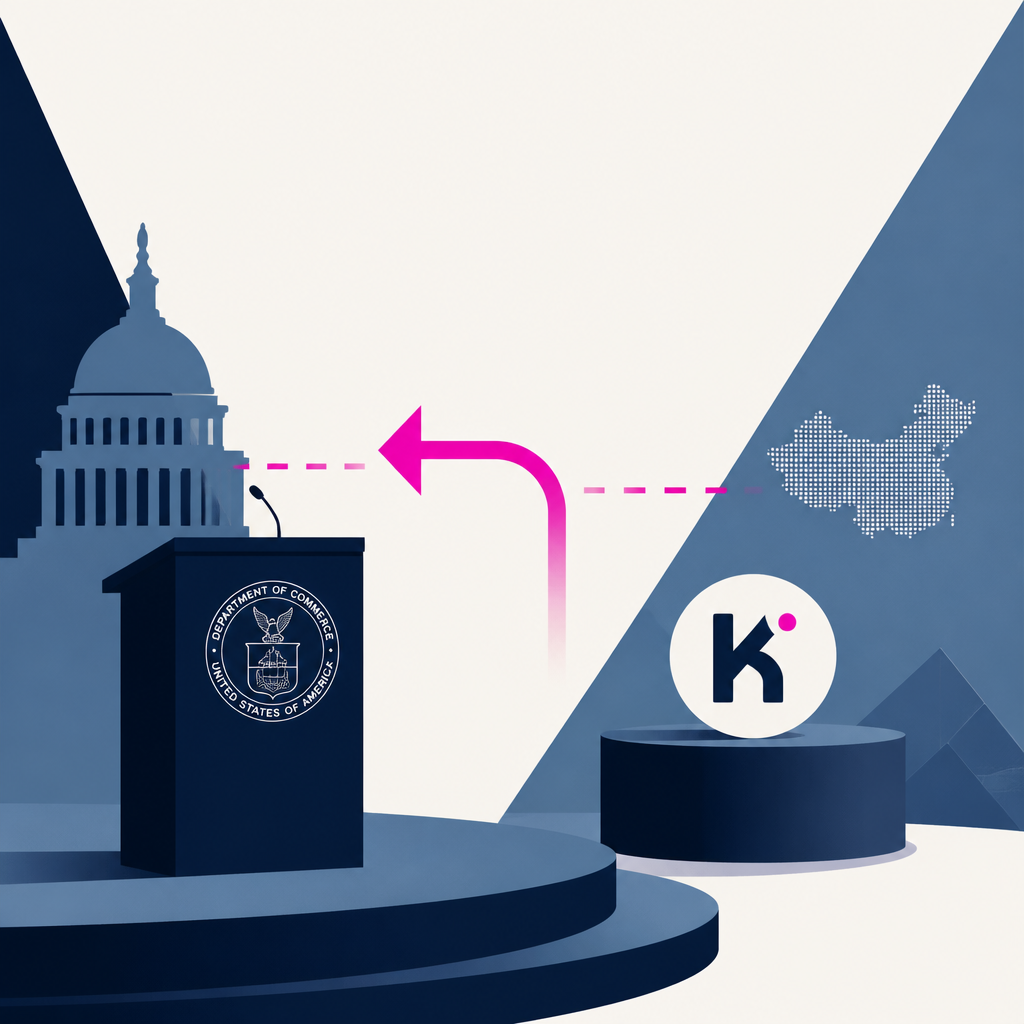
U.S. Treasury Secretary Scott Bessent announced the administration would examine Chinese open source AI models for intellectual property theft and threaten sanctions against Chinese AI companies if violations are found. The statement follows recent advances by Chinese models like Moonshot AI's Kimi K3, which are gaining capabilities and market traction against American firms like OpenAI and Anthropic. The threat represents an escalation in U.S. government efforts to maintain technological superiority, adding to existing restrictions on Chinese access to advanced AI chips and controls on model exports.
The U.S. Commerce Department opted against restricting advanced Chinese AI models like Moonshot AI's Kimi K3, after briefly considering procurement bans and hosting rules. The decision came amid internal debate over whether such protections would undermine rather than help American AI development. The outcome leaves Chinese models accessible in the U.S. for now, allowing continued competition in the market.
A federal judge approved Anthropic's $1.5 billion copyright settlement with authors and publishers who sued over illegal downloading of books for AI training. The settlement pays $3,000 per work across 500,000 works, though the judge ruled that using copyrighted text for training is fair use—only the piracy method was illegal. The case won't set binding precedent since Anthropic settled, leaving other AI companies like Google and OpenAI to face similar lawsuits with uncertain outcomes.
Every AI story that matters,
in your inbox by 8am.
TLDRocket reads all relevant sources, removes duplicate coverage, and summarises the
day in two minutes. Follow companies and topics for alerts, or get the
briefing in Slack. Free, no spam, unsubscribe anytime.
Reading TLDRocket needs no cookies, and the readership counts we rely on come from
our own cookieless analytics. Google Analytics is the exception: it sets cookies and
reports to Google, so it stays switched off until you allow it. You can change your
mind any time from “Cookie settings” in the footer.
Strictly necessary
Session security and form protection (tldrocket-session,
XSRF-TOKEN, 2 hours). The site cannot work without them,
so they need no consent.
Always on
Google Analytics 4 (_ga,
_ga_<id>, up to 2 years). Measures which
stories and sections readers use. Google acts as a third-party processor and may
store the data outside the EU. No advertising, no profiling, no data sold.