
Washington Backed Away from Banning Chinese Open AI Models, For Now
Axios ● Covered by 75 sources
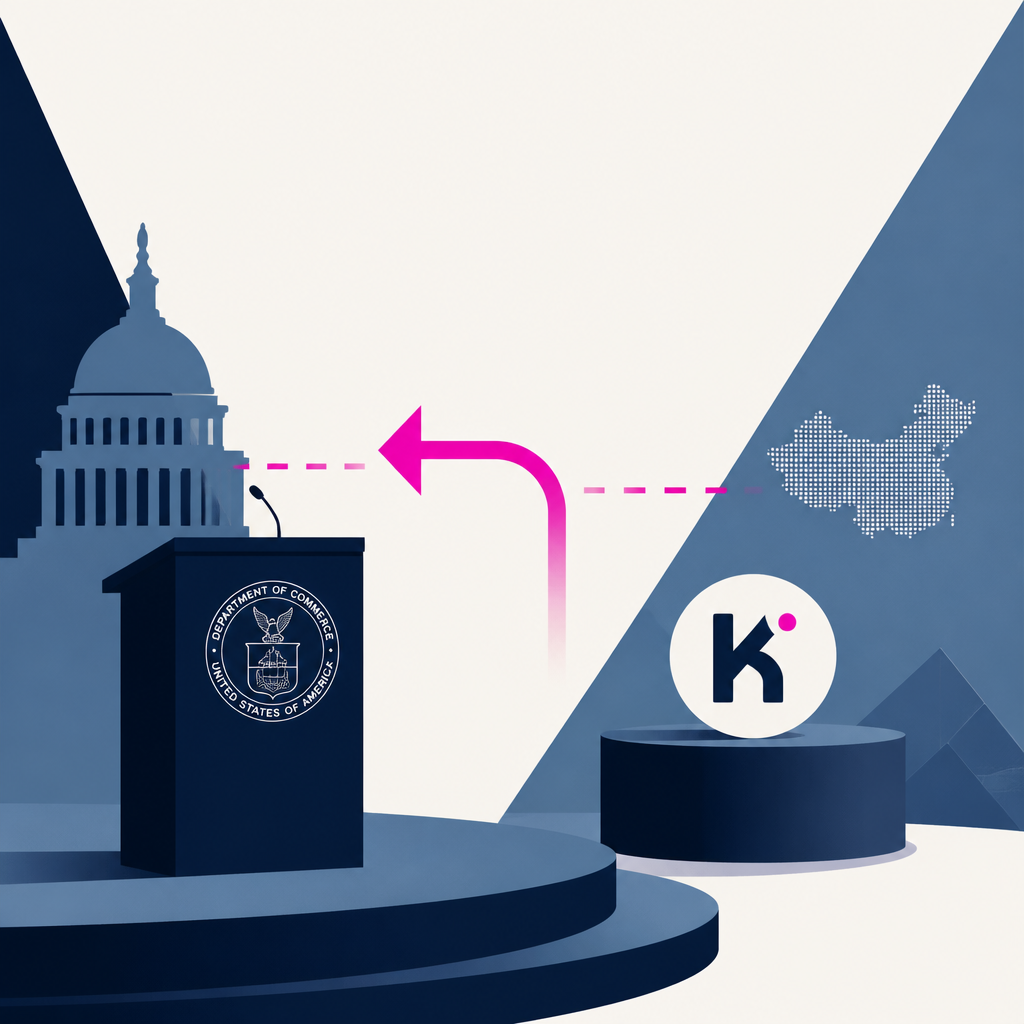
Washington looked at banning Chinese open AI models like Moonshot's Kimi K3, then backed off. No ban means US builders keep access to cheap, capable open models.
Based on reporting by Axios — read the original for the full story.
Summary, retelling and take written by AI under human oversight; images are AI-generated illustrations. How we work · Report an error
For a few weeks it looked like the US government might do to Chinese open-weight models what it's done to Huawei chips: cut them off. The trigger was Moonshot AI's Kimi K3, a release strong enough that people in Washington started asking whether American developers leaning on Chinese open models was a national security problem rather than just a competitive one.
Commerce reportedly kicked around real options. Procurement restrictions that would keep federal agencies and contractors from touching these models. Hosting rules that could have made it harder for US cloud providers to serve them at all. Both would have rippled well past government use, since plenty of startups and researchers build on whatever open weights are cheapest and best, regardless of the flag on the lab.
And then, at least for now, none of it happened. The agency chose not to advance a ban, which is notable given how much appetite there's been in DC to treat AI like a chip war. The reasoning that leaked out wasn't really about trusting Beijing more. It was about trusting American developers to make good choices, and worrying that a ban would just push those developers toward closed US models they can't inspect, fine-tune, or run cheaply on their own hardware.
That's the real tension here. Open Chinese models like Kimi K3 or DeepSeek's releases have become a genuine input for US builders, not a curiosity. Cut off the input and you don't necessarily strengthen domestic labs. You might just make American AI development more expensive and less transparent, while doing nothing to slow down the labs in China actually training these systems. Washington seems to have noticed that distinction, even if only temporarily.
Nothing about this is settled. Commerce can revisit the question whenever the next headline-grabbing Chinese release lands, and the underlying anxiety about dependence on foreign open weights hasn't gone anywhere. But the fact that regulators paused rather than acted suggests the debate is more complicated than a simple US-versus-China framing, and that some people in government understand that open models don't respect borders the way export controls assume they do.
My take — AI-written commentary, not fact-checked reporting
Good, this was the sane call. Banning open weights because they're good and happen to come from a Chinese lab is security theater that mostly punishes the American developer who just wanted a capable model they could actually run locally. If US labs want to win this, they should ship better open models, not lobby for the other guy's to be illegal.
Read more about this at: Axios