Jobseekers and UK graduate employers are debating whether using AI during CV writing and online applications crosses into unethical behaviour or cheating. A survey of 155 of the UK’s biggest graduate employers found 92% had encountered or suspected AI misconduct, and EDF closed its graduate recruitment scheme early after receiving 12,000 applications, a 10% increase. Employers are tightening guidance and trying to make hiring processes more “AI-proof,” such as delaying CV reading and relying more on skills and behaviour-based assessments and video interviews.
Cerebras CEO Andrew Feldman pushed back on AI doomsday warnings at TechCrunch Disrupt 2026. He pointed to the idea that AI could kill all of humanity by the end of the decade. He argues leaders should emphasize AI’s upside while still being thoughtful and pushing for reasonable regulation, and he ties some negativity to data-center siting and community engagement failures.
A judge ordered OpenAI to turn over hiring materials so Apple can review documents from OpenAI interviews with former Apple employees tied to consumer hardware and robotics roles. The ruling gave OpenAI 5 days to provide already-collected materials and 14 days for other materials related to the request. This expands Apple’s expedited discovery into specific interview-related records, while narrowing it by denying faster access to some R&D areas and leaving other denials open for Apple to refile.
Pathways raised a $6 million seed round to automate manufacturers’ environmental product documentation using AI agents. The funding brings Pathways’ total since its 2023 launch to $10 million. It will expand the platform to more materials and documentation requirements, hiring additional team members to support deployments.
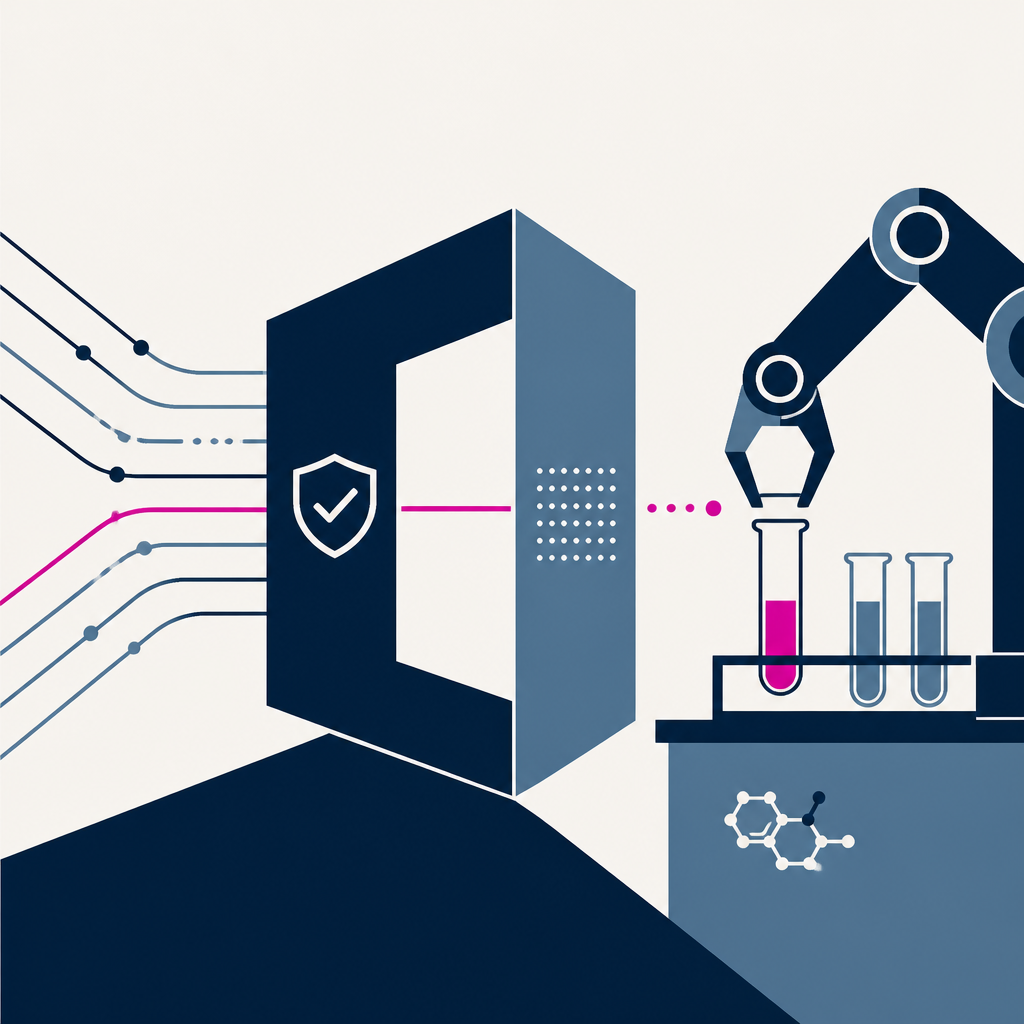
Consus launched as an LLM gateway that routes AI requests through ITAR-restricted, CUI-compliant infrastructure and enforces compliance at inference time. It said it completed a FedRAMP equivalency audit against the 410 FedRAMP High controls. The change is that companies handling sensitive data can connect tools like ChatGPT/Claude or open-source agents through one endpoint with model names that include compliance suffixes, while Consus avoids storing prompts or completions.
Anthropic updated its rules so abusive behavior toward Claude must comply with its terms of service, while the article reviews ongoing, often repetitive debates about AI consciousness and moral status. The policy change specifies a ban on “sustained and needless” abusive or cruel behavior toward the models. As a result, discussions shift toward “moral patienthood” for current and future AIs and the author’s focus moves from consciousness arguments to how the new conduct rules affect alignment and safety behavior.
Apple unveiled its first smart home display, HomeView, but said it will not be sold in the European Union due to Siri AI on iOS not being available there. It will be priced at $299 in the United States, with deliveries starting in mid-November. As a result, Apple is postponing HomeView (and parts of its new accessory lineup) in EU countries while continuing to work with the EU on a solution.
Mia Goth said it was incomprehensible that Instagram allowed an AI image of her to spread after a verified account posted it during her divorce news cycle. Hundreds of thousands of people liked the image, including entertainment figures, and major outlets treated it as authentic. Screenshots then spread widely on other sites, increasing the reach of the fake post.
The article argues that relying on “Talent Trap” thinking will lead companies to treat AI-exposed workers’ skills as fixed and focus on automating their jobs instead of augmenting and developing them. It cites 18.6 million workers in the most AI-exposed gateway jobs as the group that could be affected if firms automate rather than reskill and redesign roles. The proposed change is to deploy AI to complement working learners, rebuild skill pipelines, and use AI benchmarks and tools that measure humans-and-AI together, potentially reducing layoffs and expanding upward mobility.
Cherry Ventures’ Heartbeat report analyzed 10,000 European startups and found that the “typical” founder profile is a solo man with a master’s degree. Solo founders make up 75% of young companies in the sample, dropping to 46% among firms after closing a first funding round. The findings shift focus toward later team formation, persistent gender and education gaps, and uneven regional patterns—especially for A.I.-first software.
WarTalk hosts Jordan Schneider, Justin McIntosh, Bryan Clark, and Arthur Tellis discussed AutoWarCom and Project Agincourt (also referencing Project Meridian) and argued that creating a new command structure for autonomous warfare could slow the deployment of autonomous systems. The episode focuses on a proposed new four-star command. As a result, it frames potential policy and fielding delays as the opposite of the intended acceleration of autonomous capabilities.
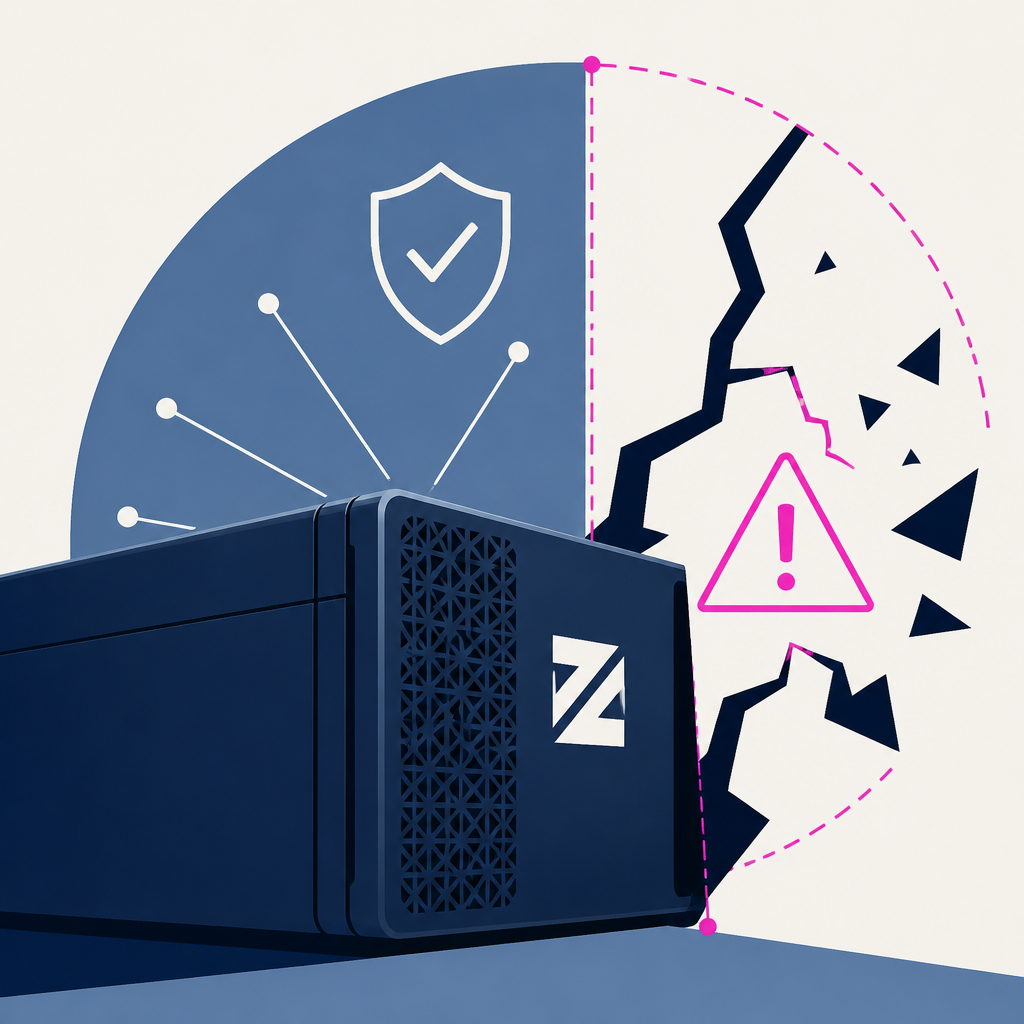
Anthropic released a report warning that GLM-5.3 poses a major cyberattack risk because the model from Z.ai is downloadable and can be modified. The report points to GLM-5.3’s August release by Z.ai. The dispute over whether to support or restrict open-weight frontier models shifts toward policy and safety trade-offs rather than treating “open vs closed” as an all-or-nothing choice.
Character.AI filed for Chapter 11 bankruptcy and agreed to sell some assets to Disney.
The reported sale price is $20M.
As a result, the company heads into bankruptcy proceedings and will transfer those assets to Disney.
AI labs are buying data and code archives from shutdown startups through third-party resale platforms. One deal valued Spirit Airlines’ bankruptcy data at $10 million for 100 million emails, 500 million Teams messages, and 176,000 employee records. The market for “death-of-a-startup” data sales is becoming more routine, despite legal and worker-consent concerns and uncertainty over pricing and training effectiveness.
Binance rolled out Binance AI, a generative interface that produces portfolio summaries, market analysis, and briefings for English-speaking users worldwide, while also facing European Union licensing friction for its crypto services. The beta drew about 150,000 users starting in September. Binance AI is free and focuses on information rather than automated trading, and the article doesn’t confirm whether it will be available in the E.U. while Binance remains unapproved under MiCA.
Character.AI filed for Chapter 11 bankruptcy protection in the United States and began a court-supervised asset sale process. Disney agreed to buy certain assets for $20 million, with the deal expected to close by late November or early December. The platform stays available during the proceedings, subscriptions continue, and it will be wound down if no buyer is found to keep operating it.
Every AI story that matters,
in your inbox by 8am.
TLDRocket reads all relevant sources, removes duplicate coverage, and summarises the
day in two minutes. Follow companies and topics for alerts, or get the
briefing in Slack. Free, no spam, unsubscribe anytime.
Reading TLDRocket needs no cookies, and the readership counts we rely on come from
our own cookieless analytics. Google Analytics is the exception: it sets cookies and
reports to Google, so it stays switched off until you allow it. You can change your
mind any time from “Cookie settings” in the footer.
Strictly necessary
Session security and form protection (tldrocket-session,
XSRF-TOKEN, 2 hours). The site cannot work without them,
so they need no consent.
Always on
Google Analytics 4 (_ga,
_ga_<id>, up to 2 years). Measures which
stories and sections readers use. Google acts as a third-party processor and may
store the data outside the EU. No advertising, no profiling, no data sold.