
AI labs are buying data from dead startups to train their models
MIT Technology Review Matthew King
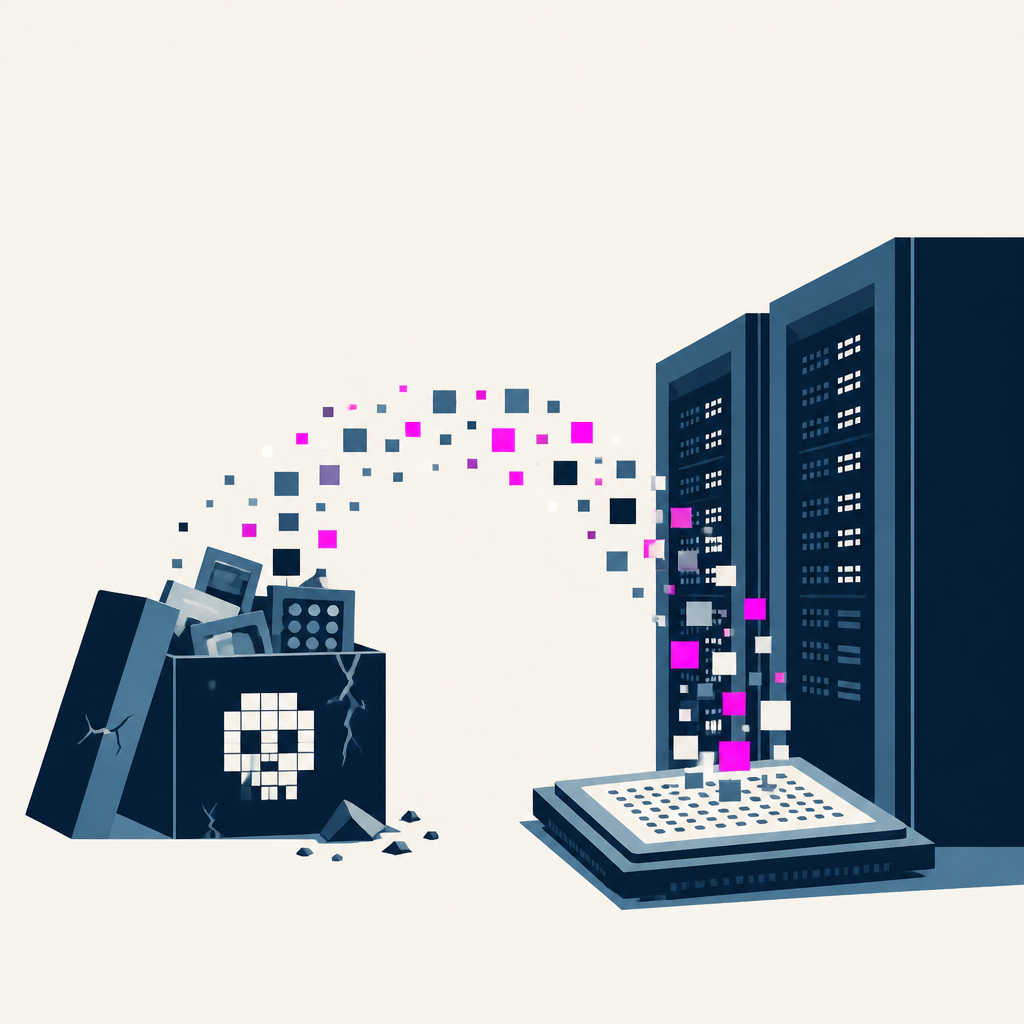
Dead startups are selling their old Slack, docs, and code to AI labs. The leftovers can fetch real money, and the buyers want the messy human detail public data lacks.
Based on reporting by MIT Technology Review, Matthew King — read the original for the full story.
Summary, retelling and take written by AI under human oversight; images are AI-generated illustrations. How we work · Report an error
When Keelan Miskell shut down his crypto startup this year, he didn’t expect the company’s digital leftovers to amount to much. The users were anonymous. The business was only a few years old. Yet those archives have now turned into cash: about $25,000 for the code base, with another roughly $15,000 still pending for workspace data from Google, Notion, Figma, and Slack.
That sale ran through SimpleClosure, one of a growing class of firms built around failing startups. Shutdowns, according to Carta and AngelList estimates, have been rising by 26% to 56% a year in recent years, and a whole end-of-life industry has followed behind them. There are coaches, “death doulas,” and companies that handle the legal, tax, and operational mess of going under. Now there’s a newer line item in the process: selling the data remains to AI companies.
SimpleClosure added data sales in April. Its Asset Hub lets founders offload code and workspace material such as emails, chats, and documents. Buyers include foundation AI labs, companies that build simulated workspaces for training, and larger tech firms making their own models. The platform has handled more than 150 deals and expects to send more than $10 million back to startups by the end of 2026. Dori Yona, the company’s CEO, says what used to be rare and a little taboo is becoming routine. By his count, 47% of SimpleClosure deals now include code or data sales.
Sunset, a rival in the same business, is seeing the same demand. Brendan Mahony, its founder and CEO, says the company prices a dying startup’s assets by looking at head count, years in operation, data volume, and how the team used its tools. He compares the material to wood shavings: overlooked at first, but with real value once someone knows how to use it.
The buyers showed up after AI training labs started running into the limits of public and synthetic data last year. Surge AI, for example, buys data to build “reinforcement-learning gyms” where AI agents can practice tasks like debugging complex systems or drafting appellate briefs. Nick Heiner, who leads that work, wants archives that show variety and judgment calls, not just polished workflows. A single Slack history with enough range can be more valuable than another company’s Slack, email, and calendars combined. Synthetic setups can stumble over absurd details, like dates that don’t exist. Real archives don’t. Even so, nobody has published clean tests proving how much better the real stuff performs.
That uncertainty helps explain the pricing. Buyers are making bets on what a pile of code or 100,000 lines of conversation might teach a model, so valuations swing wildly. But the bigger deals are already here. In August, during Spirit Airlines’ bankruptcy, Google outbid the AI data company Mercor for decades of data that included 100 million emails, 500 million Teams messages, and 176,000 employee records. The price: $10 million. Bloomberg also reported in September that SpaceX’s AI unit is considering buying data from struggling startups.
My take — AI-written commentary, not fact-checked reporting
This is what happens when every scrap of workplace life gets treated like an asset. The AI industry loves calling it training data, which is a tidy way to avoid saying it’s also someone’s emails, calendars, and private mess. If a market can only work by pretending consent is optional, it isn’t innovation; it’s a liquidation sale with better branding.
Read more about this at: MIT Technology Review
Related stories
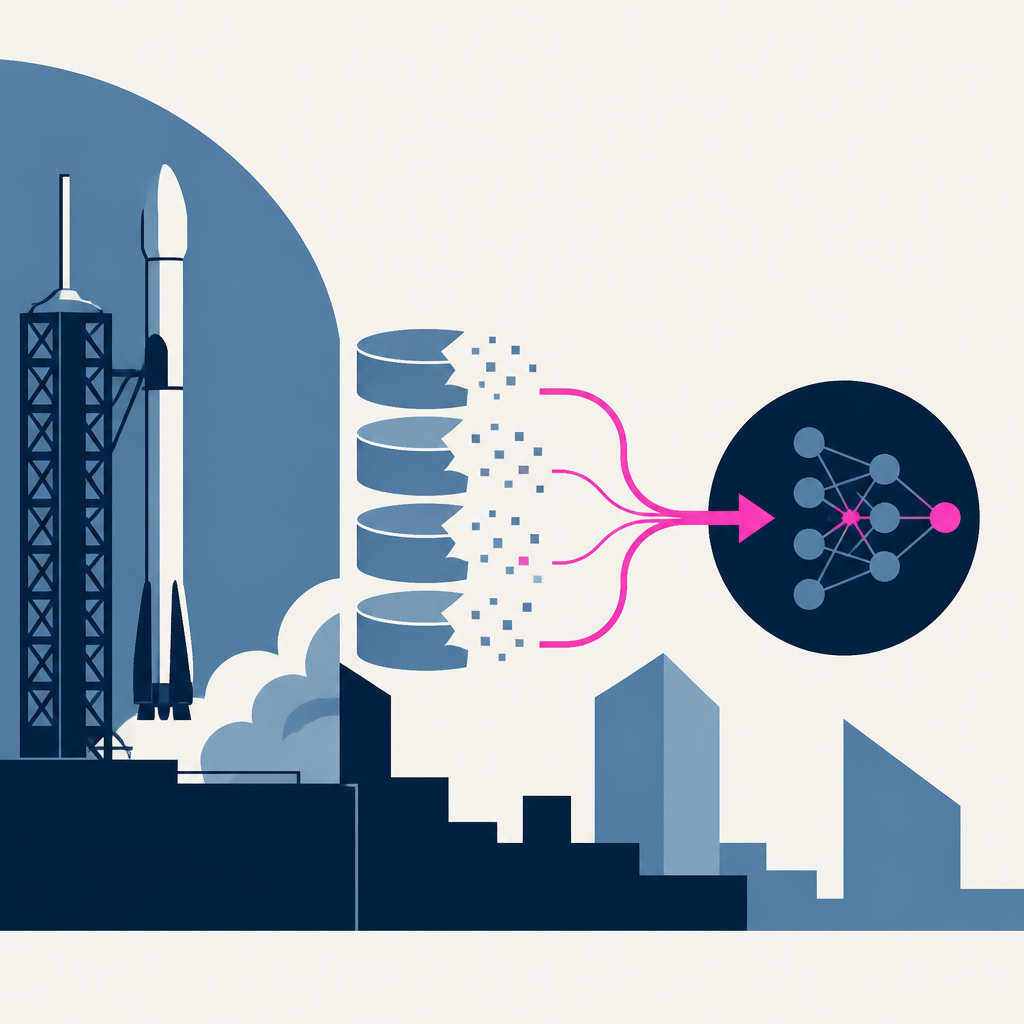 SpaceX Discussed Buying Data from Failed Startups for AI Model Training
Bloomberg · 3 weeks ago ·
29
SpaceX Discussed Buying Data from Failed Startups for AI Model Training
Bloomberg · 3 weeks ago ·
29