Amazon is building an AWS data center and on-site natural gas power plant in Pecos County, Texas, with permits already secured. The permits authorize releases of 33 million tons of carbon dioxide each year and the plant would use 35 natural gas turbines to generate up to 7.65 gigawatts. The project proceeds despite Amazon’s net-zero promise, highlighting growing climate and energy-grid scrutiny of new data centers.
The AI data-center backlash in the US is turning into a bipartisan political issue as residents organize against new nearby AI facilities. Roughly 70% of Americans oppose a nearby center, with complaints including power demand, noise, and distrust from secrecy around deals. The pressure is driving more moratorium proposals and pushing governments toward approaches like reserving compute for existing models and safety testing rather than building more centers.
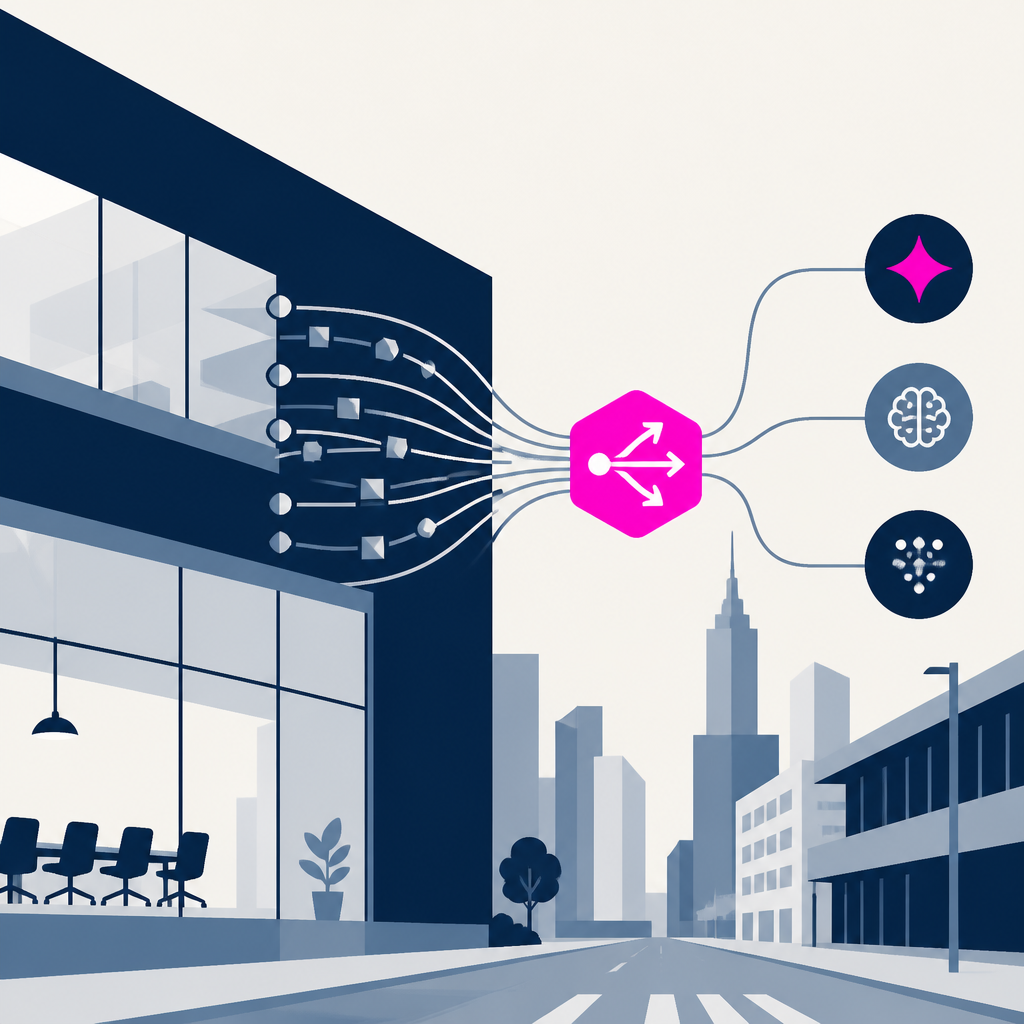
Companies deploying long-running AI coding agents have faced unexpected, token-driven inference bills that can reach millions of tokens and force major decisions or delays. A study found 62% of organizations reported an unexpected AI expense materially altered a business decision in the past year. As a result, enterprises are adopting AI model routers that pick different models per task step to cut inference costs and later expand routing decisions toward trust, compliance, and governance.
Jill Lepore argues that private tech companies are increasingly replacing democratic government functions with rule by algorithms, corporations, machines. She points to the 1996 Telecommunications Act as a pivotal moment shaping how the internet developed. Her upcoming book reframes current tech trends as steps toward an “artificial state,” and claims these shifts undermine democracy.
The Stepback argues that AI detectors are driving a new wave of distrust by extending older anti-plagiarism methods to judge writing authenticity. These tools typically work by comparing a submission against a large web and academic database and can return a matching percentage (e.g., Turnitin). As a result, readers may place less trust in authorship claims and verification systems based on automated similarity scores.
Every AI story that matters,
in your inbox by 8am.
TLDRocket reads all relevant sources, removes duplicate coverage, and summarises the
day in two minutes. Follow companies and topics for alerts, or get the
briefing in Slack. Free, no spam, unsubscribe anytime.
Reading TLDRocket needs no cookies, and the readership counts we rely on come from
our own cookieless analytics. Google Analytics is the exception: it sets cookies and
reports to Google, so it stays switched off until you allow it. You can change your
mind any time from “Cookie settings” in the footer.
Strictly necessary
Session security and form protection (tldrocket-session,
XSRF-TOKEN, 2 hours). The site cannot work without them,
so they need no consent.
Always on
Google Analytics 4 (_ga,
_ga_<id>, up to 2 years). Measures which
stories and sections readers use. Google acts as a third-party processor and may
store the data outside the EU. No advertising, no profiling, no data sold.