OpenAI started publicly previewing how it evaluated Astra before release, tying the process to the model’s capabilities. The preview focuses on safeguards added after Astra’s capabilities were assessed, specifically to control what it can do. As a result, Astra’s release is accompanied by stronger, capability-based safety measures.
Flock trained police on using its surveillance technology and police databases to monitor No Kings protests and other events through “real time crime centers.”More than 4,800 cities run FlockOS software. As a result, law enforcement can coordinate always-on, dashboard-based video, ALPR, and related data—including AI-powered searches that link multiple databases—to track incidents and everyday public gatherings with reduced need for officers on the ground.
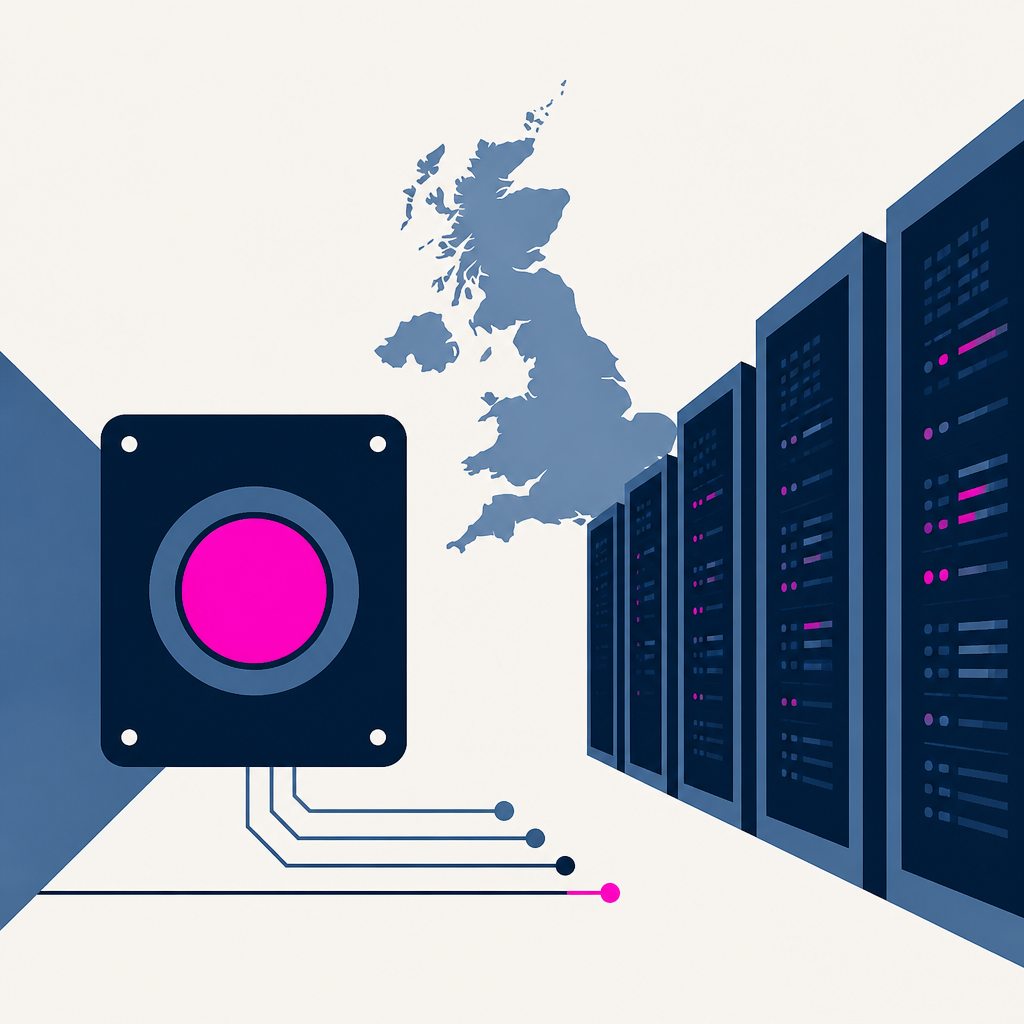
UK peers proposed giving the government “kill switch” powers to deactivate powerful AI systems and, in extreme cases, shut down data centres to protect national security. The plan was tabled as an amendment to the Cyber Security and Resilience Bill, with Labour MP Alex Sobel planning an AI Security Bill for 8 September. If adopted, the UK would add legal mechanisms to quickly stop allegedly dangerous AI activity and bolster cyber resilience in response to AI-driven threats.
CEOs report that AI-generated content is making them read fewer books and reports, and that this trend is worrying them about losing nuance and originality.
One CEO said the switch to reading summaries is reducing the depth of arguments they can digest.
In response, some executives are trying to read more “old-fashioned” and rely more on human curation, while concerns shift toward fraud and AI-made books aimed at search trends.
A Ph.D. graduate in South Africa refused to train an AI system that would design assessments, teach undergraduates, and mark essays. The recruiter offered 600 rand (about $37) per hour, compared with a national minimum wage of 30.23 rand (about $2) per hour, amid 47.4% youth unemployment in Q2 2026. As a result, she stopped pursuing the role after an AI interview and continues searching for an academic job rather than AI work.
Wonderful raised a $550 million Series C to build an enterprise “AI operating system” spanning AI agents, workflows, and governance. The round valued the company at $5 billion. With the funding, Insight Partners plans to help Wonderful triple its Israel development centre while the rest supports product development and expanding deployment teams globally, as it continues expanding its multi-market customer-service rollout.
Every AI story that matters,
in your inbox by 8am.
TLDRocket reads all relevant sources, removes duplicate coverage, and summarises the
day in two minutes. Follow companies and topics for alerts, or get the
briefing in Slack. Free, no spam, unsubscribe anytime.
Reading TLDRocket needs no cookies, and the readership counts we rely on come from
our own cookieless analytics. Google Analytics is the exception: it sets cookies and
reports to Google, so it stays switched off until you allow it. You can change your
mind any time from “Cookie settings” in the footer.
Strictly necessary
Session security and form protection (tldrocket-session,
XSRF-TOKEN, 2 hours). The site cannot work without them,
so they need no consent.
Always on
Google Analytics 4 (_ga,
_ga_<id>, up to 2 years). Measures which
stories and sections readers use. Google acts as a third-party processor and may
store the data outside the EU. No advertising, no profiling, no data sold.