David Robinson resigned from OpenAI after writing an essay in The Atlantic saying the company’s culture is broken. He said he spent 3.5 years at OpenAI and had led the safety reports that accompanied major product launches. OpenAI said it is continuing to improve safety measures, while Robinson’s departure adds pressure for broader culture and alignment changes beyond new rules or laws.
China’s economy and geopolitical implications are debated in a roundup of essays and interviews, with Logan Wright arguing that the financial system that drove China’s growth is now constraining it. The discussion also spotlights a Pentagon AI-related point about why giving government AI isn’t enough without institutional change. The result is a shift in focus from US-China rivalry toward questions of jobs, policy options, and how emerging technologies like AI and EVs might affect China’s trajectory.
Russia’s Kremlin funded the national program “New Health Preservation Technologies” to pursue anti-aging therapies including gene therapies, bioprinting, and genetically modified mini pigs. The effort is set to spend about $26 billion through 2030 (roughly 22 billion euros) with a stated goal of saving 175,000 lives by the end of the decade. Spending and tax plans instead shift costs toward Russians as social cuts continue and defense budgets rise to much larger levels.
David Robinson resigned from his OpenAI safety role and published an editorial warning that the industry’s culture is broken. This week, he quit and is now publicly sounding the alarm about model-safety practices going beyond adding rules or regulations. The result is added pressure on AI safety efforts and scrutiny of how OpenAI and the broader industry handle training and release safety reports.
The article explains how tech startups can reduce customer uncertainty to build trust in emerging technologies by making offerings understandable and verifiable. It cites that nearly 40% of Edelman Trust Barometer respondents thought innovation was poorly managed. It advises founders to clarify real-world impact, use familiar experiences and concrete evidence (including benchmarks and limitations), and match product polish and communication to operational standards to make sophisticated underlying tech feel credible.
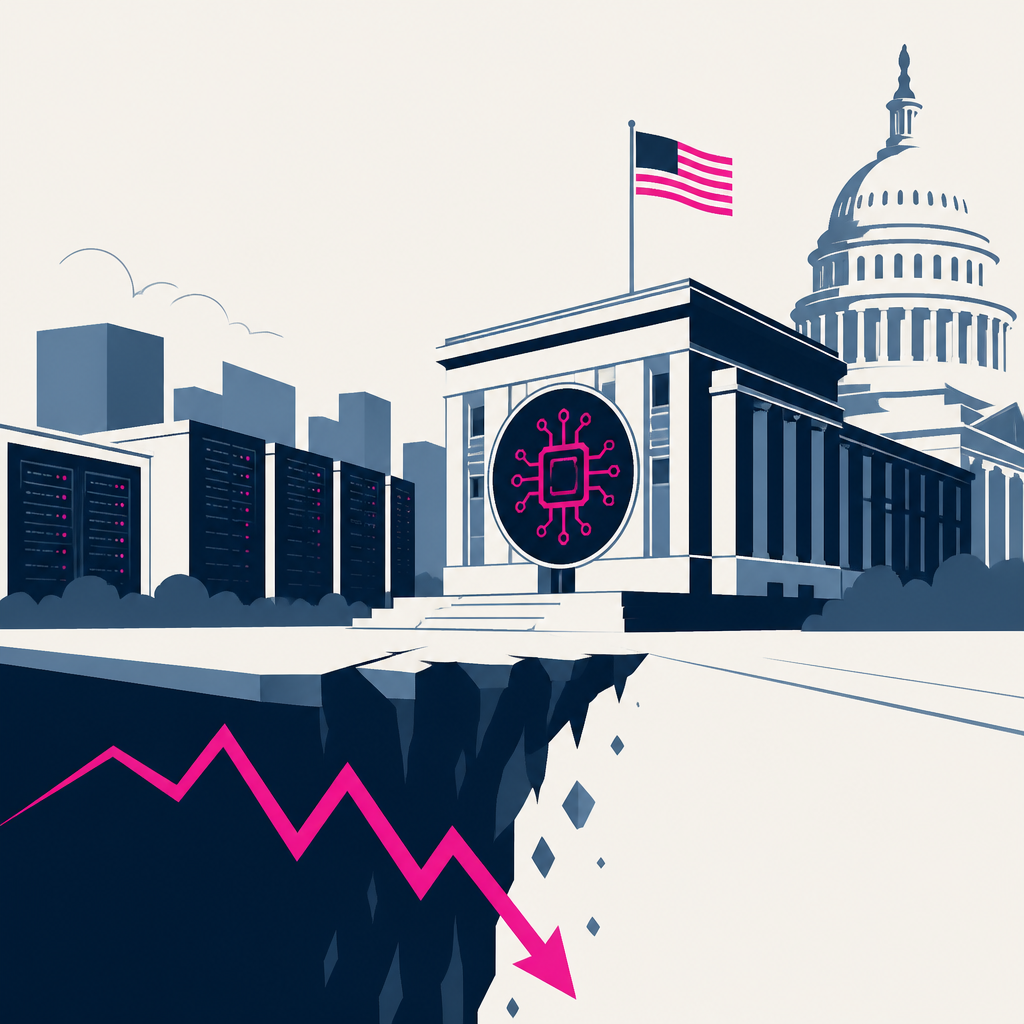
The author argues that appointing an AI czar is not enough because repeated AI incidents and weakening public/investor trust could trigger a broader pullback that harms the U.S. economy. In 2025, Amazon, Meta, Alphabet, and Microsoft invested $400 billion in data centers alone. The proposed change is to create a fully staffed Department of AI with authority to set pre- and post-deployment risk frameworks, run audits, impose fines, and draft faster legislation to reduce risk and preserve investment confidence.
Every AI story that matters,
in your inbox by 8am.
TLDRocket reads all relevant sources, removes duplicate coverage, and summarises the
day in two minutes. Follow companies and topics for alerts, or get the
briefing in Slack. Free, no spam, unsubscribe anytime.
Reading TLDRocket needs no cookies, and the readership counts we rely on come from
our own cookieless analytics. Google Analytics is the exception: it sets cookies and
reports to Google, so it stays switched off until you allow it. You can change your
mind any time from “Cookie settings” in the footer.
Strictly necessary
Session security and form protection (tldrocket-session,
XSRF-TOKEN, 2 hours). The site cannot work without them,
so they need no consent.
Always on
Google Analytics 4 (_ga,
_ga_<id>, up to 2 years). Measures which
stories and sections readers use. Google acts as a third-party processor and may
store the data outside the EU. No advertising, no profiling, no data sold.