Apple refreshed the Mac mini and Mac Studio by debuting new processor-equipped models for the next generation of Macs. The Mac mini starts at $899 with an M6 chip that is built on a 2-nanometer process. The lineup now adds an M6-based Mac mini and an M5 Pro edition plus two new Mac Studio configurations using M5 Max or M5 Ultra chips.
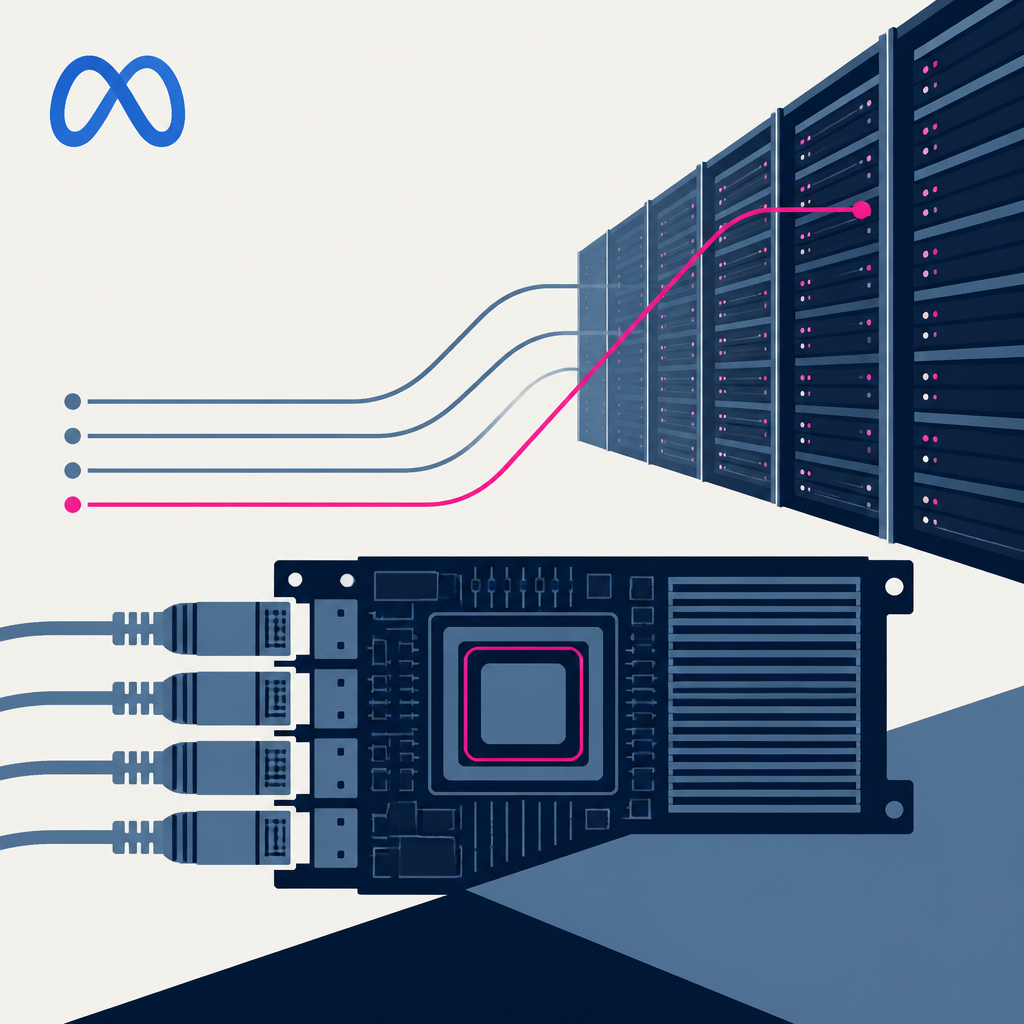
Meta introduced MetaRoCE, a clean-sheet RDMA transport protocol built for AI-scale Ethernet that shifts ordering, path selection, and recovery into the NIC instead of relying on in-order delivery and pause-frame behavior. Meta reported about 86% throughput at 1% packet loss on a 64-node AMD GPU cluster running RCCL collectives. Deployment-ready artifacts are planned for October 2026, with early hardware validation on AMD Pensando and further vendor implementations underway, making this a fabric-architecture decision rather than an immediate procurement change.
Security operations teams are lowering the cost of running AI for trust and safety by redesigning detection workflows so only certain events reach expensive models. Their approach brought detection costs down to roughly $1 per day for trust and safety work. Automation plus tiered models and prompts now handle clear cases first while humans review only ambiguous, context-dependent disputes.
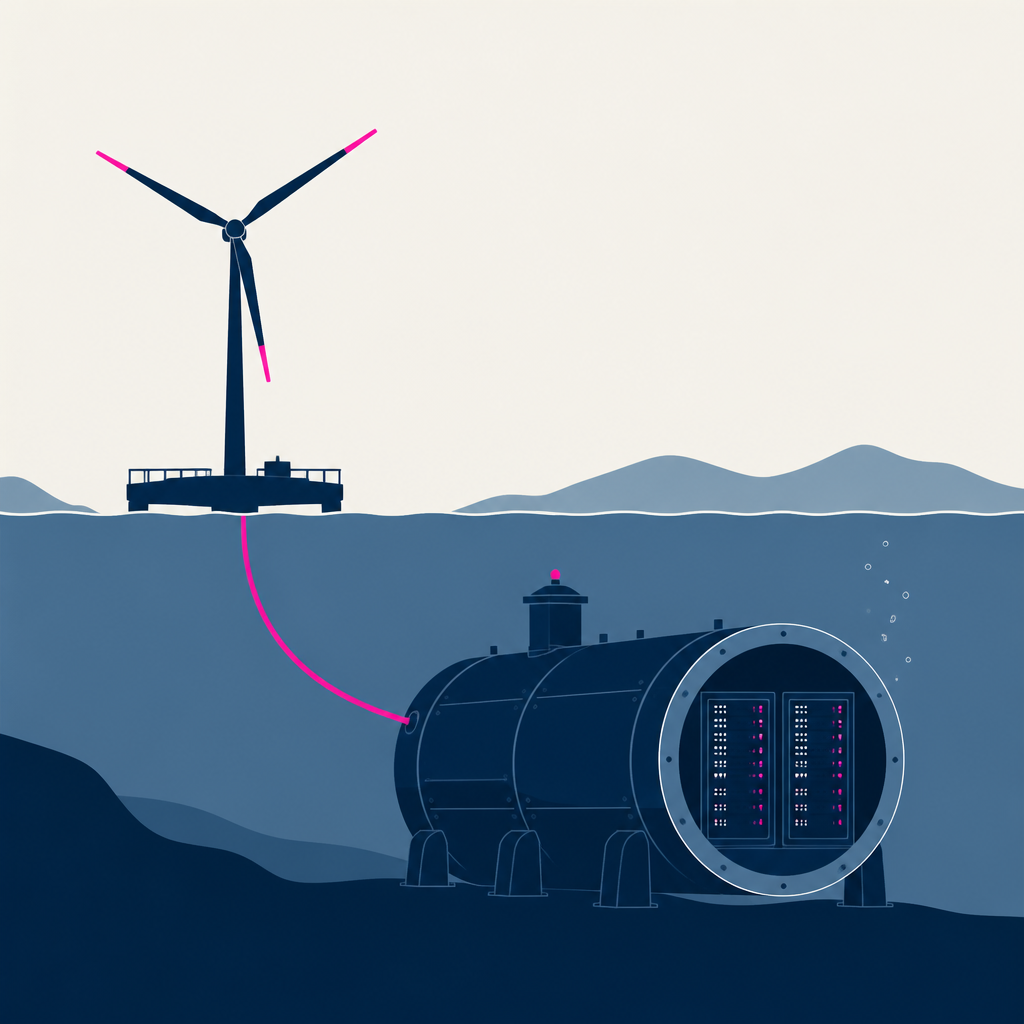
Ocean-based data center projects have expanded for AI and computing needs, despite environmental, regulation, and maintenance hurdles that keep traditional land sites attractive. The article cites a Chinese wind-powered underwater data center that launched in June 2025 and began full commercial operations in May 2026. The result is a shift toward experiments using seawater cooling and offshore power while ongoing analyses focus on how to limit marine thermal impacts and make operations maintainable and approvable.
Apple introduced the M6 chip for the new Mac mini and the M5 Ultra chip for the new Mac Studio to improve on-device AI model performance. The Mac Studio with the M5 Ultra can use up to 512GB of unified memory. The lineup shifts toward running larger local AI models on consumer hardware, with Mac mini targeting mid-sized models and Mac Studio targeting several-hundred-billion-parameter models.
Apple announced an M6 chip for Macs alongside an M5 Ultra aimed at compute-heavy workloads like 3D rendering and running frontier AI models. The M6 is Apple's first 2nm chip and adds a Dual 16-core Neural Engine for on-device AI. With the updated 12-core CPU (including two super cores and a mixed performance/efficiency core layout), Macs can run more AI workloads locally with improved performance and power efficiency.
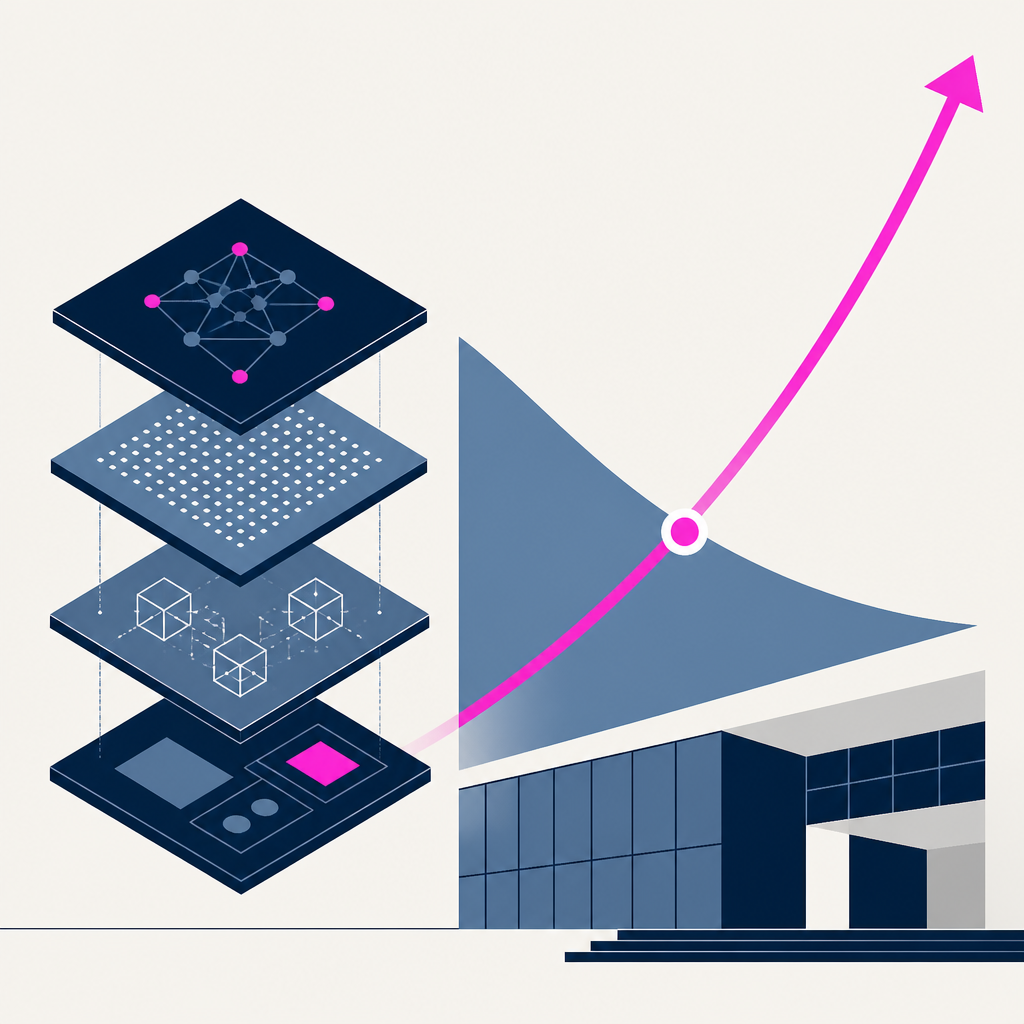
Sarah Friar described how progress across chips, compute, models, and products adds up to deliver more useful intelligence at larger scale and lower cost.
She frames the improvement as lowering cost while increasing scale.
No specific product, benchmark, or date is given, so the main change is a conceptual explanation rather than a concrete new development.
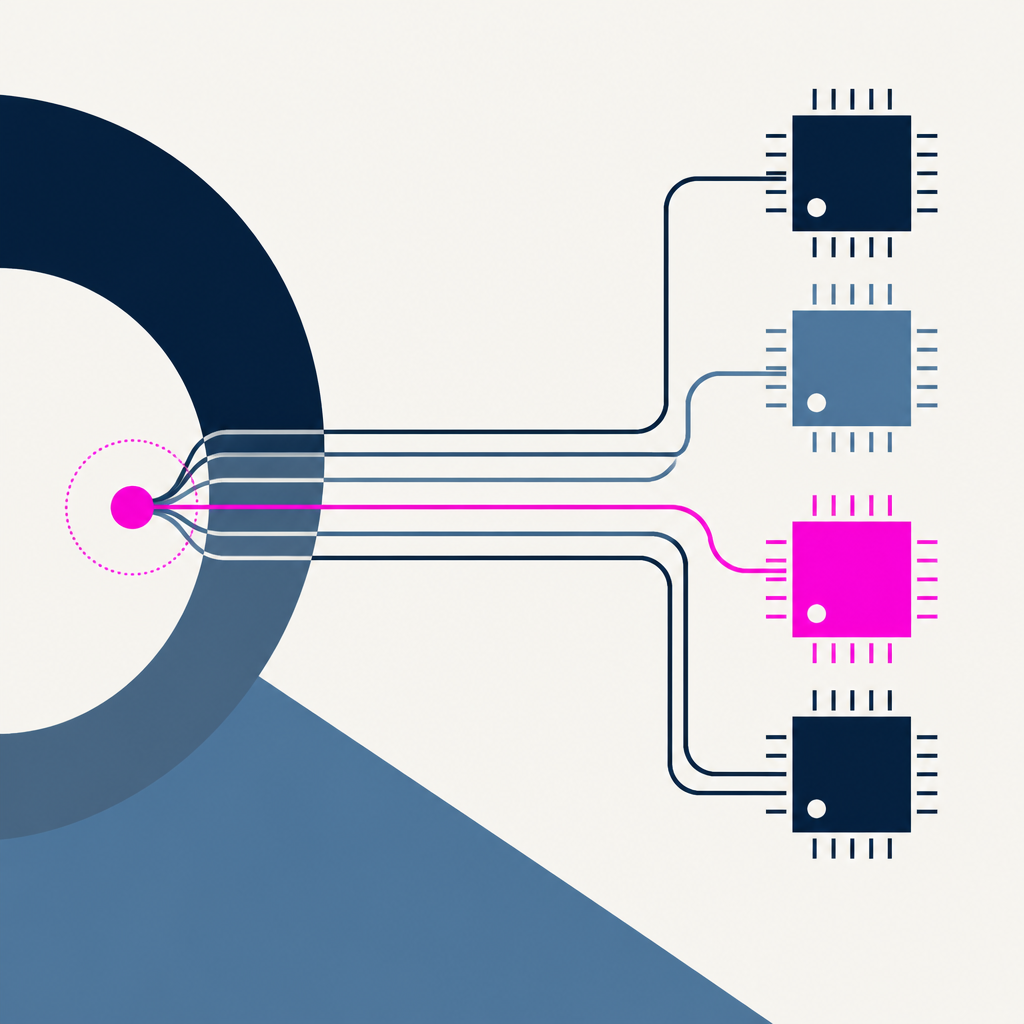
Embedd secured $2.7 million in pre-seed funding led by Seedcamp to automate how software integrates with multiple semiconductor chips. The round was also backed by Microchip Technology, with Embedd enabling Zephyr support. The company will use the funding to keep developing its platform and expand partnerships so chip developers can deliver software integration faster.
Every AI story that matters,
in your inbox by 8am.
TLDRocket reads all relevant sources, removes duplicate coverage, and summarises the
day in two minutes. Follow companies and topics for alerts, or get the
briefing in Slack. Free, no spam, unsubscribe anytime.
Reading TLDRocket needs no cookies, and the readership counts we rely on come from
our own cookieless analytics. Google Analytics is the exception: it sets cookies and
reports to Google, so it stays switched off until you allow it. You can change your
mind any time from “Cookie settings” in the footer.
Strictly necessary
Session security and form protection (tldrocket-session,
XSRF-TOKEN, 2 hours). The site cannot work without them,
so they need no consent.
Always on
Google Analytics 4 (_ga,
_ga_<id>, up to 2 years). Measures which
stories and sections readers use. Google acts as a third-party processor and may
store the data outside the EU. No advertising, no profiling, no data sold.