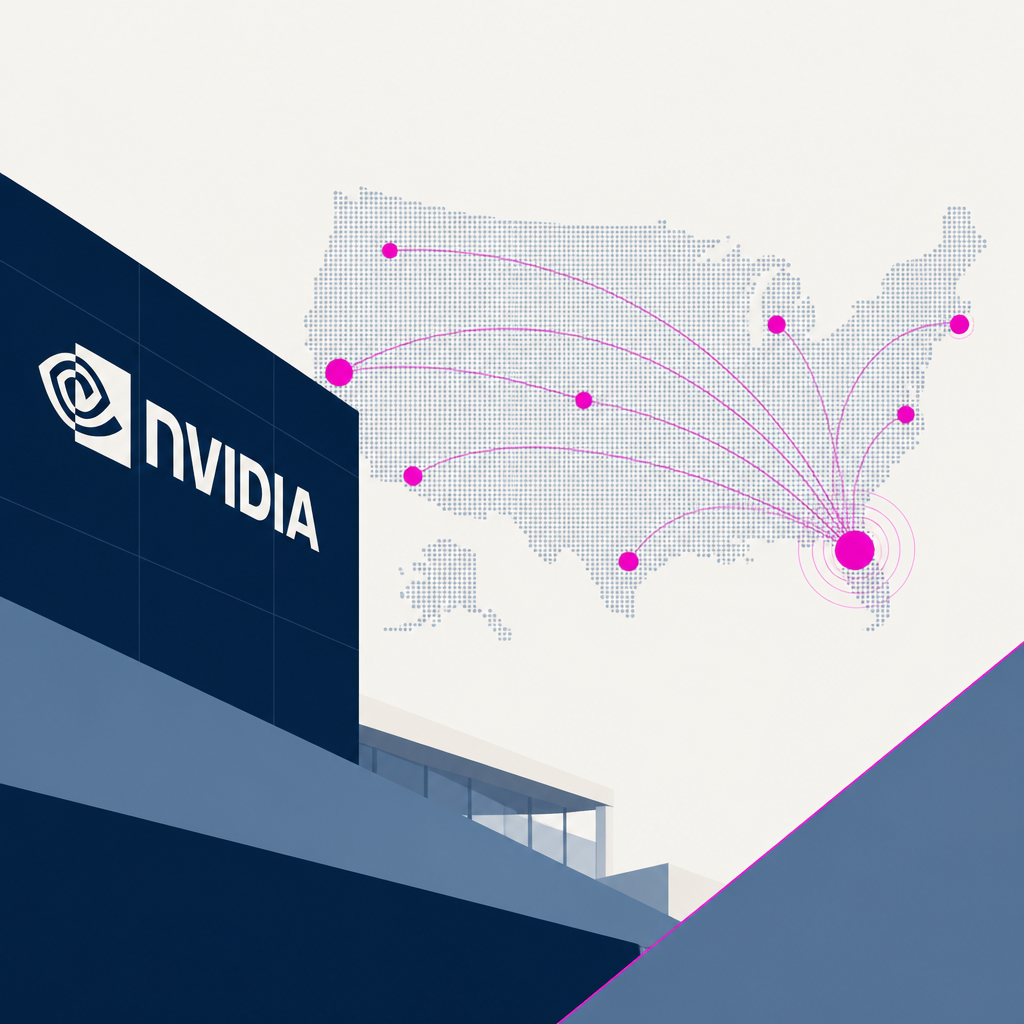
NVIDIA is participating in the NSF's State and Regional AI Infrastructure Hubs program, which launched today to expand AI computing access and education across US universities and regional consortia. The University of Florida model from 2020, which grew to over 300 AI-focused faculty and $511 million in research awards, will serve as a national template for the program. Regional hubs will enable institutions to share computing resources, develop workforce training pathways, and connect AI research infrastructure to local economic priorities and employer needs.
Grassroots organizations like AI Salon and AI Collective have launched chapters globally since 2023 to hold conversations about AI's societal impact beyond Silicon Valley's dominant narrative. AI Salon operates in three cities with ~20-person gatherings, while AI Collective has grown to 200,000 members across 200 chapters in 50 countries, mostly run by volunteers. These groups aim to broaden AI discourse and build local agency, though critics note participants still tend to be tech-industry workers reproducing existing power imbalances rather than reaching ordinary people.
OpenAI released new education plugins for ChatGPT Work and Codex designed to support K-12 teachers, college educators, and students in learning, teaching, research, and building activities. The plugins enable integration of AI tools directly into educational workflows without specified technical details or rollout timeline. Teachers and students gain access to AI-assisted capabilities for classroom instruction and project development.
Every AI story that matters,
in your inbox by 8am.
TLDRocket reads all relevant sources, removes duplicate coverage, and summarises the
day in two minutes. Follow companies and topics for alerts, or get the
briefing in Slack. Free, no spam, unsubscribe anytime.
Reading TLDRocket needs no cookies, and the readership counts we rely on come from
our own cookieless analytics. Google Analytics is the exception: it sets cookies and
reports to Google, so it stays switched off until you allow it. You can change your
mind any time from “Cookie settings” in the footer.
Strictly necessary
Session security and form protection (tldrocket-session,
XSRF-TOKEN, 2 hours). The site cannot work without them,
so they need no consent.
Always on
Google Analytics 4 (_ga,
_ga_<id>, up to 2 years). Measures which
stories and sections readers use. Google acts as a third-party processor and may
store the data outside the EU. No advertising, no profiling, no data sold.