
NVIDIA Joins NSF State and Regional AI Hubs Program to Expand AI Research and Education Across the US
NVIDIA John Josephakis
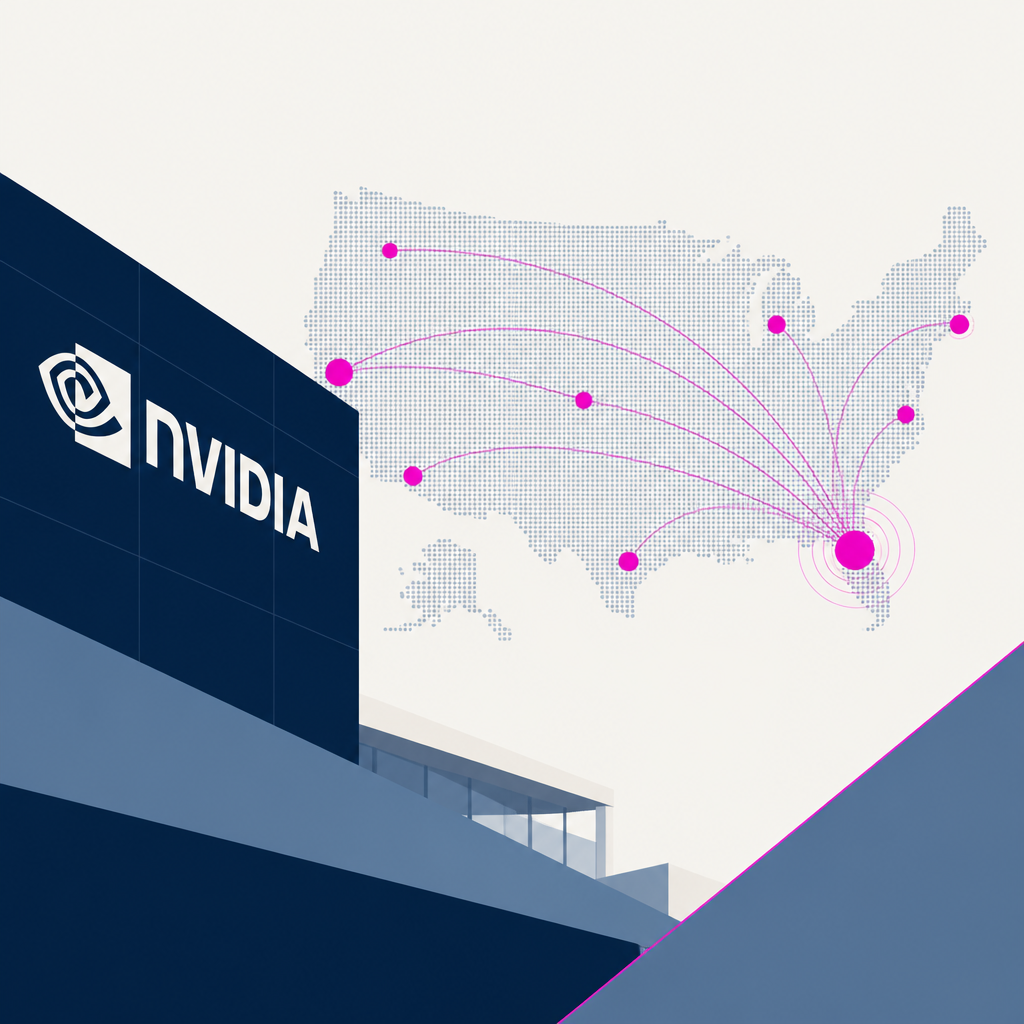
NVIDIA is joining an NSF program to set up AI computing hubs at colleges across the US. It's modeled on a University of Florida deal that already helped pull in over $511 million in AI research funding.
Based on reporting by NVIDIA, John Josephakis — read the original for the full story.
Summary, retelling and take written by AI under human oversight; images are AI-generated illustrations. How we work · Report an error
NVIDIA is folding itself into the U.S. National Science Foundation's new State and Regional AI Infrastructure Hubs program, which launches today and aims to spread access to the computing power, data, software and expertise that AI-driven research and teaching now require. The effort sits under the wider Genesis Mission umbrella and is built to help state and multistate groups of colleges and universities pool resources rather than each fending for itself.
The structure is deliberately loose. Consortia can mix on-premises hardware with cloud computing, or lean entirely on one or the other, shaping the setup around whatever their region's economy actually needs. Money and support come from a blend of private industry, philanthropic groups, and state and local governments, with the idea being that no single funding source has to carry the whole project.
The template for all this is the partnership NVIDIA struck with the University of Florida and NVIDIA cofounder Chris Malachowsky back in 2020, which turned UF into what NVIDIA calls the country's first true AI university and opened AI compute access to every public university in the state. The numbers since then are not small: UF has grown to more than 300 AI-focused faculty, woven AI into all 16 of its colleges, and pulled in over $511 million in AI research awards since 2017. That Florida experiment is now being treated as the national blueprint.
This new hubs program also builds directly on the NSF-led National Artificial Intelligence Research Resource pilot, where NVIDIA was already a major contributor. Through NAIRR, NVIDIA worked with university research teams around the country to turn raw computing capacity into something researchers could actually use — moving projects from idea to experiment to published discovery, while giving students hands-on exposure along the way.
Infrastructure alone doesn't create a workforce, and the announcement leans hard on that point. Universities, community colleges and regional partners are being pushed to build degree programs, short certificates and stackable credentials that carry people from basic AI literacy into applied skills usable in physical AI and automation, healthcare, energy, agriculture, manufacturing, quantum computing and cybersecurity. NVIDIA's role here is support rather than delivery: training materials, educator resources, technical guidance and access to partner platforms, aimed at helping schools go from simply having AI tools to actually teaching people to use them.
The pitch throughout is that no institution, company or government agency can pull this off solo. Public money and private technology are supposed to meet in the middle, with universities and community colleges steering that combined capability toward the research priorities and job markets specific to their own regions.
My take — AI-written commentary, not fact-checked reporting
NVIDIA turning its own University of Florida playbook into the literal template for a federal program is a pretty tidy trick — it gets to look like a generous infrastructure partner while quietly becoming the default vendor baked into how American public universities teach and research AI for the next decade. That's not necessarily bad, but people should notice when one company's hardware and training materials become the reference architecture for a taxpayer-backed national initiative. The workforce angle is the part worth watching closest: credentials and certificates sound great until you ask whose tools those credentials are actually certifying people to use.
Read more about this at: NVIDIA