The AI industry is pushing enterprises to track AI progress using token or model-call usage metrics, but the article argues those mostly reflect vendor revenue rather than enterprise value. On Aug. 6, The Information reported Canva cut its 2026 revenue-growth forecast from 30% to 20% after AI features proved more expensive to run than expected. The result is an emphasis on “financial sovereignty,” where enterprises control routing, model costs, evaluation rules, and exit options to capture more of the economic value from their AI usage.
Maxio CEO Branden Jenkins noticed his AI agent had automatically run up a $1,000 token charge while he was away at dinner. The billing was set to auto-renew in $1,000 increments without requiring approval until he checked the dashboard. He responded by changing how internal agents are governed—adding token-cost controls and access rules to address employee insecurity rather than just reducing spending.
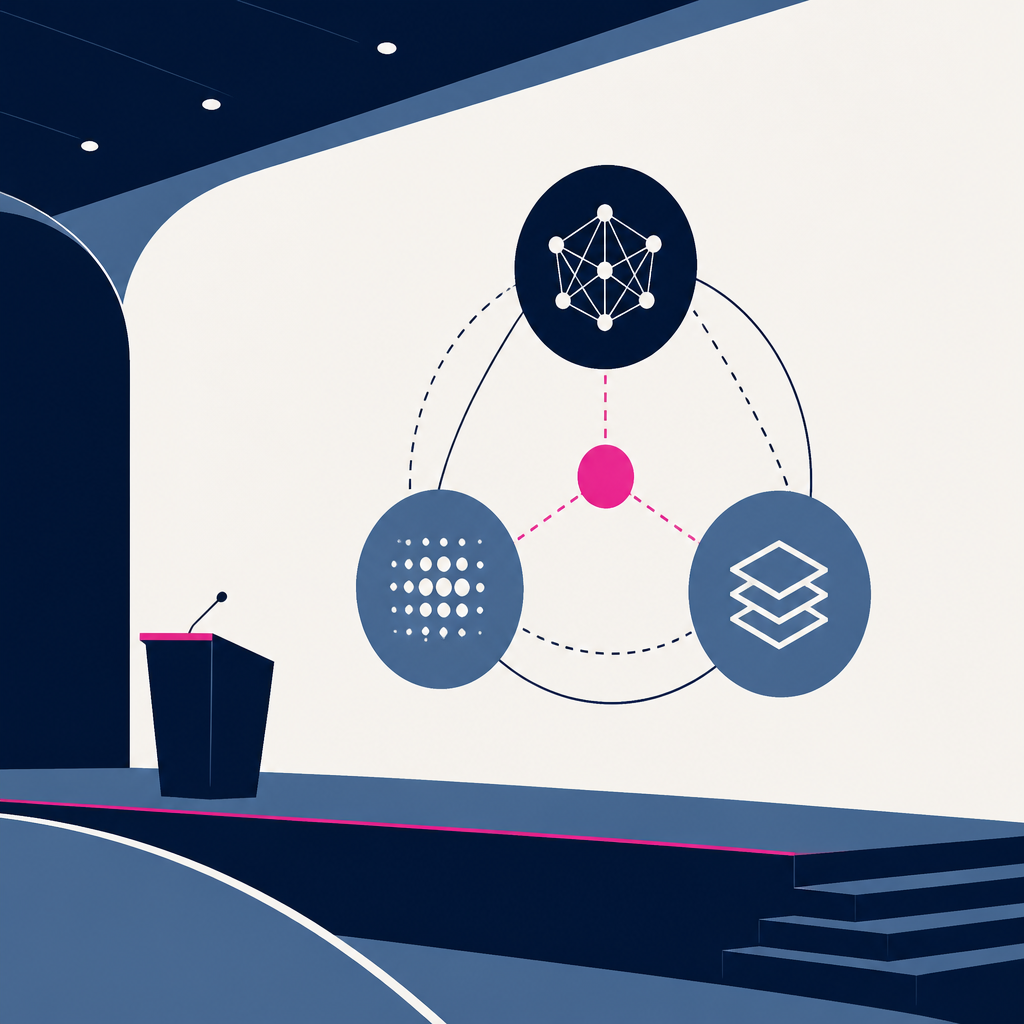
The AI economy in 2026 is described as a three-body system where frontier labs, open-weight models, and application companies each influence the others but none can control the final outcome. Spending on AI is estimated at between 0.5 and 1 percent of all US white-collar salaries, driving scrutiny of ROI and pressure for cheaper alternatives as competition intensifies. Open-weight models and applications gain momentum as prices face downward pressure and the market shifts further toward multi-model choices.
Every AI story that matters,
in your inbox by 8am.
TLDRocket reads all relevant sources, removes duplicate coverage, and summarises the
day in two minutes. Follow companies and topics for alerts, or get the
briefing in Slack. Free, no spam, unsubscribe anytime.
Reading TLDRocket needs no cookies, and the readership counts we rely on come from
our own cookieless analytics. Google Analytics is the exception: it sets cookies and
reports to Google, so it stays switched off until you allow it. You can change your
mind any time from “Cookie settings” in the footer.
Strictly necessary
Session security and form protection (tldrocket-session,
XSRF-TOKEN, 2 hours). The site cannot work without them,
so they need no consent.
Always on
Google Analytics 4 (_ga,
_ga_<id>, up to 2 years). Measures which
stories and sections readers use. Google acts as a third-party processor and may
store the data outside the EU. No advertising, no profiling, no data sold.