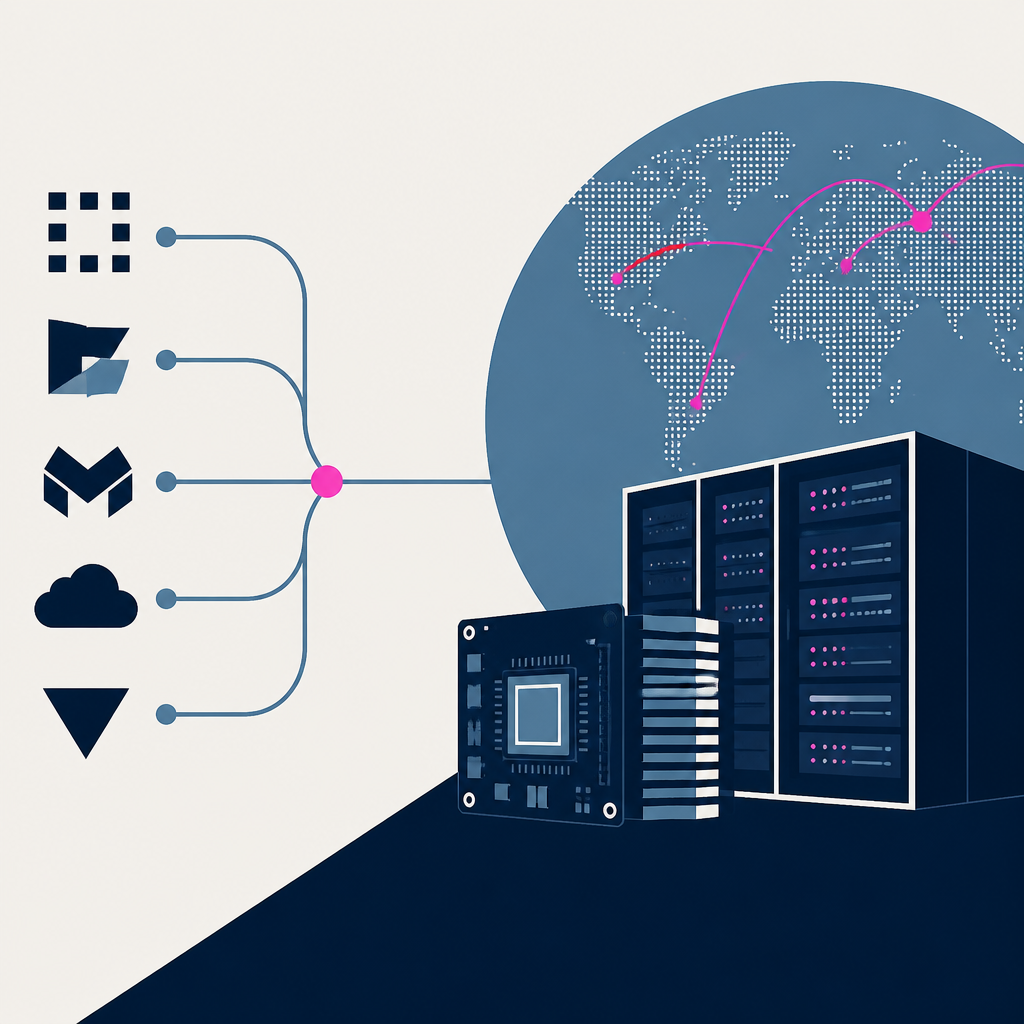
OpenAI CEO Sam Altman acknowledged that Americans are broadly hostile to data centers as the company expands compute for its AI plans, and OpenAI’s head of data centers Chris Malone left the company after a “recently reorganized” infrastructure shift. OpenAI plans to spend $50 billion on compute this year, even as data center approvals face local moratoriums and scrutiny. The result is more resistance and tighter permitting and regulatory conditions for OpenAI and other hyperscalers, including new state requirements and stalled or blocked projects.
A set of AI coding-agent benchmarking efforts found that using different harnesses with the same underlying model can cause very large differences in token usage and cost. One result showed token use per solved task ranging from about 3,500 for Aider (architect mode) to 292,000 for OpenClaw. The findings shift optimization toward harness prompt/context overhead and cache-hit behavior—so enterprises should measure cost per verified outcome rather than raw token counts.
E2B, Daytona, Modal Sandboxes, Cloudflare Sandbox SDK, and Vercel Sandbox were compared across cold starts, per-second pricing, filesystem persistence, and egress policy to make their agent-sandbox units measurable. The August 21, 2026 benchmark run reported median time-to-interactive values ranging from 0.67s (Vercel Sandbox) to 5.06s (Cloudflare Sandbox) with differing success rates and burst conditions. The result is a practical testing and costing framework (TTI/task checkpoints plus normalized rate-card calculations) that changes provider selection based on concurrency capacity, idle billing, persistence defaults, and how network rules are applied.
Anthropic moved its Files API and computer-use tools out of beta and tested using Files API uploads versus repeatedly pasting reference text and using prompt caching for the same support-bot workload. Prompt caching cut billed input to about a third of pasting across 5 requests, while Files API added about 125 more input tokens than pasting. Files API primarily saves setup time, whereas prompt caching is what reduces cost (and the best option is using both when both needs apply).
The Sequence Opinion argues that AI’s sixth layer is finance, sitting beneath the commonly described layers that run from energy to applications. It points to “#921” and says Jensen Huang’s five-layer model is incomplete because the “cake” also exists on balance sheets and through financial constraints. As a result, the article reframes AI bottlenecks and growth as depending on power contracts, depreciation, debt covenants, and teams managing expensive hardware uptime rather than only on model quality.
Nvidia issued its first year-ahead forecast, projecting a 70% revenue increase next fiscal year, after reporting results that beat expectations and citing accelerating demand for its AI chips. The company forecast fiscal 2028 revenue growth of 70% and said customers’ forecasts indicate growth doubling next year, while also noting supply constraints limit delivery. Nvidia’s new guidance resets market expectations for next-year sales and sets updated supply, margin, and financing-related outlooks for investors to follow.
Every AI story that matters,
in your inbox by 8am.
TLDRocket reads all relevant sources, removes duplicate coverage, and summarises the
day in two minutes. Follow companies and topics for alerts, or get the
briefing in Slack. Free, no spam, unsubscribe anytime.
Reading TLDRocket needs no cookies, and the readership counts we rely on come from
our own cookieless analytics. Google Analytics is the exception: it sets cookies and
reports to Google, so it stays switched off until you allow it. You can change your
mind any time from “Cookie settings” in the footer.
Strictly necessary
Session security and form protection (tldrocket-session,
XSRF-TOKEN, 2 hours). The site cannot work without them,
so they need no consent.
Always on
Google Analytics 4 (_ga,
_ga_<id>, up to 2 years). Measures which
stories and sections readers use. Google acts as a third-party processor and may
store the data outside the EU. No advertising, no profiling, no data sold.