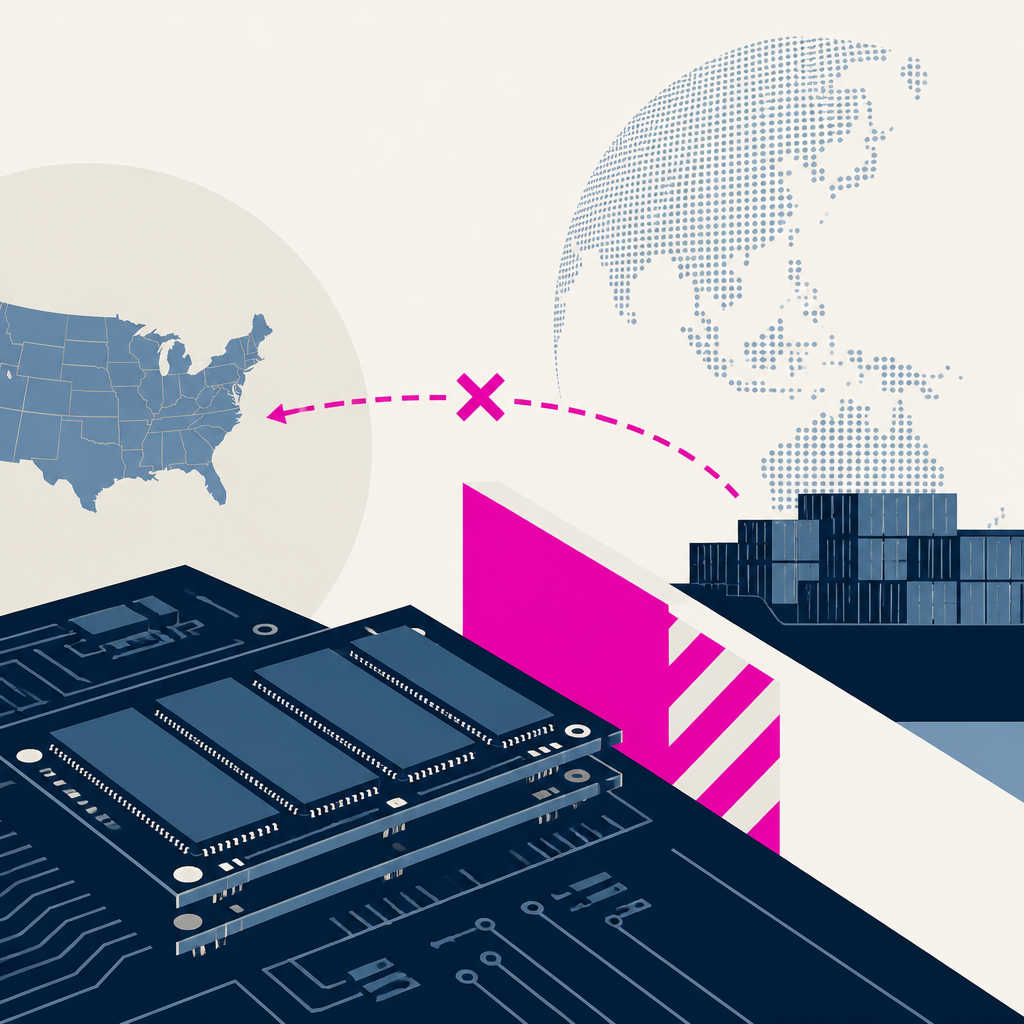
CSET’s Hanna Dohmen said the United States relies heavily on foreign-made memory chips and that proposed tariffs could make it harder to expand domestic semiconductor production. She pointed to AI-driven price pressure for memory chips, warning of supply-disruption risks to businesses and national defense. The focus shifts toward accelerating domestic memory-chip capacity while evaluating tariff impacts on supply and costs.
Cisco CEO Chuck Robbins warned that employees uncomfortable with rapid, ongoing change from AI will struggle because “nothing’s going to feel good right now.” He said Goldman Sachs economists found AI substitution wiped out about 25,000 roles per month over the past year, reducing net tech jobs by roughly 16,000 per month. As companies restructure around AI agents, workers face job cuts and shifting skill expectations rather than guaranteed stability.
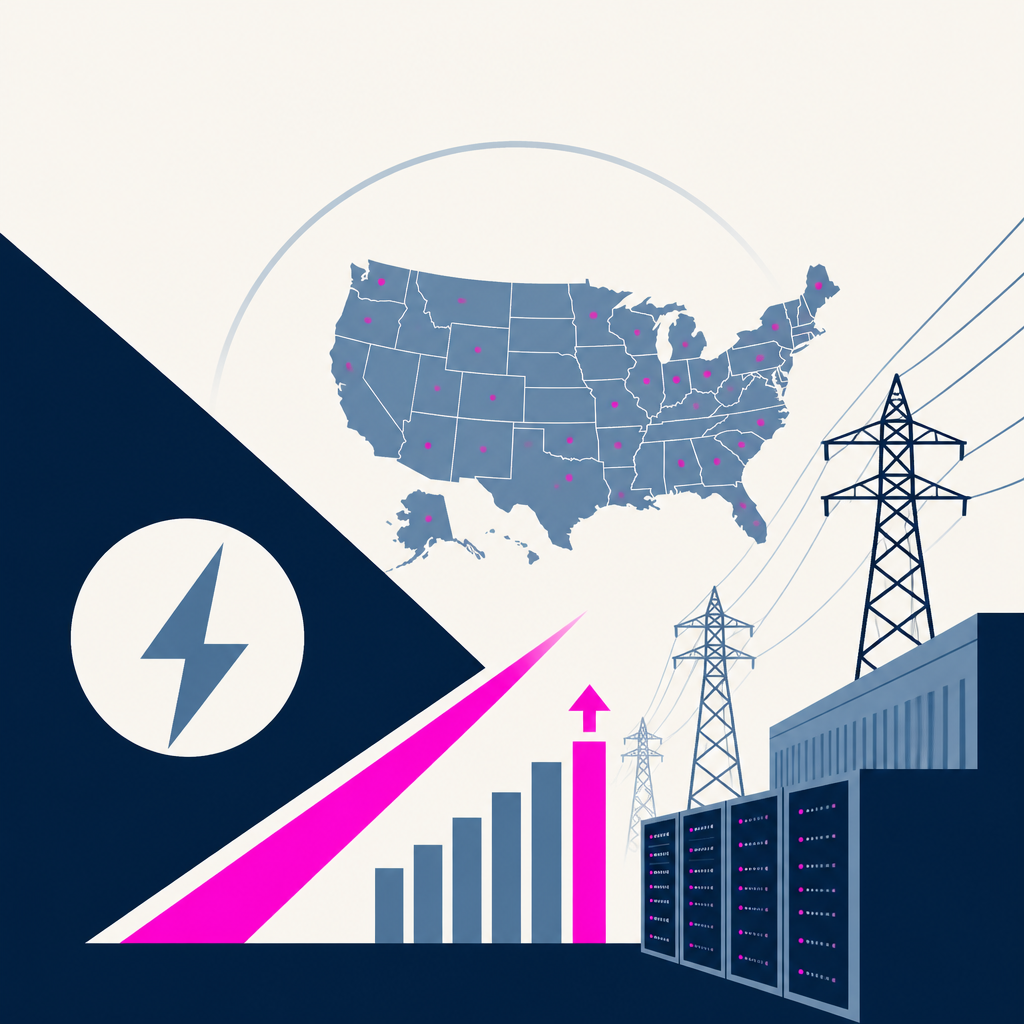
The U.S. Energy Department planned to award nearly $2 billion in grants to add capacity and reliability to the aging grid amid rising electricity demand tied to AI data centers. It will fund 31 projects across 26 states expected to deliver more than 23 gigawatts of additional capacity, enough for about 16 million homes. The effort will expand real-time monitoring and grid rerouting over thousands of miles of transmission lines, aiming to improve reliability and reduce costs for around 100 million Americans.
Oracle sent a force majeure notice to the developer of its Project Jupiter Stargate data center campus in New Mexico. The notice would allow delayed payments if the facility misses its 2028 go-live target. Energy and permitting setbacks tied to the site’s fuel supply increase pressure on the project’s timeline and payment schedule despite Oracle saying it expects to stay on schedule.
Modal Labs is in negotiations to raise new funding at a $15 billion valuation, which would lift its value from $4.65 billion four months earlier. The new round could nearly triple the valuation in four months, following a May $355 million raise at the same $4.65 billion level. Investors are focusing more on AI inference and infrastructure efficiency, pushing Modal to scale its GPU-sharing and coding sandbox offerings as demand concentrates on inference compute.
Every AI story that matters,
in your inbox by 8am.
TLDRocket reads all relevant sources, removes duplicate coverage, and summarises the
day in two minutes. Follow companies and topics for alerts, or get the
briefing in Slack. Free, no spam, unsubscribe anytime.
Reading TLDRocket needs no cookies, and the readership counts we rely on come from
our own cookieless analytics. Google Analytics is the exception: it sets cookies and
reports to Google, so it stays switched off until you allow it. You can change your
mind any time from “Cookie settings” in the footer.
Strictly necessary
Session security and form protection (tldrocket-session,
XSRF-TOKEN, 2 hours). The site cannot work without them,
so they need no consent.
Always on
Google Analytics 4 (_ga,
_ga_<id>, up to 2 years). Measures which
stories and sections readers use. Google acts as a third-party processor and may
store the data outside the EU. No advertising, no profiling, no data sold.