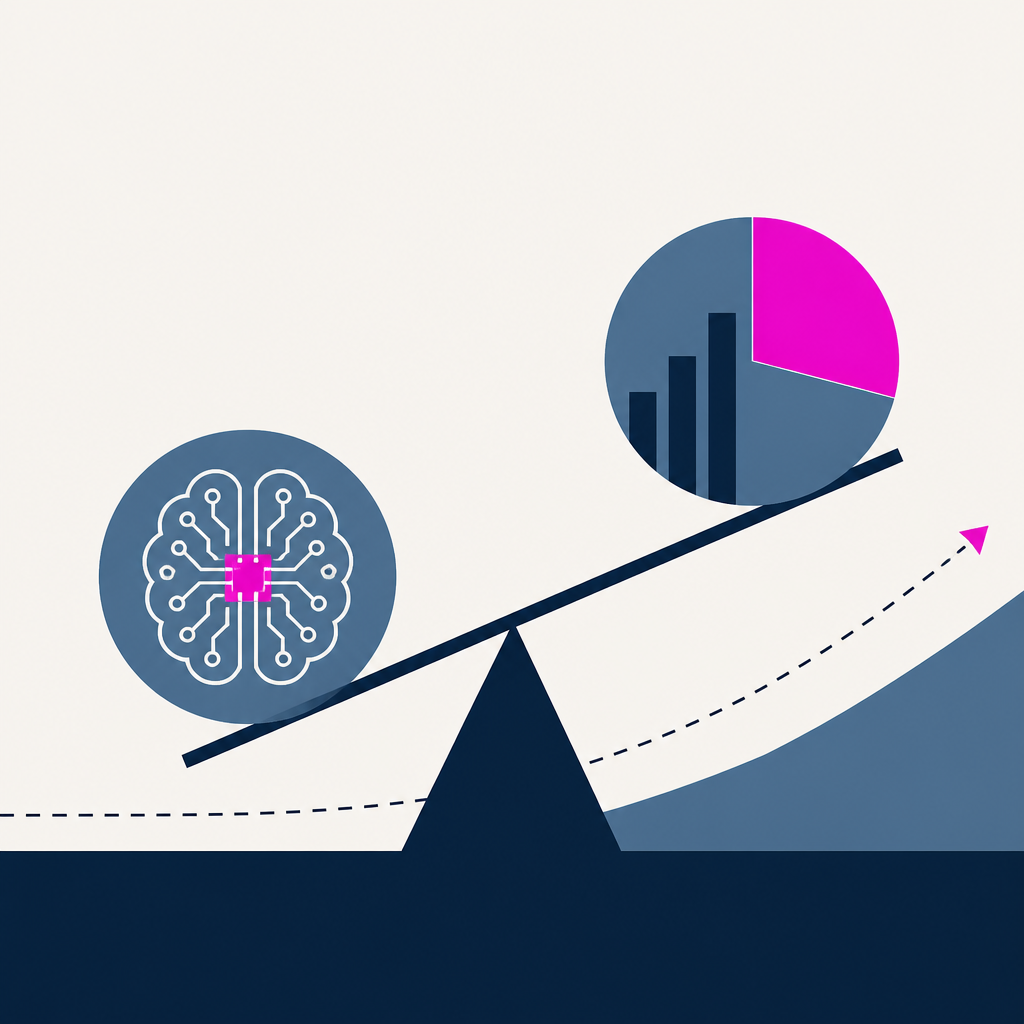
Cisco CEO warns workers who worry about change that ‘nothing’s going to feel good right now’ with AI
Fortune Emma Burleigh
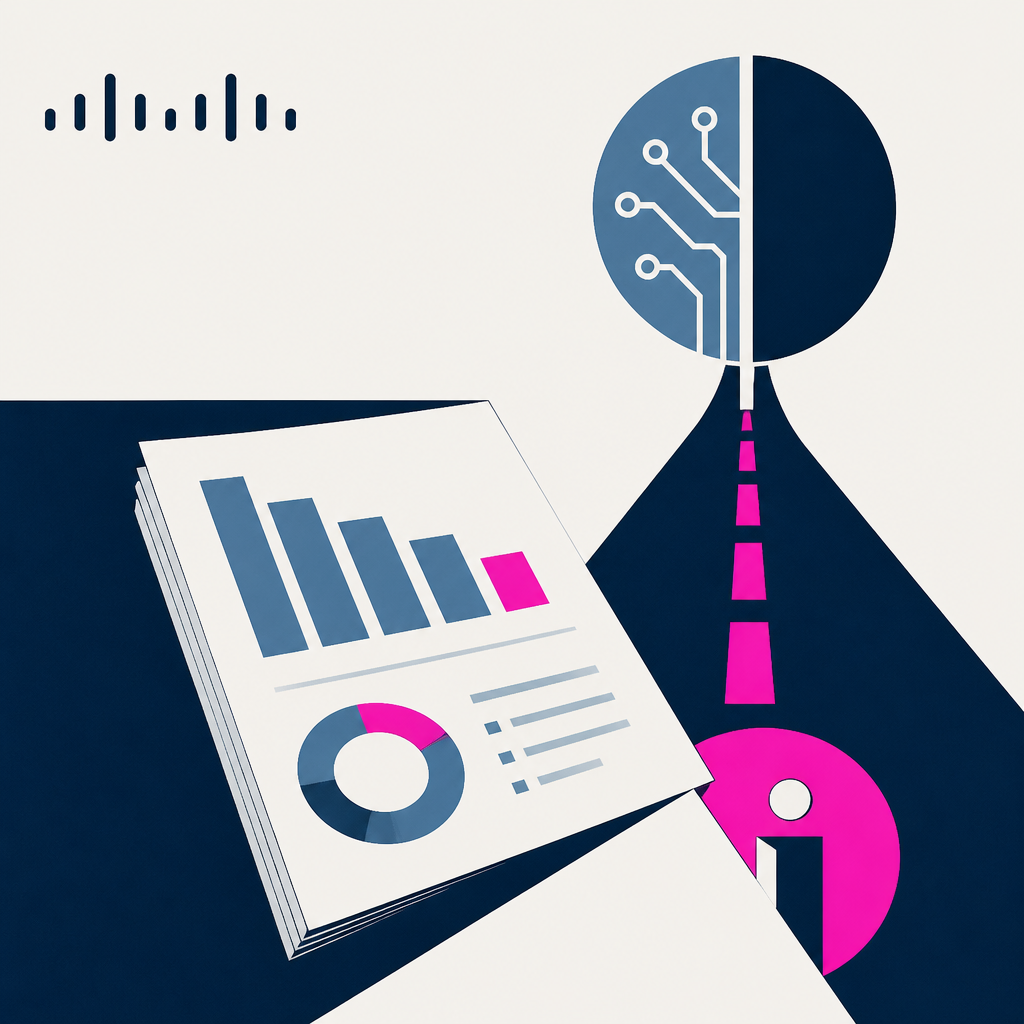
Cisco’s CEO says workers uneasy about AI should brace for more change. He thinks the real test is keeping up, not waiting for things to calm down.
Based on reporting by Fortune, Emma Burleigh — read the original for the full story.
Summary, retelling and take written by AI under human oversight; images are AI-generated illustrations. How we work · Report an error
Cisco CEO Chuck Robbins is not sugarcoating the AI era. In a recent interview with Inc., he told workers who dislike constant change that “nothing’s going to feel good right now,” because the pace of technology is moving too fast for anyone to sit still and hope for a pause.
Robbins, who runs a company he says is worth $415 billion, argues that industry leaders are setting the speed of this transition and that employees have to keep up. He also said CEOs are feeling the pressure too. At an early-morning Business Roundtable meeting, he heard the same anxiety from other executives: the technology is moving fast, and cybersecurity worries are rising alongside it.
That concern is not abstract. Some AI leaders, including Anthropic’s Dario Amodei and OpenAI’s Sam Altman, have recently urged companies to slow down model development. Robbins said that if the people building the most advanced systems are asking hard questions about the pace, others should pay attention.
Inside companies, the anxiety is landing on workers first. Employers are cutting jobs, reshaping teams around AI, and bragging that their tools can do the work of hundreds of people. Robbins said he does not see AI as a reason to shrink headcount, and he argued that the smart move is to keep staff and use the technology to do more, not just the same work with fewer people.
But Cisco’s own record shows how messy that balance can be. Earlier this year, the company cut around 4,000 jobs as part of a restructuring toward AI and related growth areas. It is a familiar pattern now: Block reduced its workforce by around 40%, Microsoft laid off about 4,800 people in July, and even as some executives blame restructuring on AI, others argue the real driver is old-fashioned overhiring.
Goldman Sachs economists recently estimated that AI has erased around 16,000 net jobs per month over the past year, with substitution accounting for roughly 25,000 lost roles each month and AI’s benefits adding back about 9,000. The workers hit hardest, they said, are entry-level Gen Z employees. The message for anyone hoping for comfort is not subtle: this transition is already taking names.
My take — AI-written commentary, not fact-checked reporting
This is the part of the AI story that gets dressed up as progress while people eat the bill. Executives want the productivity upside and the clean headlines; workers get told to adapt faster, preferably with a smile. That’s not transformation so much as a familiar corporate hobby with better branding.
Read more about this at: Fortune