Simon discusses how coding agents can change software development by making lines of code productivity potentially measurable, but also by threatening “conceptual integrity” as features get added quickly.
SpaceX attempted to acquire AI coding startup Cognition, but Cognition’s CEO Scott Wu denied the claim that any deal talks took place. The report references SpaceX’s $60 billion acquisition of Cursor that closed last week. As a result, Cognition said it is not for sale and that talks haven’t occurred, even as the companies could still explore cooperation.
OpenAI merged an asynchronous user-messaging tool into Codex so an agent can ask a developer a question, keep working on unrelated tasks, and later incorporate the developer’s reply. The change uses accepted responses from send_user_message_async and then continues the model’s turn, with the update “Still investigating.” returned for the same test cycle. Codex no longer has to block on input, but it can still proceed past unresolved choices without checkpointing or automatic rollback, leaving it to handle any conflicts after the reply arrives.
Evidence Core promotes a discussion about building live analytics using coding agents. The only concrete detail provided is the page title, “Evidence Core.” As a result, there’s no reported metric, release, or change beyond pointing readers to the discussion link.
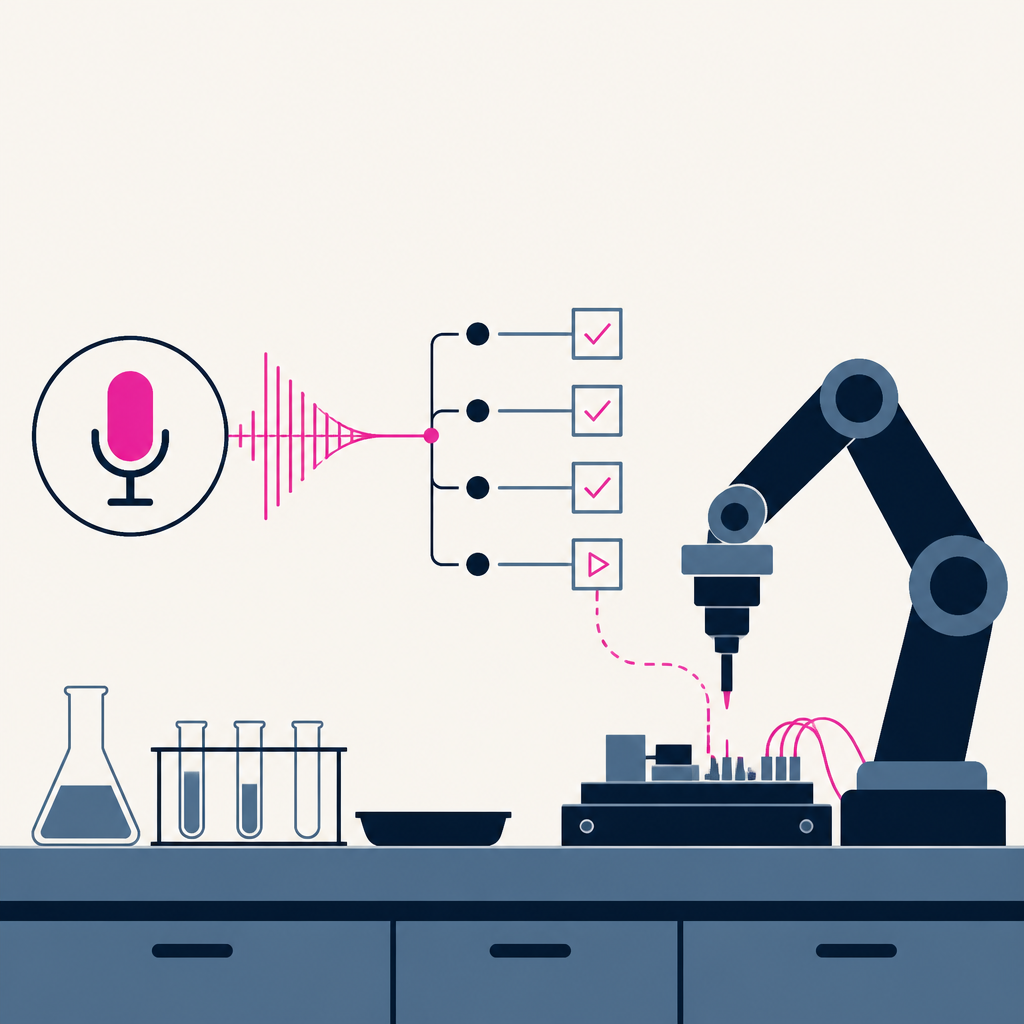
Aloud turns spoken feedback into tasks a coding agent can execute. No number, date, or price is provided in the article. As a result, voice input can be converted into runnable coding instructions rather than remaining only verbal feedback.
Adronite launched Codistry, an AI coding platform that uses a patented context engine to map codebases and feed models only relevant code sections, reducing token consumption. In benchmarks against Claude Code on comparable tasks, Codistry consumed roughly half the tokens, lowering per-task costs by 48% (from $2.12 to $1.10 on PocketBase). This approach allows enterprises to use AI coding tools on proprietary code without sending it to external endpoints, targeting regulated industries and companies with IP protection concerns.
Every AI story that matters,
in your inbox by 8am.
TLDRocket reads all relevant sources, removes duplicate coverage, and summarises the
day in two minutes. Follow companies and topics for alerts, or get the
briefing in Slack. Free, no spam, unsubscribe anytime.
Reading TLDRocket needs no cookies, and the readership counts we rely on come from
our own cookieless analytics. Google Analytics is the exception: it sets cookies and
reports to Google, so it stays switched off until you allow it. You can change your
mind any time from “Cookie settings” in the footer.
Strictly necessary
Session security and form protection (tldrocket-session,
XSRF-TOKEN, 2 hours). The site cannot work without them,
so they need no consent.
Always on
Google Analytics 4 (_ga,
_ga_<id>, up to 2 years). Measures which
stories and sections readers use. Google acts as a third-party processor and may
store the data outside the EU. No advertising, no profiling, no data sold.