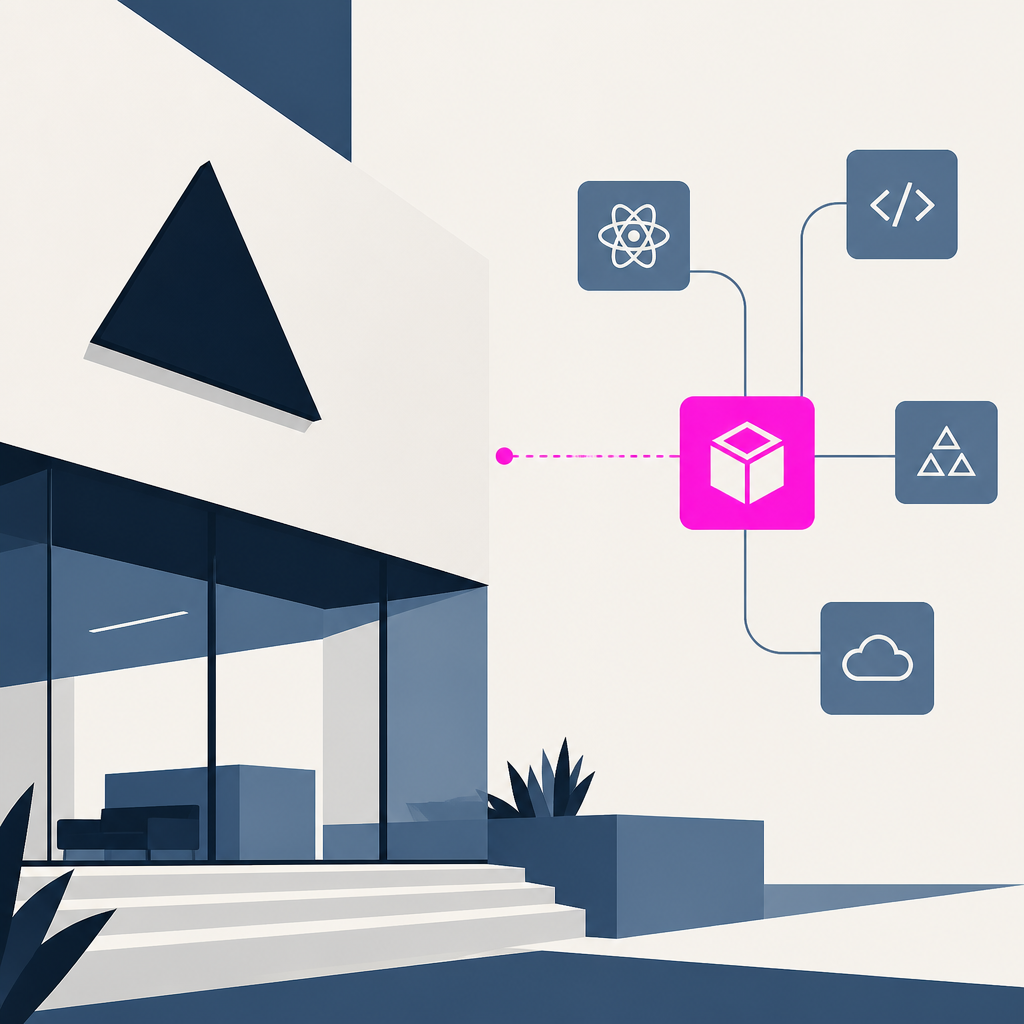
Cursor, now owned by SpaceX, launched Origin, a Git-compatible code repository platform designed for AI agent-generated code, on the same day GitHub experienced an 8-hour global outage. Origin lets developers create and host repositories directly in Cursor while syncing existing GitHub repos, with Cursor's agents able to make code changes and manage pull requests within the same interface. GitHub has struggled with infrastructure scaling as AI agents now generate 17 million pull requests monthly, creating an opening for competing platforms like Origin, Entire, and Zed's Delta to offer alternatives optimized for agent-heavy development.
Wiz Research's Red Agent, an autonomous AI security tool, discovered a critical script injection vulnerability in Snowflake's GitHub Actions workflow that GitHub Copilot had missed when reviewing the code. The vulnerability was live for 5 days (June 18–23, 2026) and allowed unauthenticated users to execute arbitrary commands and exfiltrate Jira credentials. Snowflake patched the vulnerability the same day and confirmed no unauthorized access occurred, highlighting that AI-assisted code review and automated security scanning can both fail to catch critical flaws.
Linear analyzed AI adoption patterns across 127,000 users in their project management platform from January to June 2026, finding that AI-active users more than doubled in every function and coding agent teams tripled their weekly pull requests from 21 to 65. Teams using coding agents drove the 111% increase in overall pull requests since June 2024, though time spent on traditional tasks in Linear remained flat despite the new work layer AI created. The data suggests AI has accelerated output rather than saved time, with product managers and designers increasingly shipping code directly.
Vercel released Agent Skills, a system of modular capabilities that extend AI coding agents with specialized functions for React, Next.js, deployment, and other tasks. Developers can install skills via CLI command (npx skills add) and the system works with 18+ AI agents including Claude Code, GitHub Copilot, and Cursor. The skills framework enables agents to move beyond chat-based interaction to reliably execute production workflows across development stacks.
Cursor released Origin, a Git hosting platform designed specifically for AI coding agents to collaborate and manage code repositories. The service integrates directly with Cursor's IDE and handles the unique workflow patterns that autonomous coding agents require, such as branching, merging, and conflict resolution at agent speed. This moves Cursor beyond being just an IDE vendor into infrastructure for AI-assisted development teams.
Zyntax is a code editor with integrated terminal, Git support, and AI agent discussion capabilities. The tool appears to be in early development with no publicly available pricing or release date disclosed. Developers can use AI agents within the editor to discuss and assist with code, potentially changing how developers interact with coding environments.
Researchers compared DeepSeek V4 Pro 0813 and GPT-5.6 Sol on DeepSWE, a software engineering benchmark with 113 tasks across multiple languages and domains. Pro costs $0.24 per rollout while Sol costs $8.37—a 35x difference—with Sol achieving 72.7% pass@1 versus Pro's 62.8%, but Pro reaching 88.5% pass@4 versus Sol's 85.8%. A cascading approach that runs Pro first and escalates to Sol only on failures solves 83.0% of tasks for $3.35 each, outperforming either model alone and beating a perfect oracle router.
Every AI story that matters,
in your inbox by 8am.
TLDRocket reads all relevant sources, removes duplicate coverage, and summarises the
day in two minutes. Follow companies and topics for alerts, or get the
briefing in Slack. Free, no spam, unsubscribe anytime.
Reading TLDRocket needs no cookies, and the readership counts we rely on come from
our own cookieless analytics. Google Analytics is the exception: it sets cookies and
reports to Google, so it stays switched off until you allow it. You can change your
mind any time from “Cookie settings” in the footer.
Strictly necessary
Session security and form protection (tldrocket-session,
XSRF-TOKEN, 2 hours). The site cannot work without them,
so they need no consent.
Always on
Google Analytics 4 (_ga,
_ga_<id>, up to 2 years). Measures which
stories and sections readers use. Google acts as a third-party processor and may
store the data outside the EU. No advertising, no profiling, no data sold.