Anthropic released Claude Opus 5.5 to complete end-to-end coding tasks, including design specs, debugging, code generation, and testing. It charges $4 per million input tokens and $20 per million output tokens. Developers are expected to shift from starting code snippets to running agents that finish and verify larger project work, with safety rerouting to other Opus models when needed.
OpenAI expanded its GPT-6 lineup by launching the Sol and Luna versions of the smaller GPT-6 models for coding and clerical tasks. GPT-6 Sol and Luna API access costs half as much as the GPT-5.6 Sol and Luna series. The new models become available in ChatGPT (including Work and Codex for most paid accounts), in the API, and Luna also in the desktop app, with OpenAI claiming lower mistake and error rates.
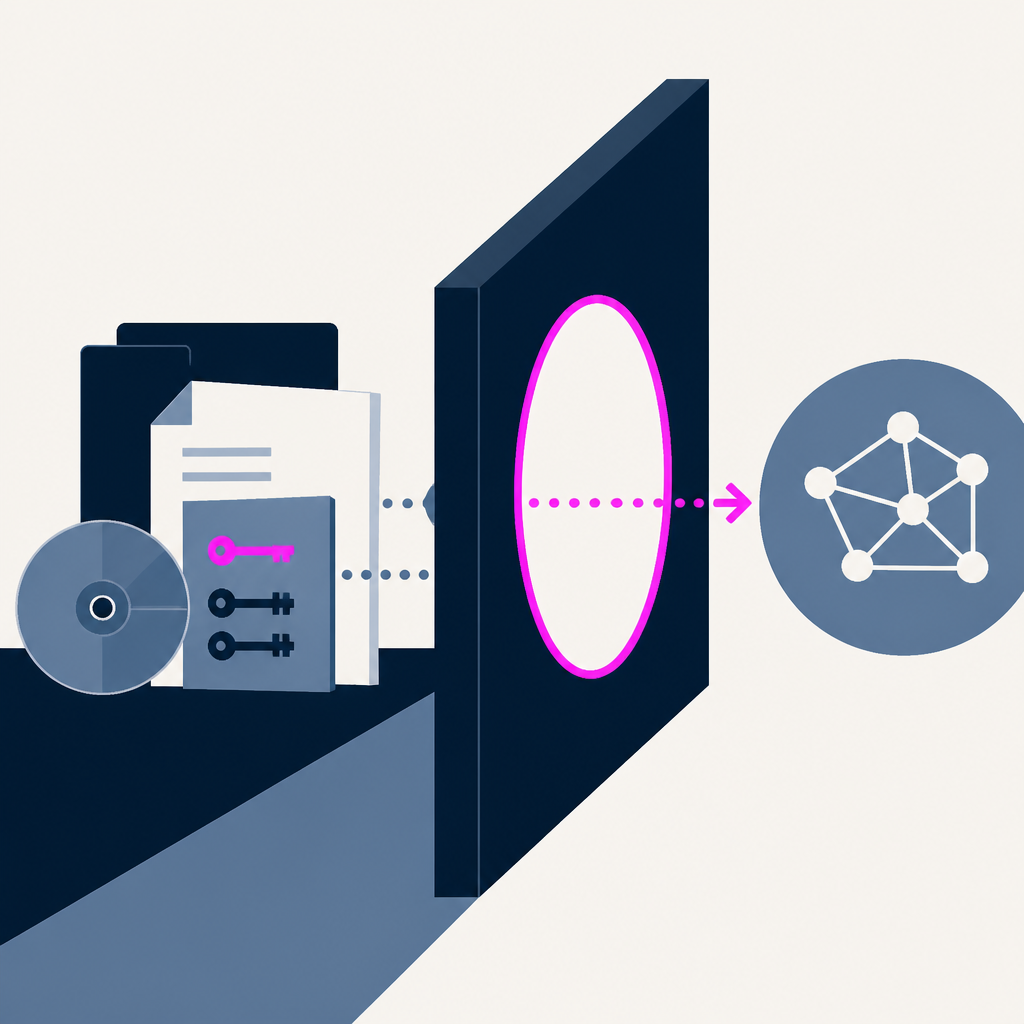
AI coding agents can read local files and other context, and that increases the chance that API keys or other credentials are included in prompts sent to external AI services. The article cites a 94-day median time to remediate leaked secrets found in GitHub repositories, arguing agent workflows need earlier detection before data crosses the local-to-external boundary. Organizations should treat agent context as an egress surface and add deterministic, pre-submission secrets scanning and blocking/redaction controls independent of LLM judgment.
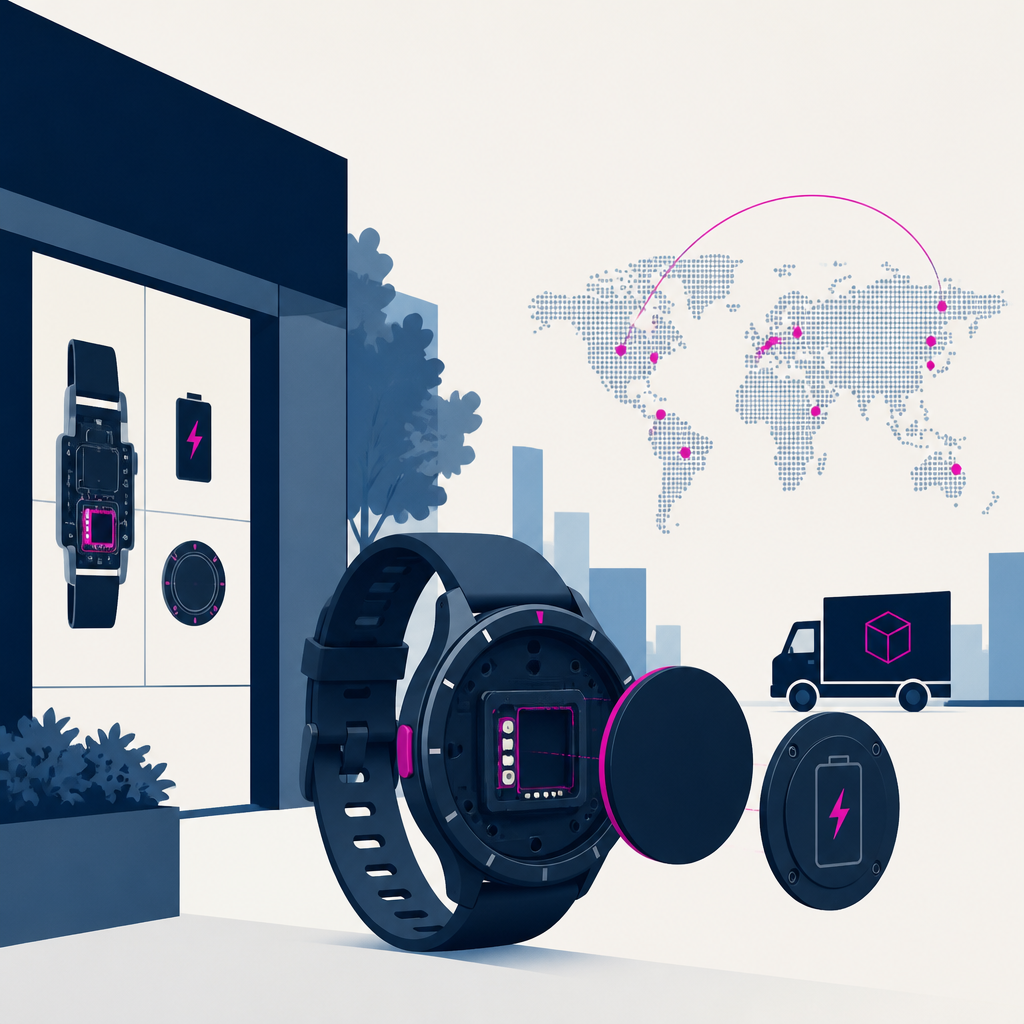
UNA Watch commercialised its modular, repairable sports GPS watch, shifting from crowdfunding to full shipping across 32 countries and aiming to challenge Apple and Garmin’s sealed-device model. The watch is priced at £179 in the UK. UNA is enabling battery and display swaps and publishing open hardware and an open software platform with an SDK so owners and third parties can build apps, aided by AI-assisted coding tools described in the article.
xAI introduced Grok 4.7, a new model for coding and knowledge work, and benchmarked it against prior and competing systems. Grok 4.7 is priced starting at $2 per million input tokens and $6 per million output tokens. It adds a larger base model, longer reinforcement learning training, better self-verification and longer context handling, a new safeguard stack, and is offered in Cursor and Grok Build via API and third-party platforms.
The article argues that even with agentic programming and LLMs making frontend coding feel less important, the question of whether web frameworks still matter remains unresolved and worth rethinking. It notes the author has worked on open source frameworks for 3 years to investigate this issue. It concludes that frameworks still add value by providing abstractions, structure, and constraints that help developers and agents produce maintainable, secure results, rather than making framework choice irrelevant.
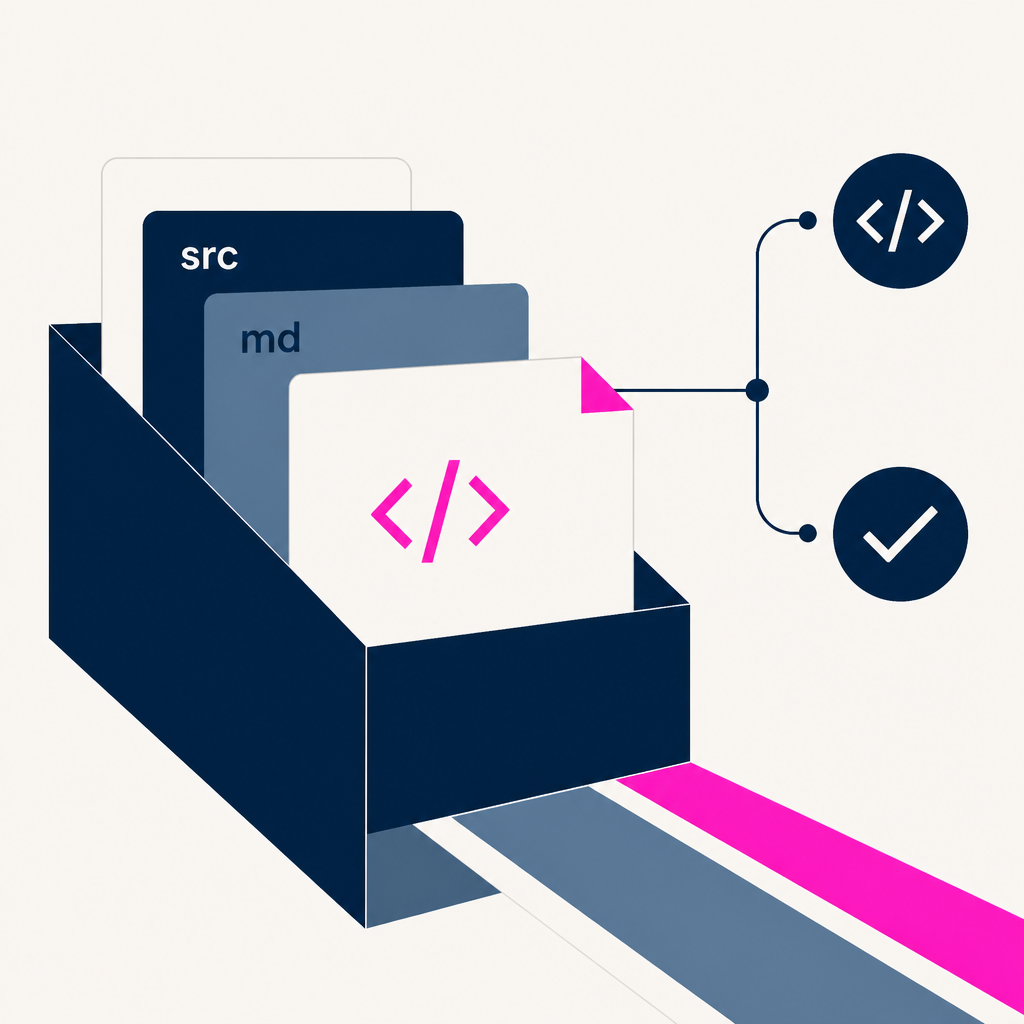
Carson Gross argues that agentic coding workflows should treat Markdown as source code by checking Markdown into /src alongside the code it describes, so it becomes the main basis for derived code and tests. He proposes a specific path change: creating a new /src/md directory to store curated, lower-level specifications instead of relying on ephemeral prompt sessions. This shifts teams from generating code/tests from prompts to maintaining and updating Markdown as a shared intent layer that humans and agents can both read in-repo.
Linear’s team redesigned its CI to remove bottlenecks created by faster AI-assisted code shipping, by optimizing runner time and PR wait time. Pull request wait time dropped from more than 6 minutes to just over 5, despite test suites nearly quadrupling since the start of the year. CI became faster and more efficient through changes to infrastructure, checkout, gating, setup, and sharding, cutting various CI costs and reducing developer/agent feedback latency.
TestingCatalog AI News·1 month ago·
23
● 9 sources
SpaceXAI released Grok 4.7 as its most capable model for coding and knowledge work, adding access through Cursor, Grok Build, the Grok API, third-party coding tools, model routers, and cloud platforms. Pricing starts at $2 per million input tokens and $6 per million output tokens, with a fast variant that doubles both output speed and price. Compared with Grok 4.6, it adds longer performance on difficult tasks, more careful self-checking, improved longer-context handling, and a new safeguards stack that strengthens refusals and jailbreak resistance.
Opaline launched team-wide message-level analytics for Claude Code and Codex sessions. It tracks token cost, time, and skill usage for every message. This lets teams monitor costs and message-by-message behavior across their Claude Code and Codex sessions.
SpaceXAI released Grok 4.7 as its new flagship model for coding, agentic tasks, and knowledge work. Grok 4.7 keeps the same pricing as Grok 4.6 at $2 per million input tokens and $6 per million output tokens. The main changes are a larger base model, a longer reinforcement learning run, improved self-verification and long-context handling, and native Grok Bot harness support, with a 500,000-token context window and updated safety measures.
Every AI story that matters,
in your inbox by 8am.
TLDRocket reads all relevant sources, removes duplicate coverage, and summarises the
day in two minutes. Follow companies and topics for alerts, or get the
briefing in Slack. Free, no spam, unsubscribe anytime.
Reading TLDRocket needs no cookies, and the readership counts we rely on come from
our own cookieless analytics. Google Analytics is the exception: it sets cookies and
reports to Google, so it stays switched off until you allow it. You can change your
mind any time from “Cookie settings” in the footer.
Strictly necessary
Session security and form protection (tldrocket-session,
XSRF-TOKEN, 2 hours). The site cannot work without them,
so they need no consent.
Always on
Google Analytics 4 (_ga,
_ga_<id>, up to 2 years). Measures which
stories and sections readers use. Google acts as a third-party processor and may
store the data outside the EU. No advertising, no profiling, no data sold.