Google is testing an updated CC AI agent that coordinates family household work using email, calendar, chats, and tasks. The new CC supports up to 6 family members sharing information with it. It now shifts from generic productivity to family-specific organizing and planning, including shared calendars, task lists, and permission-slip or meal-plan help, with a U.S.-only and 18+ Gmail-account requirement.
Manus is seeking to raise $500 million at a $4 billion valuation after resuming operations as an independent company following the collapse of its Meta merger. The reported fundraising target is $500 million. The change is that Manus is restarting independent governance, considering restructuring for a Hong Kong IPO, and continuing to operate its AI agents and product tools outside Meta.
minimi launched minimi 2.0, described as an AI “personal intelligence” experience you can adopt via AI cats. The launch is happening today, as stated in the article. Users are encouraged to start by adopting the new AI cats Cotton and Melody, with more cats planned soon.
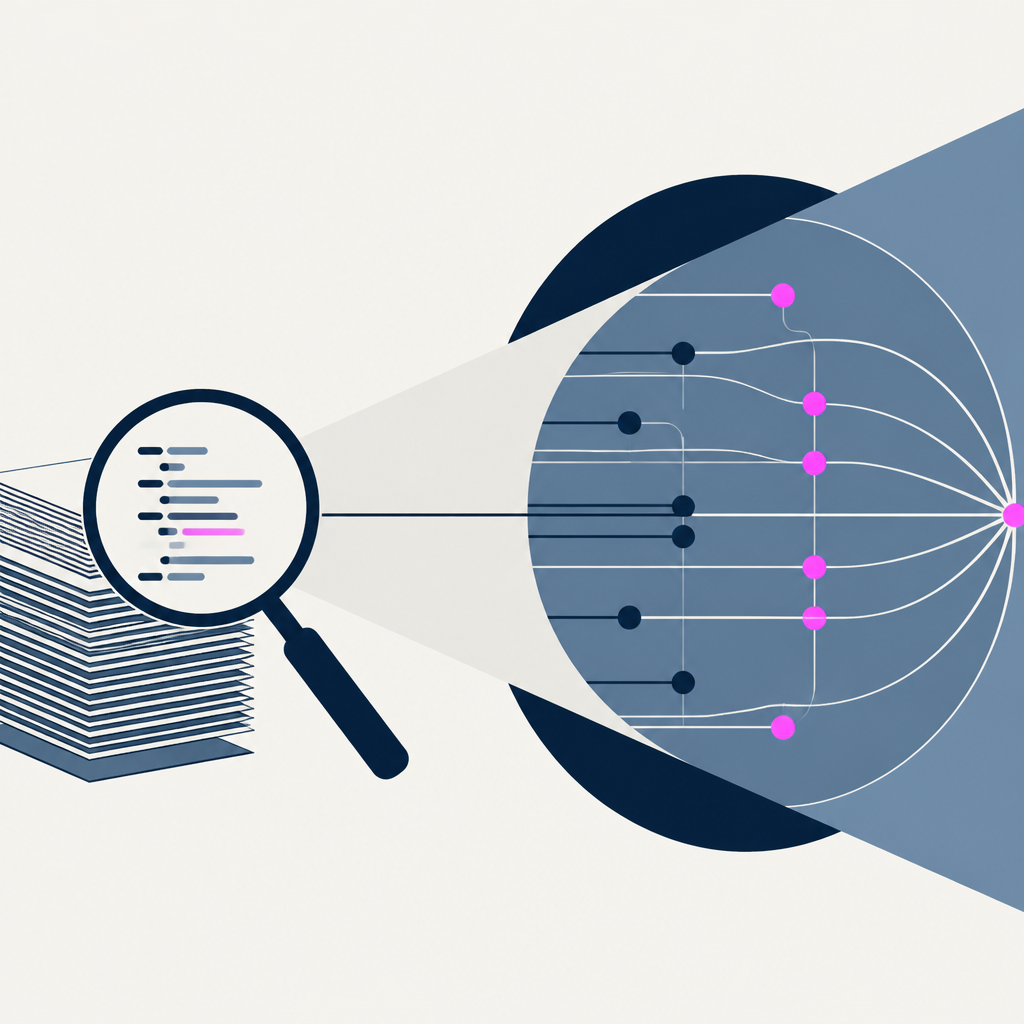
The author argues that traditional human code review is an imperfect historical workaround and that AI agents are now able to run deeper, more systematic checks than humans typically can. A typical pull request is described as about 2,500 lines reviewed for only 20–30 minutes, which the author says cannot provide exhaustive verification. As a result, the author expects teams to shift from relying on manual sampling and identity-based process to converting more judgment into repeatable automated search and verification.
Gradio launched “Gradio Workflow” to let users connect nodes to build AI pipelines using Hugging Face components and Python functions. The launch is the 7th from Gradio. It adds a visual canvas with intermediate input/output inspection plus the ability to swap models and share workflows via a URL or REST API without downloads.
The article argues that AI-driven automation is likely to displace workers and widen inequality unless governments use structural policies beyond retraining. It cites South Korea’s 2017 rollback of automation-related tax credits that cut large-firm deductions from 3% to 1%, mid-sized deductions from 5% to 3%, and left small businesses at 7%. It proposes shifting to funding mechanisms such as an automation impact levy (robot tax), alongside safety nets like universal basic income or a 4-day workweek, but warns that defining taxable units and measuring displacement are major obstacles.
Howseen AI launched a tool that tracks whether AI systems recommend specific brands across ChatGPT, Gemini, Perplexity, and Google AI Overviews and identifies questions where a brand is not cited.
Velozity launched a multiplayer platform that combines team chat, calls, tasks, calendar, files, and built-in AI agents in one place. It starts free to start. Work can move between people and AI agents using shared context, reducing the need to re-explain tasks to each agent.
Iris launched today, offering AI agents that plug into a company’s existing workflows and tools. It coordinates work across teams and can follow up in Slack and iMessage. Teams can move recurring processes forward by building agents for functions like operations, sales, customer success, and recruiting with shared company context and approval controls.
Every AI story that matters,
in your inbox by 8am.
TLDRocket reads all relevant sources, removes duplicate coverage, and summarises the
day in two minutes. Follow companies and topics for alerts, or get the
briefing in Slack. Free, no spam, unsubscribe anytime.
Reading TLDRocket needs no cookies, and the readership counts we rely on come from
our own cookieless analytics. Google Analytics is the exception: it sets cookies and
reports to Google, so it stays switched off until you allow it. You can change your
mind any time from “Cookie settings” in the footer.
Strictly necessary
Session security and form protection (tldrocket-session,
XSRF-TOKEN, 2 hours). The site cannot work without them,
so they need no consent.
Always on
Google Analytics 4 (_ga,
_ga_<id>, up to 2 years). Measures which
stories and sections readers use. Google acts as a third-party processor and may
store the data outside the EU. No advertising, no profiling, no data sold.