Researchers at the University of Bristol, backed by Canonical, are testing AI-generated Rust that compiles cleanly against equivalent C behavior by sandboxing and then verifying output for security-critical Linux components. The project will scale to repositories of hundreds of thousands of lines of C. The focus shifts from generating Rust to proving behavioral equivalence while limiting Rust unsafe usage so maintainers can trust automated translations.
Plow Latch is presented as a local AI desktop manager for Macs. No specific dates, prices, or benchmarks are provided in the article text. As a result, the post mainly points readers to a demo and discussion rather than detailing measurable capabilities or changes to current workflows.
Google rolled out a dedicated student hub in Gemini with tools for study notebooks, flashcards, and practice quizzes. It adds Deep Research to Gemini Live. As a result, students can generate research reports and schedule deadlines automatically in Google Calendar, while study notebooks gain support for graphs, images, and study items.
Calendly is launching a meeting note-taker that records meetings, transcribes audio/video, and then generates summaries, action items, and draft follow-up emails. The note-taker is testing a Granola-like feature that uses system audio to transcribe meetings. Calendly is also planning to release an AI assistant named Callie to schedule meetings, check availability, and pull context from past meetings, competing with other note-taking apps and productivity suites.
Meta launched a new Mac app for its AI chatbot called Meta AI that can use what you show on your screen to make suggestions, answer questions, and create content. The app adds dictation support across all apps. This shifts Meta AI toward a productivity-style desktop assistant that can compete with rivals’ desktop offerings.
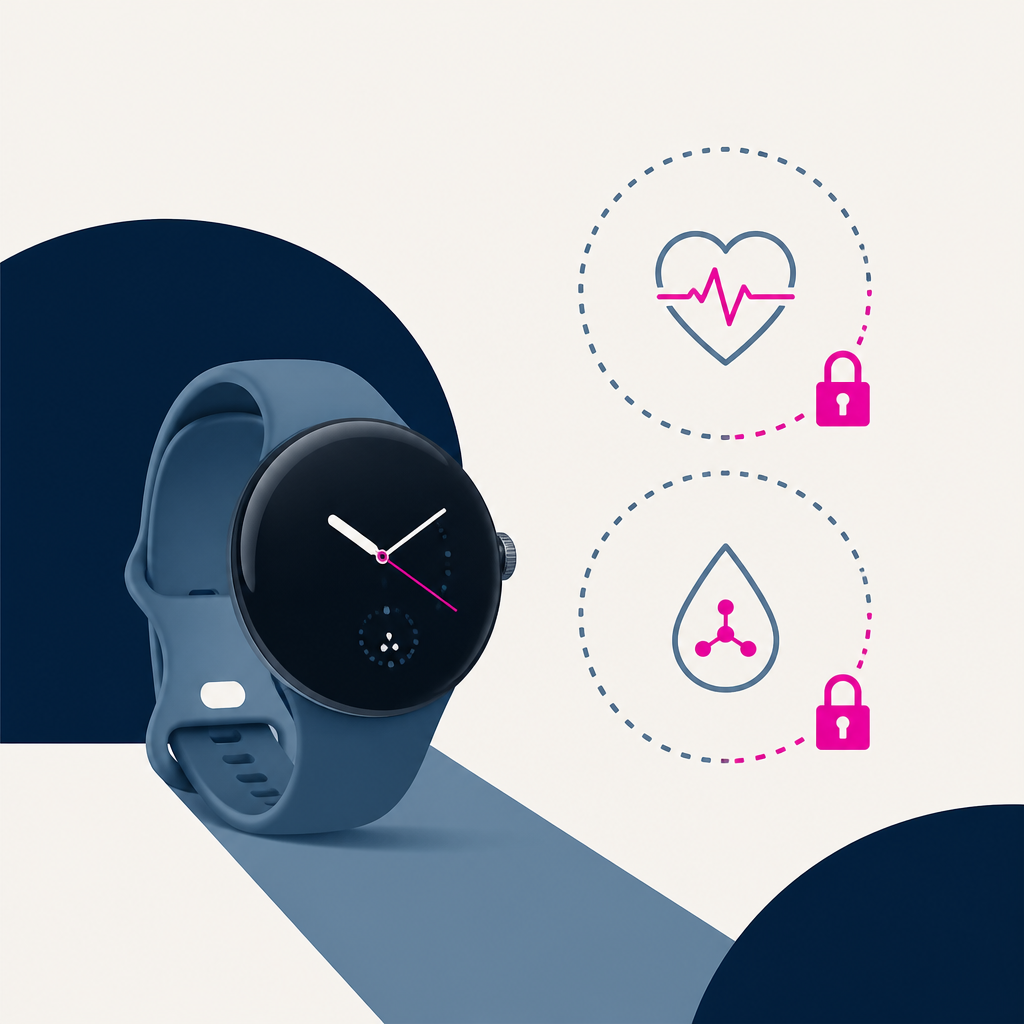
Google’s Pixel Watch 5 adds mostly software updates, but its key health features are not available yet. The story says the most interesting new features—blood pressure and insulin resistance trends—are missing. As a result, reviewers can’t test the main additions tied to the overhauled Google Health app and its AI coach until they ship.
Amazon is rolling out Alexa Plus to US owners of Fire TV devices for free. The rollout starts today for Fire TV Stick, Fire TV Cube, and Amazon Ember smart TV. That replaces the prior requirement for a Prime or Alexa Plus subscription and expands access to features like mood-based movie recommendations and on-screen question answering.
Sayscroll launched an AI teleprompter that scrolls text based on your voice so you can speak without manually adjusting scroll speed. It supports 60+ languages and launches today. It adds browser-based setup and studio controls plus a built-in recorder and “improvise” mode that pauses when you go off script.
Apple is developing camera-equipped AirPods with a feature called Visual Intelligence that lets Siri answer questions about the wearer's surroundings and save information. A demo video found in macOS Tahoe 26.7 shows the product, codenamed B790, with a camera that reads text from objects like book covers. Apple could announce the device as soon as September alongside the iPhone 18 Pro and foldable iPhone.
Medly AI, a London-based edtech startup, raised $8M in a seed round led by Felix Capital, bringing total funding to approximately $12M. The company grew its user base from 100,000 to over 400,000 users since early 2025, primarily through word-of-mouth adoption. The funding will support development of its AI tutor platform for exam preparation.
Replit introduced Free Mode to let people create working software using GPT-5.6 Luna without token cost concerns.
The update is powered by GPT-5.6 Luna.
Token costs are no longer a limitation for this mode, expanding access to Replit’s software creation tools.
Every AI story that matters,
in your inbox by 8am.
TLDRocket reads all relevant sources, removes duplicate coverage, and summarises the
day in two minutes. Follow companies and topics for alerts, or get the
briefing in Slack. Free, no spam, unsubscribe anytime.
Reading TLDRocket needs no cookies, and the readership counts we rely on come from
our own cookieless analytics. Google Analytics is the exception: it sets cookies and
reports to Google, so it stays switched off until you allow it. You can change your
mind any time from “Cookie settings” in the footer.
Strictly necessary
Session security and form protection (tldrocket-session,
XSRF-TOKEN, 2 hours). The site cannot work without them,
so they need no consent.
Always on
Google Analytics 4 (_ga,
_ga_<id>, up to 2 years). Measures which
stories and sections readers use. Google acts as a third-party processor and may
store the data outside the EU. No advertising, no profiling, no data sold.