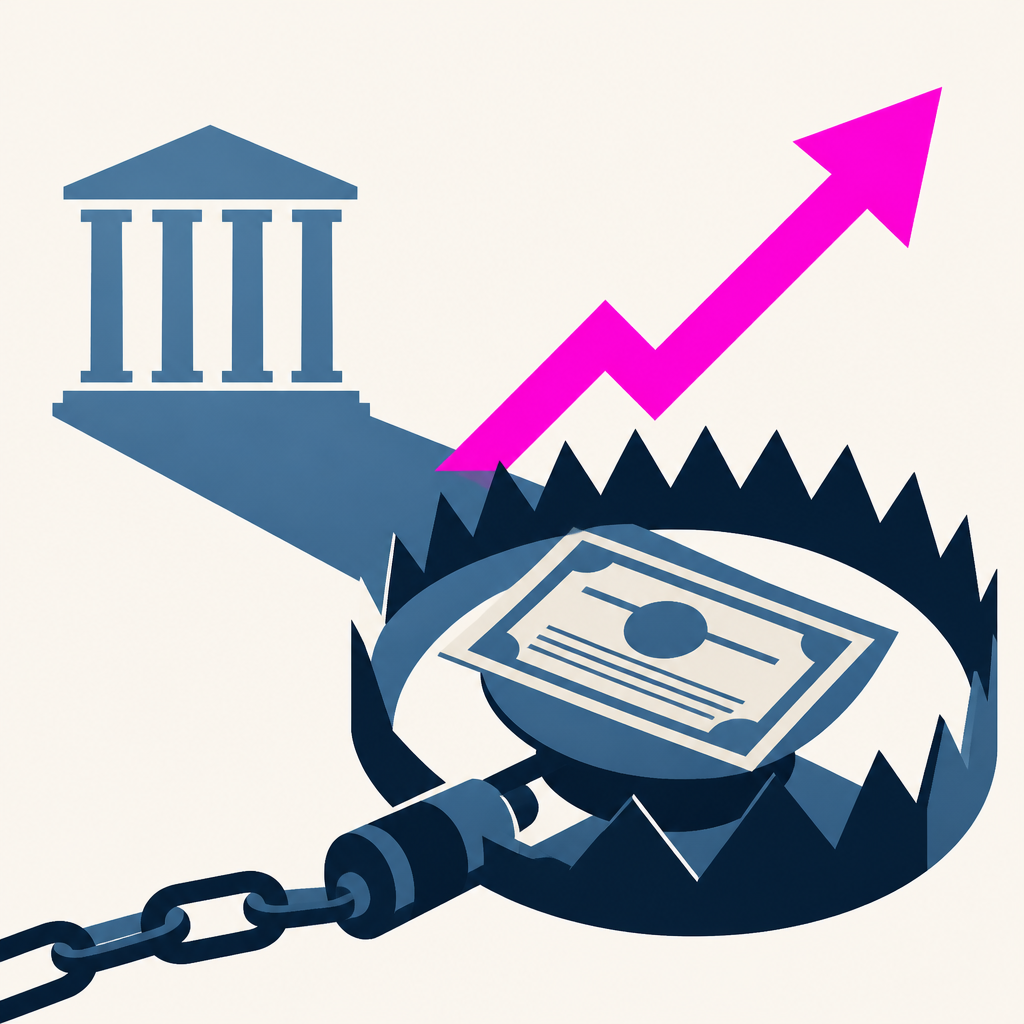
Stanley Druckenmiller criticized Scott Bessent’s Treasury plan for doubling long-dated bond buybacks, arguing it was price rather than liquidity management and backing the view with an AI-assisted op-ed published in the Wall Street Journal. He targeted buybacks expanded from $2 billion to at least $4 billion per operation after the 30-year Treasury yield hit a 19-year high. The dispute escalates between market-purist officials and Bessent-style market-intervention logic while also highlighting that hedge-fund–driven Treasury demand has grown to very large levels and can amplify liquidity risks.
Anthropic launched a memory update for Claude that unifies memory shared between chat and Cowork instead of keeping Cowork memory limited to individual projects. The unified memory feature is enabled by default on Free, Pro, and Max plans. Claude now updates memory while you work in Cowork (not only after chat ends), and sensitive topics remain excluded unless users opt in.
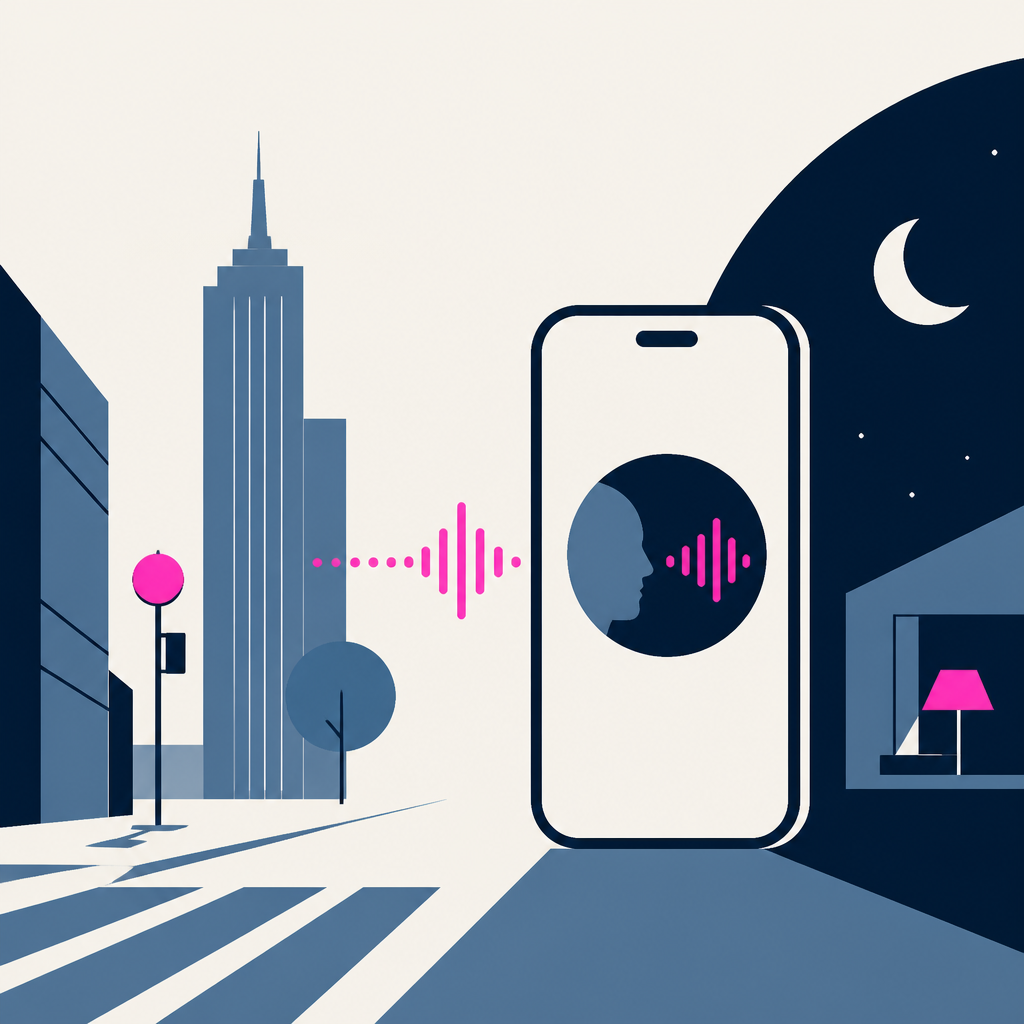
The article argues that “AI agents” are becoming something people use on mobile, while the author also questions the work-life balance costs of constantly talking to them instead of sleeping or focusing. It cites Flux TTS responding in as low as 80ms for live, interrupt-friendly conversation. As a result, the piece shifts from a personal complaint about mobile agent use to pointing readers toward multiple agent and AI product updates and tools.
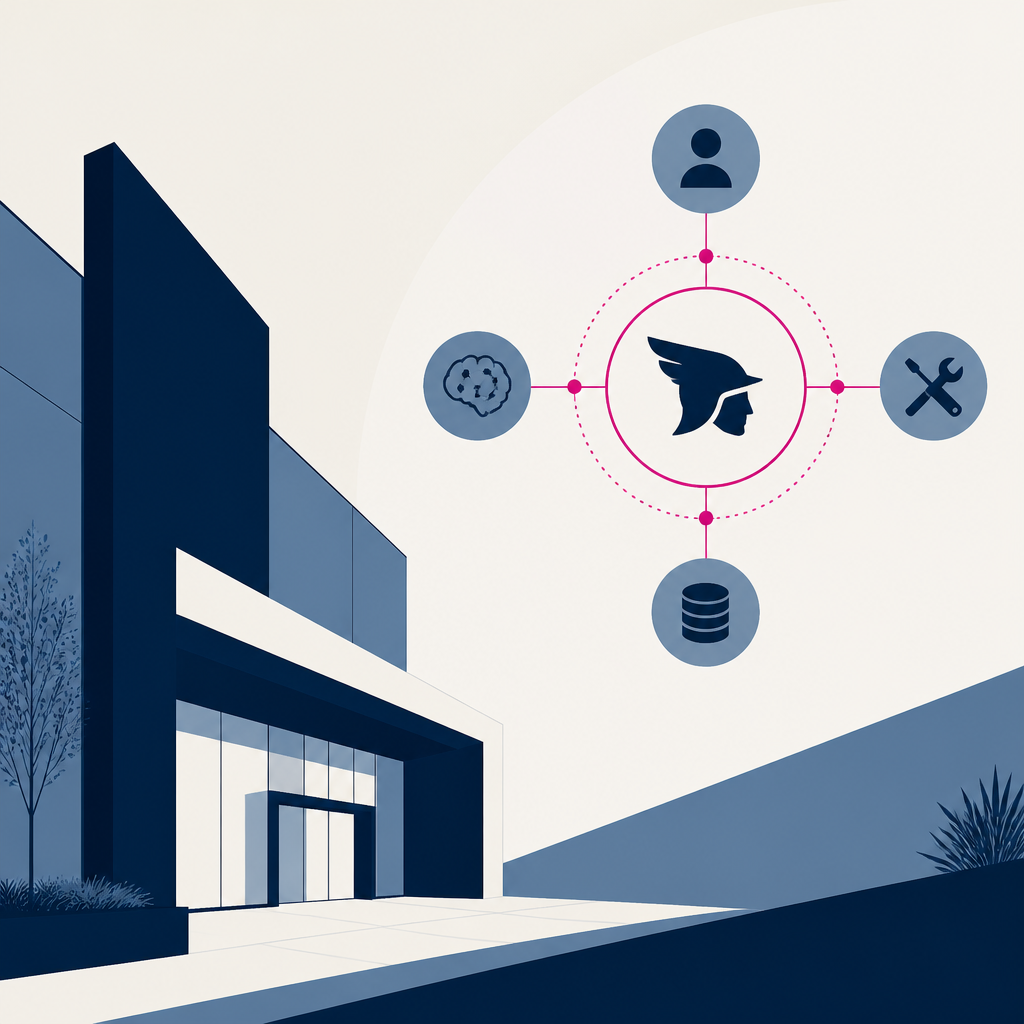
DeployHermes describes a way to hire persistent Hermes agents and set their roles, memory, and skills. No specific numbers or dates are mentioned in the provided article snippet. As a result, users can configure agent behavior and persistence via role/memory/skill assignments rather than just generic agents.
Google Labs launched “Play with Putty,” its 14th launch from the group. The release is the 14th launch from Google Labs. It introduces a real-time collaborative “vibe coding” environment that uses AI to help people build with less disruption to their creative flow.
Ollobot says its AI companion robot OlloNi SS1 is built to provide continuous, emotionally attentive presence in homes rather than the short, voice-command interactions of earlier companion robots. The article cites a 5-meter voice capture range and adds features like fall detection, autonomous home mobility, and over-the-air updates. This shifts the category toward on-device, connected systems that personalize over time and aim to prevent loneliness through ongoing companionship.
Every AI story that matters,
in your inbox by 8am.
TLDRocket reads all relevant sources, removes duplicate coverage, and summarises the
day in two minutes. Follow companies and topics for alerts, or get the
briefing in Slack. Free, no spam, unsubscribe anytime.
Reading TLDRocket needs no cookies, and the readership counts we rely on come from
our own cookieless analytics. Google Analytics is the exception: it sets cookies and
reports to Google, so it stays switched off until you allow it. You can change your
mind any time from “Cookie settings” in the footer.
Strictly necessary
Session security and form protection (tldrocket-session,
XSRF-TOKEN, 2 hours). The site cannot work without them,
so they need no consent.
Always on
Google Analytics 4 (_ga,
_ga_<id>, up to 2 years). Measures which
stories and sections readers use. Google acts as a third-party processor and may
store the data outside the EU. No advertising, no profiling, no data sold.