
Scott Bessent, Stanley Druckenmiller and a hedge-fund legend hoist on his own petard
Fortune Nick Lichtenberg
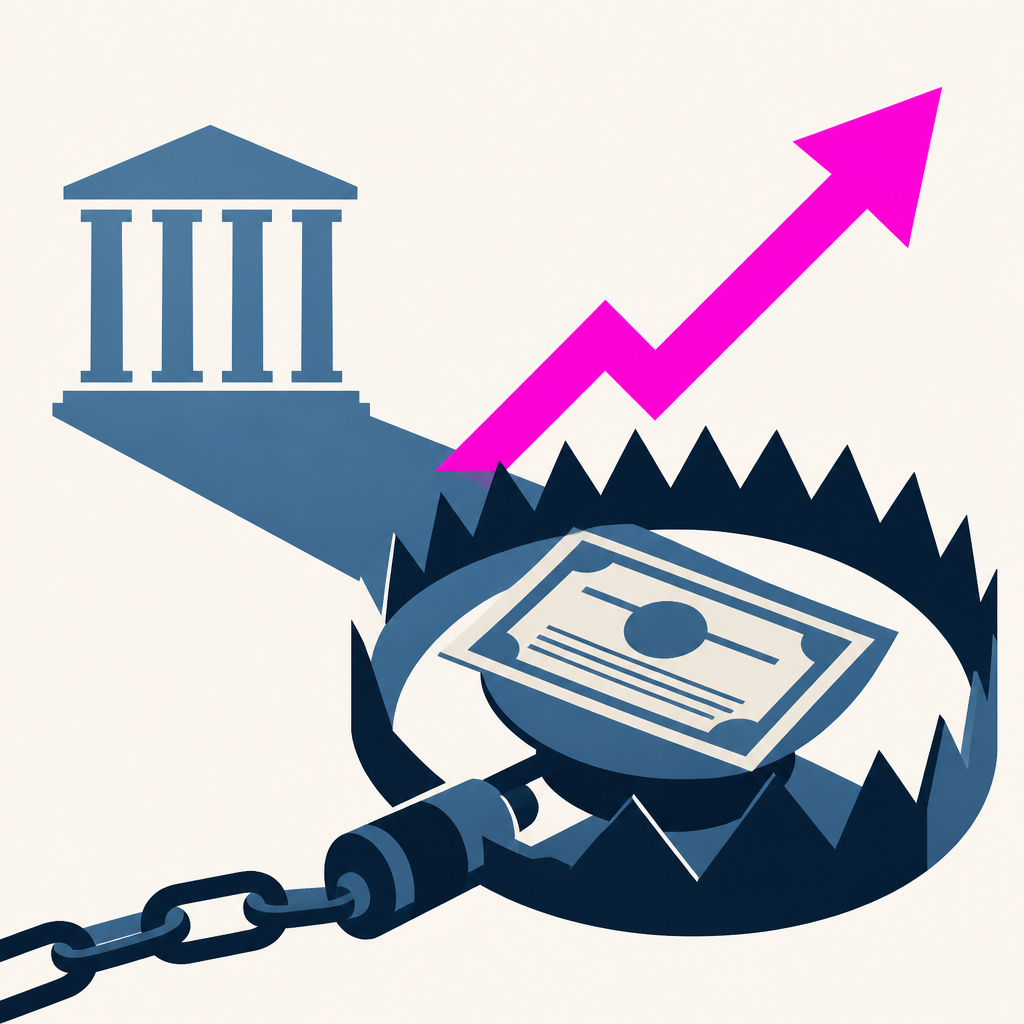
Druckenmiller just took a public shot at his old protege Scott Bessent over Treasury bond buybacks. It’s the same playbook they used on Britain’s pound, only now the fight is inside U.S. policy.
Based on reporting by Fortune, Nick Lichtenberg — read the original for the full story.
Summary, retelling and take written by AI under human oversight; images are AI-generated illustrations. How we work · Report an error
A very old Wall Street story is back in Washington, and this time Scott Bessent is the one getting boxed in by it. Stanley Druckenmiller, who once helped run the famous 1992 sterling trade with George Soros and Bessent on the team, has now used the Wall Street Journal to argue that Treasury is not managing debt so much as trying to steer prices.
His target was Treasury’s decision to double long-dated bond buybacks from $2 billion to at least $4 billion per operation, after the 30-year Treasury yield hit a 19-year high. Druckenmiller called that move “price management,” not liquidity management. He even had the essay written with AI, which he confirmed on X when Jeff Stein asked about it. Bessent’s department did not respond to Fortune.
The specific disagreement matters because buybacks are supposed to be narrow and technical. Treasury introduced the modern version in 2024 to improve liquidity and manage cash, often by buying less-traded off-the-run bonds. Druckenmiller says this round looked different: it came after a sharp move in yields, outside the usual quarterly-refunding rhythm, and there was no obvious market seizure to justify emergency action. No failed auctions. No March 2020-style panic. No 2022 gilt crisis.
That puts Bessent in a bad spot. Jon Hilsenrath, who covered the Fed and Treasury for the Journal for years, said Druckenmiller’s decision to go public suggested his message wasn’t getting through. He also pointed out the awkward geometry here: Druckenmiller’s two best-known students are now shaping policy, one at Treasury and one at the Fed, under a president with a different economic worldview. Kevin Warsh, the Fed side of that split, has argued for letting yields speak. Bessent has leaned the other way, saying Treasury has information about market functioning and should use it.
And the market itself is not the same one Druckenmiller and Soros learned to trade against. Adam Tooze has argued that foreign official buyers have faded as a force in Treasury demand, while hedge funds and other private investors have become central, especially through Cayman-based vehicles and leveraged basis trades. A New York Fed estimate cited in the piece put hedge-fund long Treasury exposure at $2.4 trillion as of September 2025, with the 50 biggest funds accounting for about 90% of it. That makes today’s long-bond signal a messier thing than a clean referendum on fiscal credibility. It can be that, and a warning about market plumbing, and a reminder that the people now pressing on long-term yields are often the same species of investor Bessent used to be.
Druckenmiller’s real point is brutal in its simplicity: if the 30-year has to trade at 5.5% to clear, that is not a crisis. It is an invoice. Treasury can call buybacks routine all it wants, but once the market starts reading them as panic, the line between liquidity help and official hand-holding gets awfully thin.
My take — AI-written commentary, not fact-checked reporting
This is what happens when ex-hedge-fund heroes discover the government bond market is not a chessboard. They spend years praising price signals, then panic when the signal points at them. The embarrassing part is not the AI essay; it’s that the whole industry still pretends leverage magically turns into wisdom at the Treasury window.
Read more about this at: Fortune
Related stories
 Wall Street used to worry that too much U.S. debt would crowd out the private sector. But AI hyperscalers are 'reverse crowding' the Treasury
Fortune ·
30
Wall Street used to worry that too much U.S. debt would crowd out the private sector. But AI hyperscalers are 'reverse crowding' the Treasury
Fortune ·
30
 Goldman's top strategist just added hard numbers to his earnings-bubble warning
Fortune ·
23
Goldman's top strategist just added hard numbers to his earnings-bubble warning
Fortune ·
23
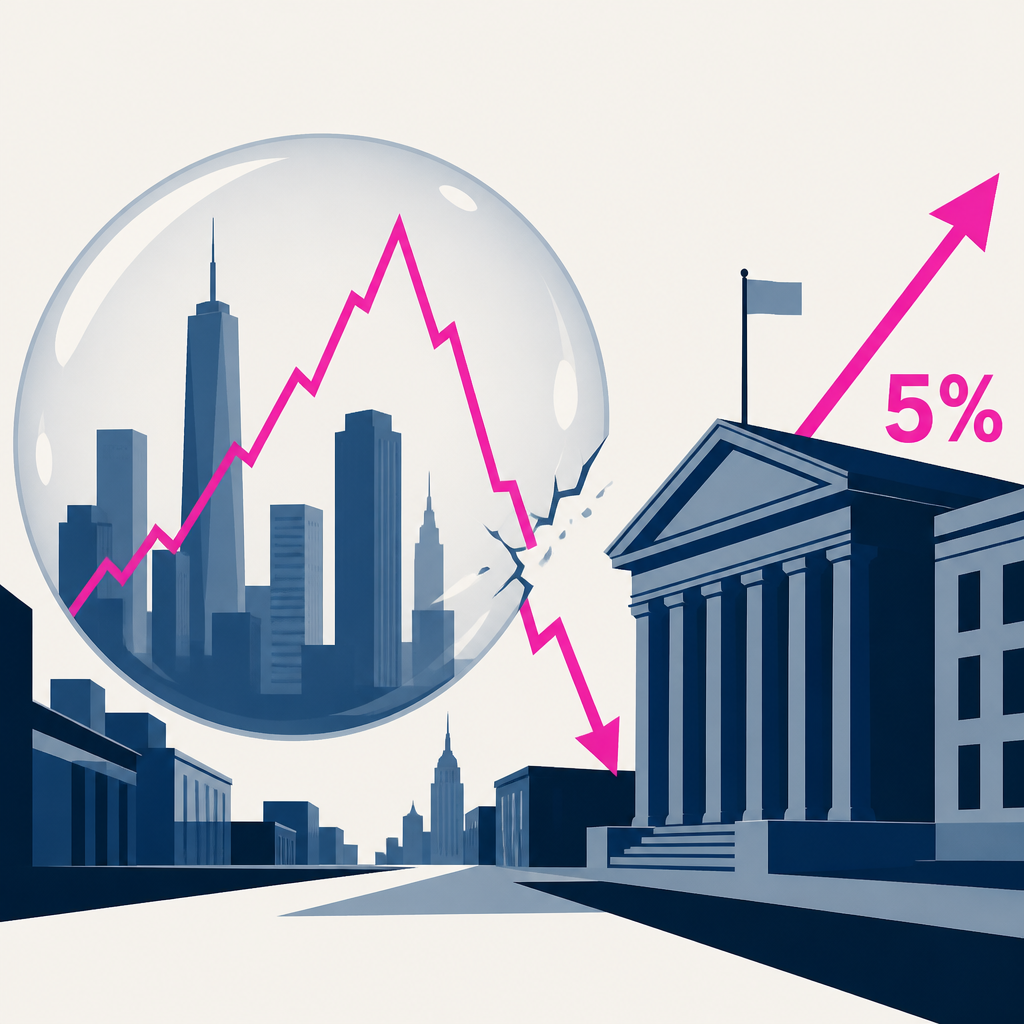 Stocks are in a late-stage bubble and poised to crash 21% next year, while Treasury yields above 5% will signal a new era of tight money, analysts say
Fortune ·
43
Stocks are in a late-stage bubble and poised to crash 21% next year, while Treasury yields above 5% will signal a new era of tight money, analysts say
Fortune ·
43