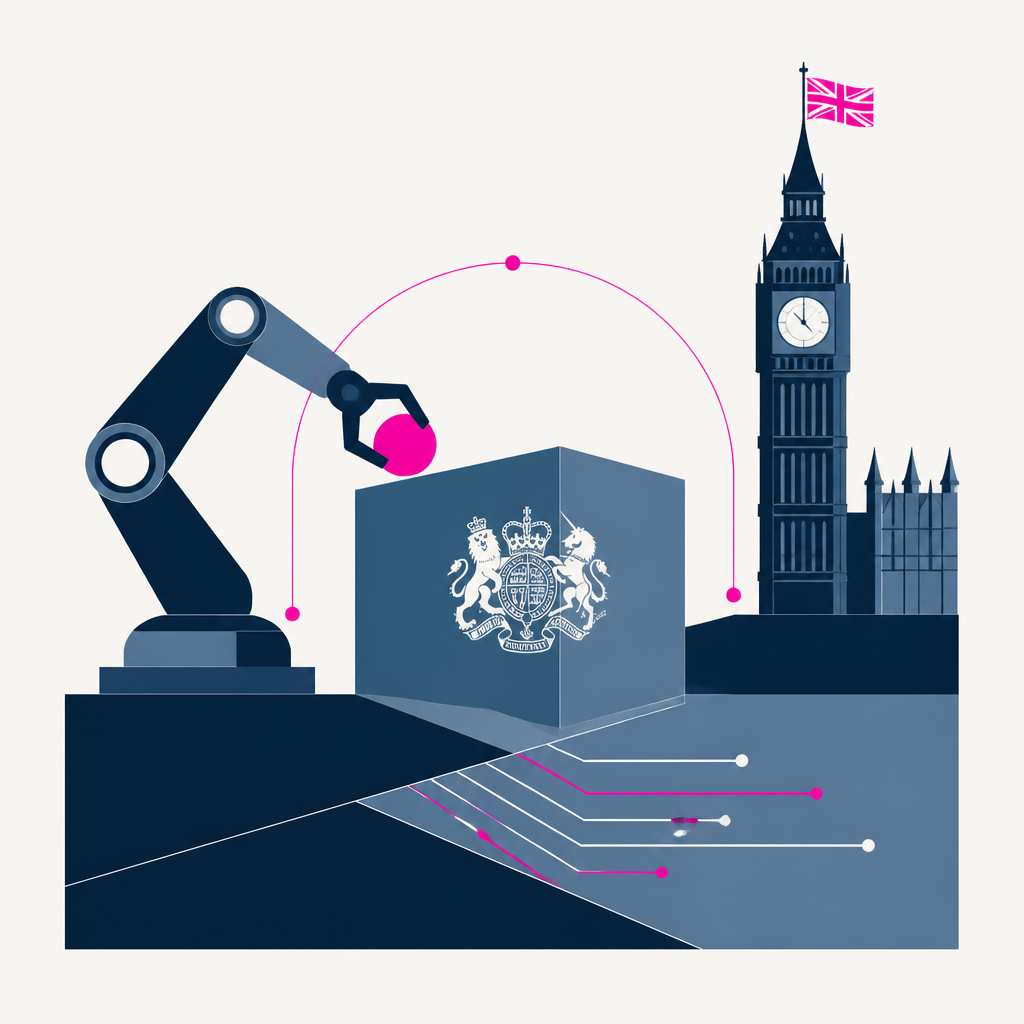
The UK government established a Prime Minister's AI Taskforce chaired by Lord Vallance to coordinate AI strategy across government, with new AI minister Kanishka Narayan attending cabinet meetings. The taskforce will be based in the Office for the Prime Minister and the Cabinet and will absorb the existing AI Security Institute. The restructuring positions AI at the center of UK government policy to drive public service transformation and economic growth.
Organizations using AI to generate code rapidly are hitting a new bottleneck: test data access delays are slowing deployment, with 99% of enterprises waiting over a business day and 42% waiting weeks or months. A Perforce Delphix report found 98% of enterprises still rely on manual steps in test data provisioning, creating a velocity mismatch where AI-generated code sits unvalidated. Companies that automate end-to-end test data delivery with built-in governance and self-service access will outpace competitors by validating code as fast as it's generated.
The Pragmatic Engineer·2 months ago·
55
● 2 sources
AI code generation tools like Claude and GPT-4.5 have dramatically increased the volume of code submissions, moving the software development bottleneck from coding to code review, prompting an explosion of AI-assisted code review tools since February. Companies are adopting dedicated tools like CodeRabbit and Greptile, while larger firms such as Uber, Cloudflare, and HubSpot build proprietary solutions with smart assignment and risk profiling features. The shift risks engineer burnout as reviewers struggle with volume, leading some to approve changes without meaningful scrutiny, while proposed alternatives like enhanced testing and verification remain experimental.
The Wall Street Journal·2 months ago·
27
● 11 sources
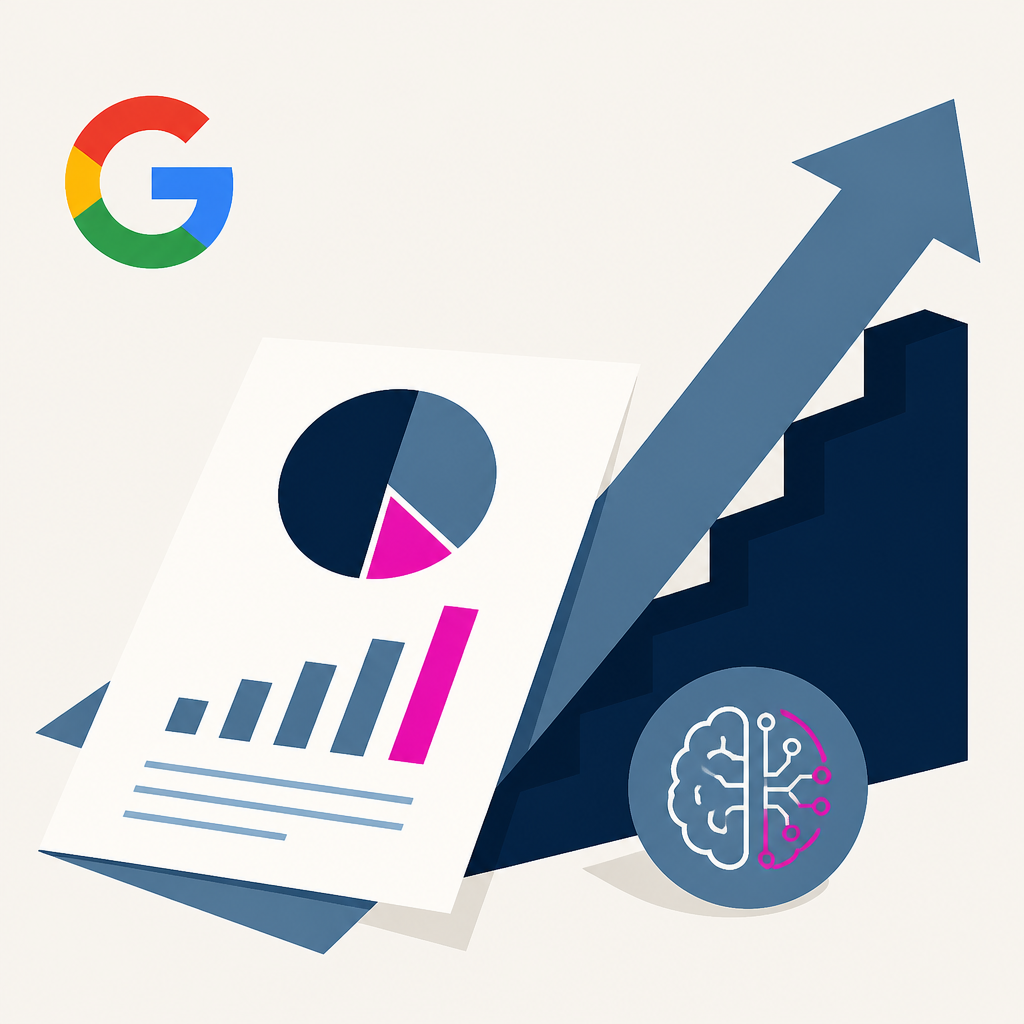
Google released a study concluding that AI tools are increasing demand for skilled workers rather than replacing them. The research examined how AI adoption affects labor markets and workforce composition across sectors. The findings suggest businesses are expanding high-skill roles while automating routine tasks, reshaping rather than shrinking employment opportunities.
Google published a study analyzing 15 million interactions with its Gemini AI products, finding that workers use AI tools for only about a fifth of their tasks and rarely to fully automate work. The data covered over 150 countries and 800 occupations, with fewer than 10% of workplace interactions resulting in complete task automation. The findings suggest AI functions primarily as an assistant for ideation, research, and drafting rather than as a replacement for human workers, complicating industry automation narratives.
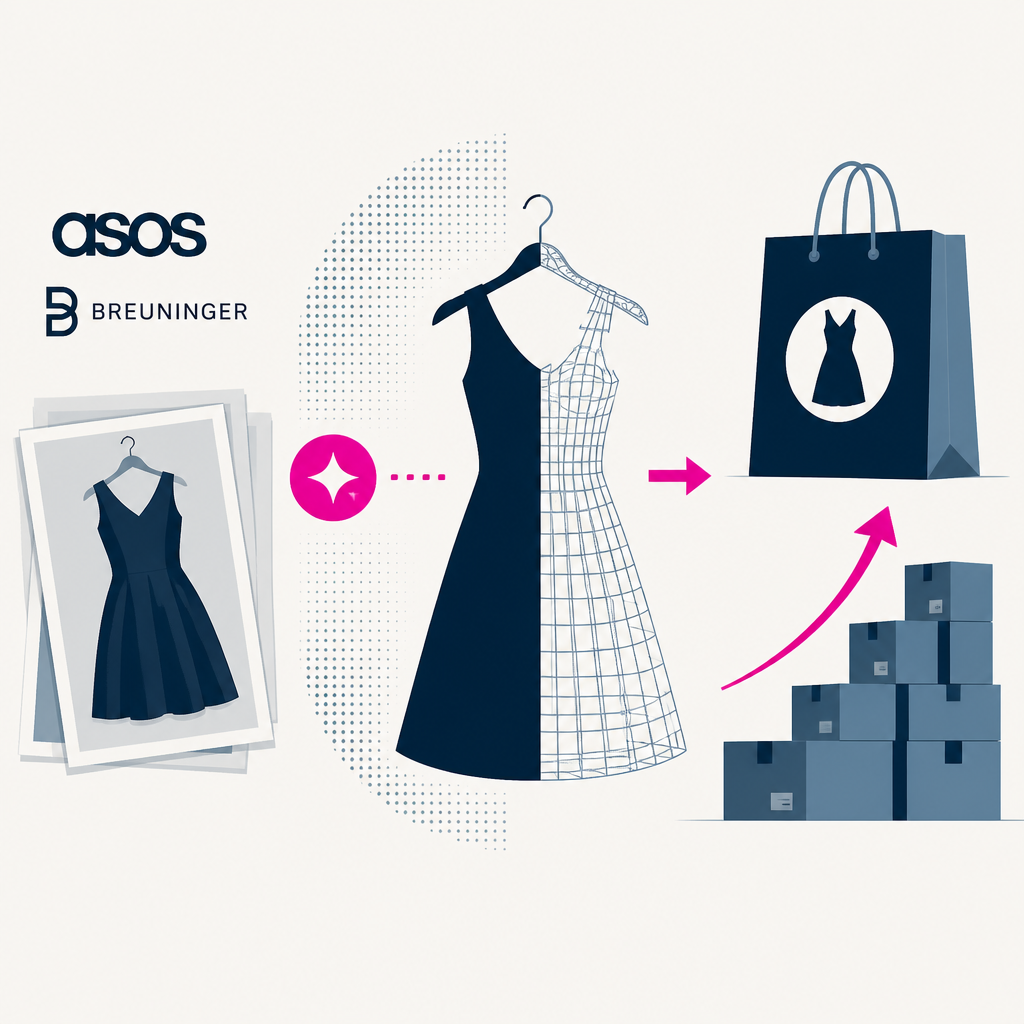
Virtual try-on technology in fashion e-commerce has moved from experimental pilots to live production systems, using generative AI to convert product photos into 3D models without expensive manual pipelines, with retailers like ASOS and Breuninger now offering the feature to drive measurable reductions in return rates. ASOS, Breuninger, and Maybelline have deployed working systems that address a concrete problem: the US fashion industry saw 19.3% of online purchases returned in 2025, with Gen Z averaging eight returns per shopper. This shift from AI experimentation to scaled infrastructure is now spreading across fintech, healthtech, deeptech, and SaaS, where the bar has moved from feature announcements to production systems that affect retention and profitability.
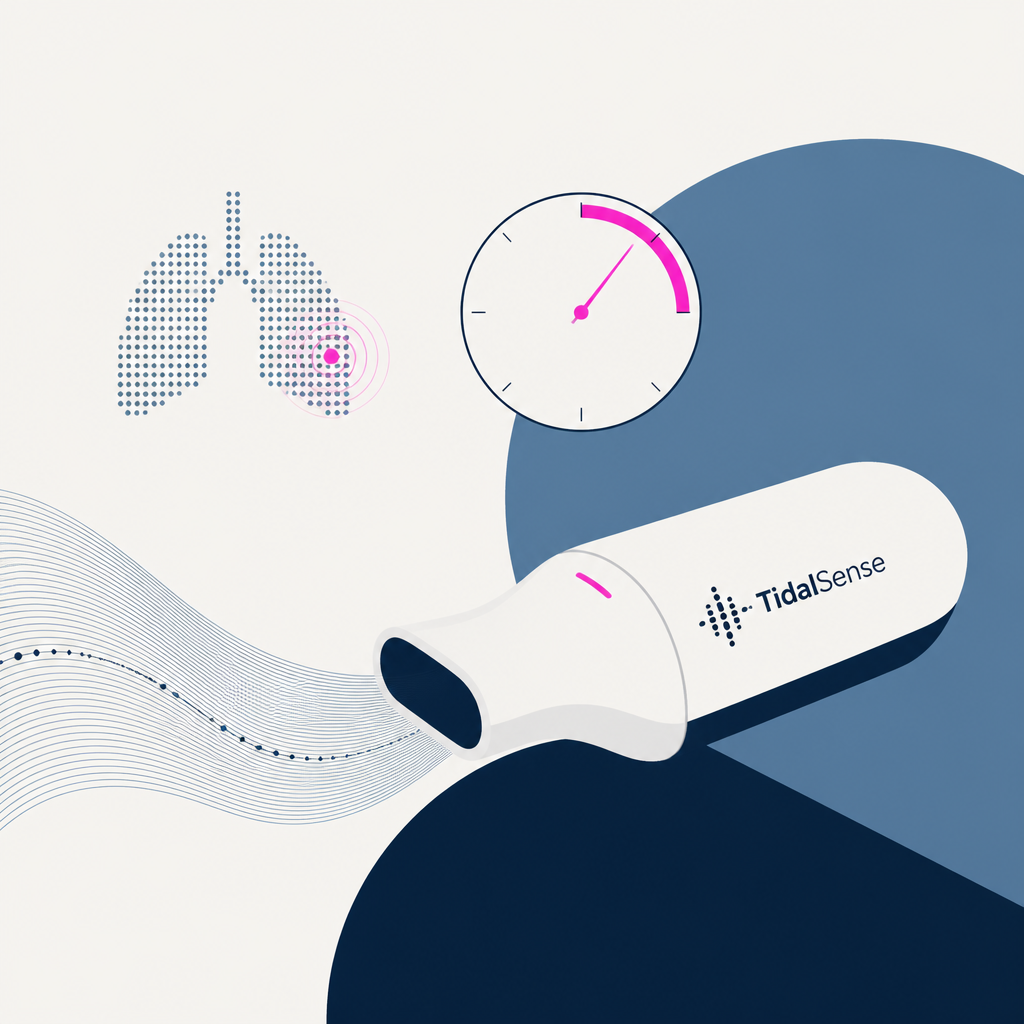
TidalSense, a UK healthtech startup, raised $19 million to expand its AI-powered device that diagnoses COPD by analyzing breathing patterns captured in 75 seconds. The N-Tidal Diagnose test reduces diagnosis time from approximately one hour with traditional spirometry to under five minutes, allowing clinicians to see four to six patients per hour instead of one. The company plans to accelerate rollout across the NHS and Europe and pursue US market entry, leveraging AI models trained on 2.5 million patient breaths.
Every AI story that matters,
in your inbox by 8am.
TLDRocket reads all relevant sources, removes duplicate coverage, and summarises the
day in two minutes. Follow companies and topics for alerts, or get the
briefing in Slack. Free, no spam, unsubscribe anytime.
Reading TLDRocket needs no cookies, and the readership counts we rely on come from
our own cookieless analytics. Google Analytics is the exception: it sets cookies and
reports to Google, so it stays switched off until you allow it. You can change your
mind any time from “Cookie settings” in the footer.
Strictly necessary
Session security and form protection (tldrocket-session,
XSRF-TOKEN, 2 hours). The site cannot work without them,
so they need no consent.
Always on
Google Analytics 4 (_ga,
_ga_<id>, up to 2 years). Measures which
stories and sections readers use. Google acts as a third-party processor and may
store the data outside the EU. No advertising, no profiling, no data sold.